Diabetes is a chronic metabolic condition that affects how the body regulates blood glucose. In modern healthcare, diabetes treatment options have evolved significantly, offering patients more personalized and effective ways to manage their condition. The focus is no longer only on controlling symptoms but also on improving long-term health outcomes and preventing complications through early intervention and continuous care.
In 2026, medical advancements supported by organizations such as NHS and Mayo Clinic emphasize a balanced approach that includes medication, lifestyle improvements, and technology-driven monitoring. These combined strategies allow patients to maintain stable glucose levels while improving overall quality of life and reducing the risk of long-term organ damage.
Understanding Goals of Diabetes Management
The main goal of diabetes treatment options is to maintain blood sugar levels within a safe and stable range. This helps reduce the risk of complications affecting vital organs such as the heart, kidneys, eyes, and nerves. Modern treatment approaches also aim to improve daily energy levels and overall metabolic function through structured care plans designed by healthcare professionals.
Another important goal is achieving and maintaining a healthy HbA1c level, which reflects long-term blood glucose control. Instead of focusing only on daily readings, doctors now evaluate overall trends to adjust treatment strategies. This personalized approach ensures that each patient receives care tailored to their condition, lifestyle, and medical history for better long-term outcomes.
Lifestyle Approaches in Diabetes Care
Lifestyle changes are the foundation of effective diabetes treatment options and play a crucial role in long-term management. A balanced diet rich in fiber, vegetables, lean proteins, and whole grains helps regulate blood sugar levels naturally. Reducing processed foods, sugary drinks, and refined carbohydrates significantly improves insulin sensitivity and overall metabolic health.
Physical activity is equally important in managing diabetes effectively. Regular exercise such as walking, swimming, or cycling helps the body use insulin more efficiently and lowers glucose levels. In addition, stress management, proper sleep, and avoiding smoking or excessive alcohol consumption contribute to stable blood sugar control and reduce the risk of complications.
Medical Treatments and Medication Options

Medication is a key component of diabetes treatment options, especially when lifestyle changes alone are not sufficient. One of the most commonly prescribed drugs is metformin, which helps reduce glucose production in the liver and improves insulin sensitivity. It is often the first-line treatment for Type 2 diabetes due to its effectiveness and safety profile.
Other medication classes include SGLT2 inhibitors, which help the body eliminate excess glucose through urine, and GLP-1 receptor agonists, which assist with appetite control and weight management. In some cases, DPP-4 inhibitors or combination therapies are required to achieve optimal blood sugar control and reduce the risk of long-term complications.
Insulin Therapy and Advanced Glucose Control
Insulin therapy remains one of the most essential diabetes treatment options, particularly for individuals with Type 1 diabetes or advanced Type 2 diabetes. When the body can no longer produce enough insulin naturally, external insulin becomes necessary to regulate blood glucose levels and prevent dangerous fluctuations throughout the day.
Modern insulin delivery methods include pens, pumps, and injections with different action types such as rapid, short, intermediate, and long-acting insulin. Advanced glucose monitoring systems now allow real-time tracking, helping patients and doctors make precise adjustments. This combination of technology and insulin therapy significantly improves safety and treatment effectiveness.
Emerging Technologies and Future Treatments
The future of diabetes treatment options is strongly influenced by technological innovation and ongoing medical research. Continuous glucose monitors (CGMs) and smart insulin pens are now widely used to provide accurate real-time data, helping patients manage their condition more efficiently. These tools reduce guesswork and improve daily decision-making for better blood sugar control.
Researchers are also developing artificial pancreas systems that automatically adjust insulin delivery based on glucose readings. In addition, regenerative medicine and stem cell research are showing promising results for future treatments. These advancements could potentially transform diabetes care and offer more sustainable long-term solutions for patients worldwide.
Complications and Long-Term Health Risks
If not properly managed, diabetes can lead to serious long-term health complications. One of the most significant risks is cardiovascular disease, which remains a leading cause of death among diabetic patients. Poor blood sugar control can also damage blood vessels, increasing the likelihood of stroke, heart attack, and circulation problems.
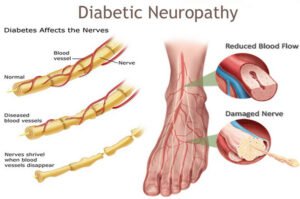
Other complications include kidney disease, nerve damage, and vision loss due to prolonged high glucose levels. Foot infections and slow wound healing are also common. Following structured diabetes treatment options is essential to minimize these risks and maintain overall health through consistent monitoring, medication adherence, and lifestyle control.
Conclusion
Modern diabetes treatment options provide a comprehensive and evolving approach to managing this chronic condition. By combining medication, lifestyle changes, and advanced medical technology, patients can achieve better blood sugar control and significantly reduce the risk of complications. The integration of personalized care ensures that treatment plans are more effective and adaptable to individual needs.
As medical science continues to advance, diabetes management is becoming more precise and accessible. With the support of healthcare professionals and organizations like the NHS and Mayo Clinic, patients now have more tools than ever to manage their condition effectively. Consistency, awareness, and proactive care remain the foundation of long-term diabetes control and improved quality of life.
You may also read: Types of Diabetes Medications and How Timing Works