Blood sugar, also called blood glucose, is the amount of sugar present in your bloodstream at any given time. Your body uses glucose as its primary source of energy, and insulin helps move that glucose into the cells where it is needed. When blood sugar levels become too high or too low, it can affect energy, mood, concentration, and overall health. Over time, uncontrolled blood sugar may lead to serious health complications, including nerve damage, kidney disease, and heart problems.
Learning how to check blood sugar at home gives people greater control over their health and daily routine. Regular monitoring helps identify patterns linked to food choices, exercise, stress, illness, and medication use. Home testing is especially important for people with diabetes or prediabetes, but many health-conscious individuals also monitor glucose levels to better understand how their body responds to different lifestyle habits. Accurate tracking supports early detection of problems and encourages healthier long-term decisions.
Essential Tools Needed for Home Blood Sugar Testing
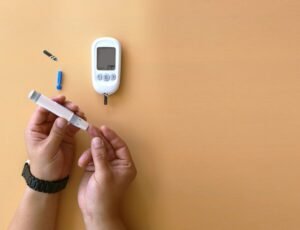
Before learning how to check blood sugar at home, it is important to understand the tools required for accurate testing. The most commonly used device is a blood glucose meter, also known as a glucometer. This portable device analyzes a small drop of blood and provides a reading within seconds. You will also need test strips designed specifically for your meter, along with a lancing device and sterile lancets used to prick the fingertip safely.
Some people prefer continuous glucose monitors, often called CGMs, because they provide real-time readings throughout the day and night. These devices use a small sensor placed under the skin and reduce the need for repeated finger-prick testing. Although many smartphone apps claim they can check blood sugar with a phone camera, these methods are not medically reliable without approved hardware support. Using certified medical devices remains the safest and most accurate way to monitor glucose levels at home.
How to Check Blood Sugar at Home Correctly
The process of how to check blood sugar at home begins with proper preparation. Wash your hands thoroughly using soap and warm water, then dry them completely. Clean hands are essential because food residue, oils, or moisture can affect the reading and lead to inaccurate results. Once your hands are clean, insert a fresh test strip into the glucose meter and prepare the lancing device according to the manufacturer’s instructions.
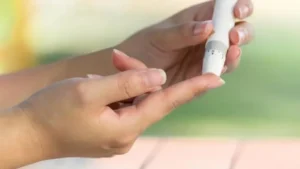
Prick the side of your fingertip rather than the center because it is usually less painful and heals faster. Gently squeeze your finger to produce a small drop of blood and touch the edge of the test strip to the sample. Within a few seconds, the meter will display your blood sugar level. Recording your readings daily can help you identify trends and discuss changes with your healthcare provider. Consistent testing is one of the most effective ways to manage blood sugar safely.
Best Time to Check Blood Sugar for Accurate Readings
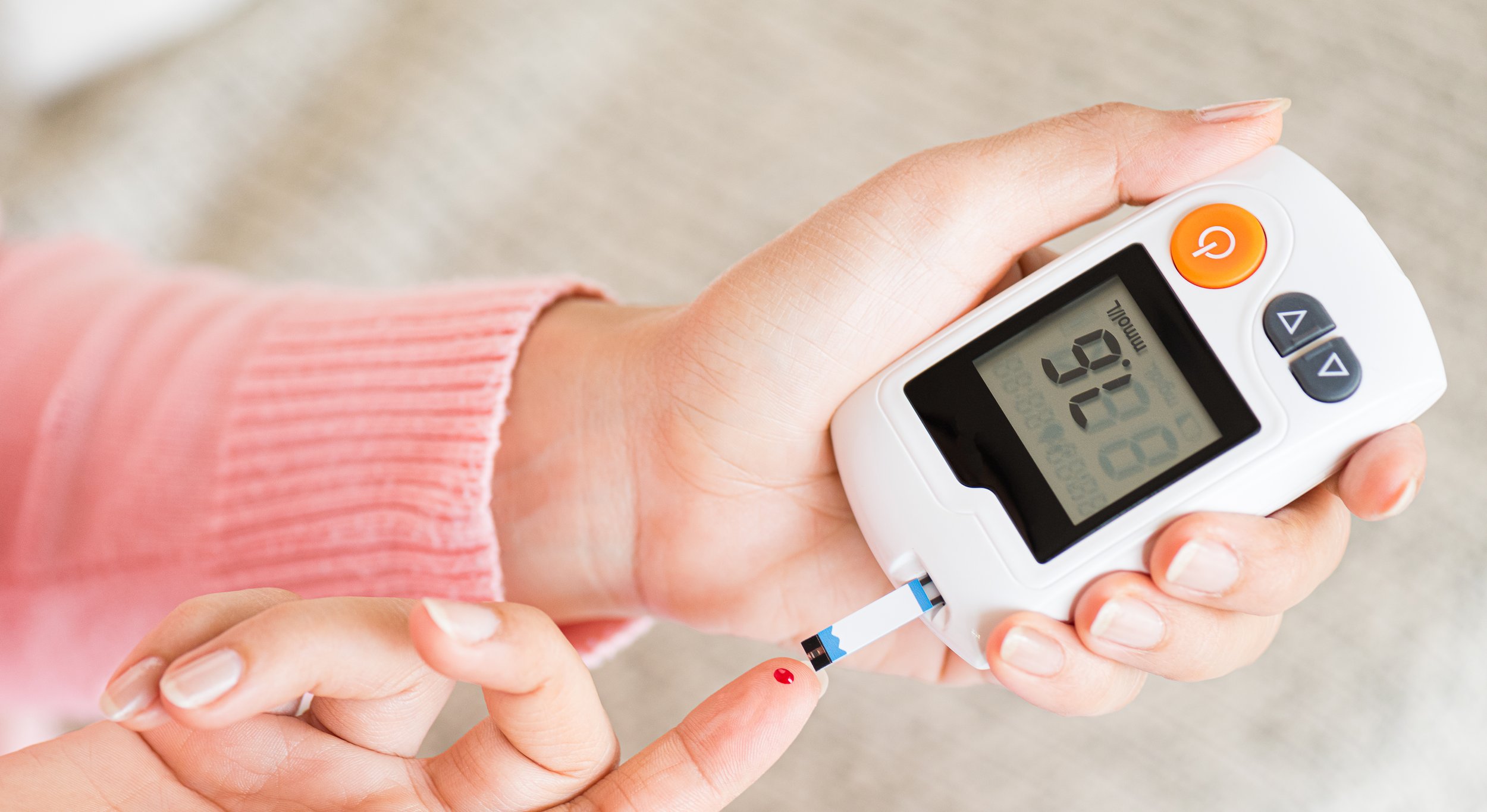
Timing plays an important role when learning how to check blood sugar at home effectively. Many healthcare professionals recommend testing blood sugar first thing in the morning before eating or drinking anything except water. This fasting reading provides insight into how your body manages glucose overnight and can help identify early signs of insulin resistance or diabetes.
People with type 2 diabetes may need to test at several points during the day, including before meals, after meals, before exercise, and before bedtime. Post-meal testing is especially useful because it shows how specific foods affect blood sugar levels. Your doctor may recommend a personalized testing schedule depending on your medication, diet, activity level, and medical history. Testing at consistent times each day helps produce more reliable and meaningful results.
Common Mistakes That Affect Blood Sugar Results
Many people unknowingly make errors while learning how to check blood sugar at home, and these mistakes can lead to inaccurate readings. One of the most common problems is using expired or damaged test strips. Test strips are highly sensitive and may produce unreliable results if they are exposed to heat, humidity, or improper storage conditions. Always check expiration dates and keep strips in their original container with the lid tightly closed.
Another common mistake is testing with dirty or wet hands. Even small traces of sugar from food or beverages can increase the reading significantly. Pressing the finger too hard while squeezing blood may also affect the sample quality. Some people forget to calibrate their device or fail to clean the meter regularly, which can reduce accuracy over time. Paying attention to these details improves testing reliability and helps maintain consistent results.
How Lifestyle Choices Affect Blood Sugar Levels
Lifestyle habits have a major impact on blood glucose levels, which is why monitoring and healthy daily choices should work together. Diet plays one of the biggest roles in blood sugar control. Foods high in refined sugar and processed carbohydrates may cause rapid spikes, while balanced meals containing protein, fiber, and healthy fats can help maintain stable glucose levels throughout the day.
Physical activity also improves the body’s ability to use insulin effectively. Regular exercise helps muscles absorb glucose more efficiently, reducing blood sugar naturally over time. Sleep quality, hydration, and stress management are equally important because stress hormones can increase glucose levels unexpectedly. People searching for how to check blood sugar at home naturally should understand that healthy habits support glucose control, but accurate monitoring still requires reliable medical testing methods.
Understanding What Your Blood Sugar Numbers Mean
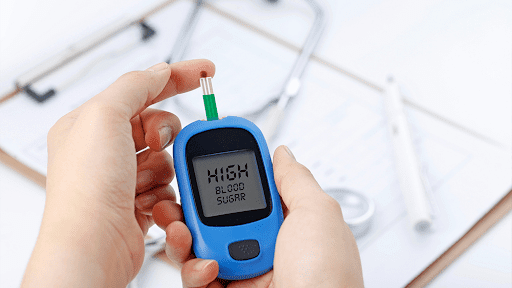
Knowing how to interpret blood sugar readings is just as important as learning how to check blood sugar at home. For most healthy adults, normal fasting blood sugar levels typically range between 70 and 99 mg/dL. Readings above this range may indicate prediabetes or diabetes, while extremely low readings may signal hypoglycemia, which can become dangerous if untreated.
Blood sugar targets can vary depending on age, health condition, medication use, and medical advice. A single unusual reading may not always indicate a serious problem, but repeated abnormal results should never be ignored. Keeping a detailed log of your readings allows healthcare providers to identify trends and adjust treatment plans if necessary. Understanding your numbers gives you greater confidence and helps you make informed health decisions.
Blood Sugar Monitoring and Blood Pressure Awareness
People interested in blood sugar management are often also concerned about blood pressure because both conditions are closely linked to overall cardiovascular health. Diabetes and high blood pressure frequently occur together, increasing the risk of heart disease and stroke. Monitoring both regularly provides a more complete picture of your health and allows earlier intervention when needed.
Learning how to check blood pressure at home can be useful alongside blood sugar monitoring. A digital blood pressure monitor is easy to use and provides fast readings when used correctly. The best time to check blood pressure is usually while sitting calmly and relaxed. Following NHS guidance for home monitoring can improve accuracy and help track long-term changes in heart health. Combining both habits supports a more proactive approach to wellness.
Tips to Improve Long-Term Blood Sugar Control
Successful blood sugar management depends on consistency, awareness, and healthy routines. Creating a regular testing schedule helps you understand how your body reacts to meals, exercise, stress, and medication changes. Many people find it helpful to test at the same times every day because consistent timing makes patterns easier to identify and compare over time.
Maintaining a healthy diet, staying physically active, drinking enough water, and managing stress can improve glucose control naturally. It is also important to attend regular medical checkups and complete recommended health check blood tests such as the HbA1c test. These broader evaluations provide a long-term view of blood sugar management and help doctors recommend adjustments when necessary. Combining healthy habits with accurate home testing creates a strong foundation for better overall health.
Conclusion
Understanding how to check blood sugar at home is an important step toward improving health awareness and preventing complications linked to diabetes and unstable glucose levels. Home monitoring allows individuals to make informed choices about nutrition, exercise, medication, and daily habits while giving healthcare providers useful information for ongoing treatment decisions.
By using reliable testing equipment, following proper testing techniques, and maintaining a healthy lifestyle, you can monitor blood sugar safely and confidently. Consistent testing combined with regular medical advice supports long-term wellness and helps reduce the risk of future health problems. Accurate home monitoring is not just about numbers on a screen—it is about building healthier habits and protecting your overall quality of life.
You may also read: Fewer Finger Pricks and Greater Daily Comfort