
Trapped wind is one of those problems that is both extremely common and strangely embarrassing to talk about, even though almost everyone experiences it and it usually means nothing more serious than a digestive system doing its normal job a little too enthusiastically. If you are wondering how to get rid of trapped wind, the good news is that most episodes settle on their own or with simple steps you can take at home, and this guide explains what trapped wind actually is, how to ease it quickly when it strikes, which foods and habits make it worse, what pharmacy remedies can help, and, just as importantly, when trapped wind is a sign that you should see your GP rather than trying another home remedy. This article is general information only and is not a substitute for medical advice, so if your symptoms worry you, are persistent, or come with other symptoms, seek medical advice rather than self-diagnosing.
The key idea to hold on to is that wind itself is normal: your gut produces gas every day as bacteria in the large bowel break down food, much of it is reabsorbed into the bloodstream and breathed out, and only a portion leaves the body as wind. Trapped wind becomes uncomfortable when that gas builds up faster than it can escape, stretching the bowel and causing pain, bloating, burping, gurgling, and that full, tight feeling in your tummy. Understanding that build-up is the first step to relieving it, because the fixes that work best are the ones that either help the gas escape, reduce how much gas is produced in the first place, or calm the gut spasms that make trapped gas feel so painful.
What Is Trapped Wind and Why Does It Happen?
Trapped wind is gas that has built up in your digestive system without being released, either by burping from the stomach or by passing wind from the bowel, and it can cause stomach pain and cramps, a bloated tummy, burping, flatulence, and gurgling noises from the stomach. The gas comes from two main sources: air that you swallow while eating, drinking, talking, chewing gum, or smoking, and gas produced by bacteria in the large bowel as they ferment food residues that were not fully digested higher up in the gut. NHS hospital guidance notes that the body produces around twenty-five litres of gas per day, mostly through bacterial action in the colon, of which much is reabsorbed and only around one to two litres is expelled as wind, which shows how much gas your gut handles quietly on an ordinary day without you noticing.
Certain foods and conditions make trapped wind more likely, and recognising your own triggers is often more useful than following a generic list of forbidden foods. Foods high in non-absorbable carbohydrate, such as beans, lentils, pulses, broccoli, cabbage, cauliflower, Brussels sprouts, onions, apples, pears, prunes, and artichokes, are fermented by gut bacteria and therefore produce more gas, as do fizzy drinks, beer, fruit juice in large amounts, and artificial sweeteners such as sorbitol, mannitol, and xylitol, which can also have a laxative effect. Medical conditions can increase wind as well, including chronic constipation, irritable bowel syndrome, coeliac disease, and lactose intolerance, and some medicines list wind as a side effect, so if your trapped wind started soon after a new medicine or a big change in diet, that timing is worth mentioning to your GP or pharmacist rather than assuming the cause is simply something you ate. Anyone learning how to get rid of trapped wind should also note that timing, because a medicine-linked cause needs a clinician’s input rather than a dietary fix.
How Can You Get Rid of Trapped Wind Quickly?
If you are wondering how to get rid of trapped wind fast, the quickest wins come from helping the gas move and escape, and gentle movement is one of the most reliable ways to do that, because walking, stretching, and light activity stimulate the digestive system and encourage gas to travel through the bowel rather than sitting in one painful spot. A short walk around the house or the garden, a few gentle yoga poses that fold or twist the abdomen, and simply changing position rather than lying curled up can all help, and many people find that passing a stool, or even just breaking wind once the pressure starts to shift, brings rapid relief from the worst of the pain. The NHS advice on bloating also recommends massaging your stomach from right to left, following the direction of the large bowel, which can help release trapped wind, and combining that massage with slow, deep breathing helps relax the abdominal muscles that tense up around trapped gas.
Warmth and warm drinks are the other classic quick measures, and they work for a straightforward reason: warmth relaxes smooth muscle, including the muscle of the gut wall, which can ease cramping and let gas move more freely. A warm bath, a hot water bottle held against your tummy, or a mug of peppermint, chamomile, or fennel tea sipped slowly after a meal are all commonly recommended, with fennel often singled out as particularly helpful for wind, and the NHS lists peppermint tea among its suggestions for reducing excessive wind. Try going to the toilet even if you do not feel an urgent need, because a bowel movement often allows trapped gas to escape at the same time, and avoid the temptation to suck in your stomach or hold wind in, because holding it in only increases the pressure and the pain, however socially awkward passing wind may feel in the moment.
What Foods and Drinks Make Trapped Wind Worse?
If you get trapped wind often, food and drink are the first place to look, because what you eat and how you eat it together determine how much gas your gut bacteria produce and how much air you swallow along the way. The biggest culprits are foods that are difficult to digest and therefore reach the large bowel still largely intact, where bacteria ferment them into gas, and the usual list includes beans, lentils, cabbage, broccoli, cauliflower, Brussels sprouts, onions, and large amounts of bran or wholegrains eaten on their own. Fizzy drinks, including beer and carbonated water, add gas directly, fruit juice in large quantities adds fermentable sugars, and artificial sweeteners such as sorbitol, mannitol, maltitol, xylitol, and erythritol, found in sugar-free sweets, mints, chewing gum, and some chewable vitamins, are poorly absorbed and can increase wind as well as loosen the bowel.
How you eat matters as much as what you eat, and the NHS advice here is consistent across its bloating and flatulence pages: eat smaller, more frequent meals instead of large ones, chew food slowly with your mouth closed, drink or chew slowly rather than gulping, and avoid eating on the run, because rushing and gulping both increase swallowed air. Keeping a food and symptom diary for a week or two is the most practical way to identify your personal triggers, because tolerance varies enormously from person to person, and a food that troubles one person may be perfectly fine for another. Note the time you ate, what you ate, and when symptoms appeared, and look for patterns rather than cutting out whole food groups at once, because unnecessarily restrictive diets can cause other problems, and if you suspect a condition such as coeliac disease or lactose intolerance, speak to your GP about testing before you remove gluten or dairy from your diet.
What Daily Habits Help Prevent Trapped Wind?
Preventing trapped wind — and learning how to get rid of trapped wind when it still happens — is mostly about small daily habits that reduce both gas production and swallowed air, and the most effective of them is regular exercise, because the NHS recommends exercise to improve digestion and help prevent bloating, and adults are generally advised to be active every day. You do not need intense workouts for this benefit: a daily walk, cycling, swimming, or any activity you enjoy will help keep the bowel moving, and regular activity also reduces stress, which matters because stress and anxiety change gut motility and can make people swallow more air without realising it. Eating at similar times each day, avoiding skipped meals, and taking time over meals rather than eating at your desk or in the car all support steadier digestion, and drinking plenty of water helps prevent constipation, which is itself a common cause of trapped wind.
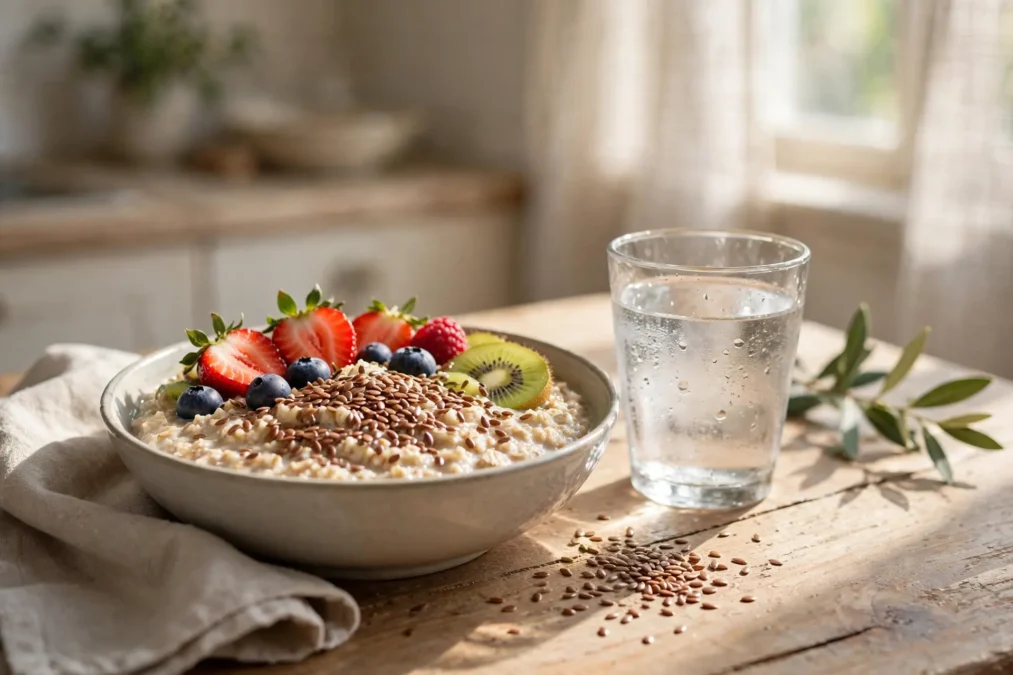
Other habits worth adopting include not chewing gum and not smoking, both of which increase swallowed air, not drinking through straws, which adds air with every sip, and making sure dentures fit well if you wear them, because loose dentures cause extra air swallowing during eating and talking. If you are constipated, increasing soluble fibre gradually, for example oats or linseeds up to about a tablespoon a day, can help, but increase fibre slowly and with plenty of water, because a sudden large increase in fibre can temporarily make wind worse before it makes things better. Cutting down on alcohol and caffeine, limiting fizzy drinks, and keeping portions moderate rather than very large are all habits that reduce the load on your gut, and together they often reduce trapped wind more reliably than any single remedy taken after the problem has already started.
What Pharmacy Remedies Can Help With Trapped Wind?
When self-help measures are not enough and you still need to know how to get rid of trapped wind, your pharmacist can advise on over-the-counter remedies, and the NHS advice on farting and flatulence specifically suggests speaking to a pharmacist about excessive or smelly wind, because they can tell you what may help and whether you should see your GP instead. Simeticone is the best-known pharmacy remedy for wind: it works by breaking up gas bubbles in the gut into smaller ones that are easier to pass, and it is available on its own or combined with loperamide for wind associated with diarrhoea, although it does not reduce the amount of gas your gut produces. Charcoal tablets are another option that absorb gases in the digestive system and are sometimes used for trapped wind pain, while charcoal pads worn in underwear absorb odour rather than relieving pain, which suits people whose main problem is smell rather than discomfort.
Other pharmacy options target the cramping and bloating that come with trapped wind rather than the gas itself, and these include antispasmodics such as mebeverine or hyoscine, which relax the smooth muscle of the gut and reduce abdominal cramps, and peppermint oil capsules taken before meals, which have been shown to reduce bloating and cramps but are unsuitable if you suffer with acid reflux. Enzyme products containing alpha-galactosidase help break down complex carbohydrates before gut bacteria can ferment them, which can reduce gas after bean and vegetable-heavy meals, and probiotic drinks and supplements aim to support friendly gut bacteria, although NHS hospital guidance notes that responses to probiotics are variable and the evidence is mixed. Do not stop or change any prescribed medicine because of wind without speaking to your GP first, because some medicines cause wind as a side effect and stopping them suddenly can be harmful, and always check with a pharmacist whether an over-the-counter remedy suits your other conditions and medicines.
When Should You See Your GP About Trapped Wind?
Most trapped wind is harmless and settles with self-help, but there are situations where medical advice is the right next step, and knowing them in advance means you will not waste weeks trying remedies for a problem that needs investigation. The NHS advises seeing your GP if farting or bloating is affecting your life and self-help and pharmacy treatments have not worked, if you have a stomach ache or bloating that will not go away or keeps coming back, or if you are worried about your symptoms for any reason, because persistent symptoms can occasionally point to irritable bowel syndrome, coeliac disease, lactose intolerance, or another gut condition that needs diagnosis and proper management. Do not try to self-diagnose from a list of possible conditions, because the symptoms overlap heavily and only proper assessment, which may include blood tests or referral, can distinguish between them.
Seek urgent medical advice more quickly, through your GP, NHS 111, or emergency services as appropriate, if trapped wind comes with symptoms that are not typical for simple wind, such as blood in your poo, unintentional weight loss, a persistent change in bowel habit, severe or worsening abdominal pain, vomiting, a fever, or an inability to pee, poo, or pass wind at all. Those features can indicate something that needs prompt assessment rather than home remedies, and the NHS bloating page lists being unable to pee, poo, or fart among the symptoms that warrant urgent advice. This article is general information only: if you are ever unsure whether your symptoms are just trapped wind, it is always better to ask a pharmacist, your GP, or NHS 111 than to assume, because a short conversation can rule out the serious causes and give you a clear plan for the simple ones.
Conclusion
Learning how to get rid of trapped wind is mostly about understanding a normal bodily process and giving it a little help: gentle movement and warmth to let gas escape, slower eating and smaller meals to reduce swallowed air, a food diary to identify your personal triggers, and, when needed, a pharmacy remedy such as simeticone or peppermint oil capsules chosen with a pharmacist’s advice. Most episodes are short-lived and harmless, and the combination of daily habits described here — regular exercise, plenty of water, moderate portions, fewer fizzy drinks and sweeteners, and no gum or smoking — prevents more episodes than any single quick fix taken after the pain has started. Keeping your diet varied and balanced matters too, because cutting out whole food groups without advice can do more harm than good, and tolerance for windy foods varies so much from person to person that your own diary is a better guide than any generic banned list.
If trapped wind keeps coming back, starts affecting your daily life, or arrives with symptoms such as persistent pain, blood in your poo, weight loss, or a lasting change in bowel habit, stop trying home remedies and speak to your GP, because those patterns deserve proper assessment rather than another week of guesswork. For everyone else, the reassuring truth is that trapped wind is common, usually simple, and usually manageable, and a few consistent habits plus the quick-relief steps in this guide will deal with most episodes before they spoil your day. This article is general information only and is not a substitute for medical advice, so when in doubt, ask a pharmacist, your GP, or NHS 111, and get the reassurance and the plan that fit your own situation.
Frequently Asked Questions
What is the fastest way to get rid of trapped wind?
The fastest relief for trapped wind usually comes from helping the gas move and escape, and gentle movement is the most reliable starting point: a short walk, a change of position, or gentle yoga poses that fold or twist the abdomen can encourage gas to travel through the bowel rather than sitting in one painful spot. Warmth also helps, because a warm bath, a hot water bottle on your tummy, or a mug of peppermint, fennel, or chamomile tea sipped slowly can relax gut muscle and ease cramping, and the NHS suggests massaging your stomach from right to left, following the direction of the large bowel. Try going to the toilet as well, because a bowel movement often lets trapped gas escape at the same time, and avoid holding wind in, since that only increases pressure and pain.
What foods should I avoid for trapped wind?
Foods most likely to worsen trapped wind are those that gut bacteria ferment into gas, including beans, lentils, pulses, cabbage, broccoli, cauliflower, Brussels sprouts, onions, apples, pears, prunes, and artichokes, along with fizzy drinks, beer, large amounts of fruit juice, and artificial sweeteners such as sorbitol, mannitol, and xylitol found in sugar-free sweets and gum. Rather than cutting out whole food groups at once, keep a food and symptom diary for a week or two to identify your personal triggers, because tolerance varies greatly between people and unnecessarily restrictive diets can cause other problems. Eat smaller, more frequent meals, chew slowly with your mouth closed, and avoid gulping food or drink, because rushing increases swallowed air as well as the amount of undigested food reaching your large bowel.
Does peppermint tea help trapped wind?
Peppermint tea is one of the remedies the NHS lists for reducing excessive wind, and peppermint oil capsules taken before meals have been shown to reduce bloating and abdominal cramps, because peppermint relaxes smooth muscle in the gut and can ease the spasms that make trapped gas painful. Sipping peppermint, chamomile, or fennel tea slowly after a meal is a gentle, low-risk option for most people, with fennel often singled out as particularly helpful for wind, although peppermint oil capsules are unsuitable if you suffer with acid reflux, because they can worsen heartburn. If herbal teas and self-help measures do not help, or if wind is affecting your daily life, speak to a pharmacist about other options such as simeticone, or to your GP about whether an underlying condition needs investigating.
Can trapped wind be a sign of something serious?
Most trapped wind is harmless and caused by diet, swallowed air, or a sluggish bowel, but persistent or recurring wind can occasionally be a sign of an underlying condition such as irritable bowel syndrome, coeliac disease, lactose intolerance, or chronic constipation, which is why the NHS advises seeing your GP if symptoms affect your life, will not go away, or keep coming back. Seek urgent advice through your GP, NHS 111, or emergency services if wind comes with blood in your poo, unintentional weight loss, a persistent change in bowel habit, severe or worsening pain, vomiting, fever, or an inability to pee, poo, or pass wind at all. Do not try to self-diagnose from symptom lists, because gut conditions share many symptoms and only proper assessment can distinguish between them safely.
How can I prevent trapped wind?
Preventing trapped wind is mostly about daily habits: exercise regularly to keep the bowel moving, eat smaller meals more often, chew slowly with your mouth closed, drink plenty of water, and avoid skipping meals, because steady digestion produces less trapped gas than large, rushed meals. Limit fizzy drinks, alcohol, and caffeine, cut down on artificial sweeteners and sugar-free gum, do not smoke, and avoid drinking through straws, since all of these increase either gas production or swallowed air. If you are constipated, increasing soluble fibre gradually with foods such as oats or linseeds, together with enough water, can help, but raise fibre slowly, because a sudden large increase can temporarily make wind worse before it improves. That routine is the practical answer to how to get rid of trapped wind for good, rather than just easing one episode.