Diabetes is one of the fastest-growing health conditions worldwide, affecting millions of people across different age groups. The condition develops when the body cannot properly regulate blood sugar levels because of problems related to insulin production or insulin resistance. Over time, uncontrolled blood sugar can damage the heart, kidneys, eyes, blood vessels, and nervous system. Learning how to prevent diabetes naturally is important because prevention is often easier and more effective than long-term treatment after complications begin to appear.
Many people associate diabetes only with sugar consumption, but the reality is far more complex. Lifestyle habits, physical inactivity, obesity, stress, sleep quality, and genetics all influence diabetes risk. Type 2 diabetes is the most common form and is strongly linked to daily habits and metabolic health. Unlike type 1 diabetes, which is an autoimmune condition, type 2 diabetes can often be delayed or prevented through healthier lifestyle choices. This is why early awareness and education play a major role in reducing future health problems.
Recognizing Diabetes Symptoms Early
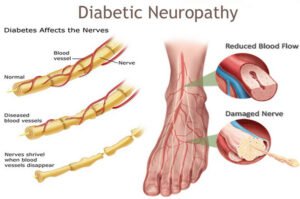
Understanding diabetes symptoms at an early stage can help individuals seek medical attention before the condition worsens. Common signs of diabetes include excessive thirst, constant hunger, fatigue, frequent urination, blurry vision, and slow healing cuts or wounds. Some people also experience numbness in the hands or feet because high blood sugar levels may affect nerve function over time. These warning signs are sometimes ignored because they develop gradually and may appear harmless in the beginning.
Type 2 diabetes symptoms often progress slowly, making the condition difficult to detect without regular health screenings. In contrast, type 1 diabetes symptoms can appear suddenly and become severe within a short period. People with pre diabetes may not notice obvious symptoms at all, which is why routine diabetes tests are essential for those with risk factors such as obesity, family history, or high blood pressure. Detecting early signs gives individuals a valuable opportunity to prevent diabetes naturally before long-term complications develop.
The Difference Between Type 1 and Type 2 Diabetes
Type 1 diabetes occurs when the immune system mistakenly attacks insulin-producing cells in the pancreas. As a result, the body cannot produce enough insulin to regulate blood sugar levels. This condition often develops during childhood or adolescence, although adults can also be affected. People with type 1 diabetes usually require lifelong insulin therapy because the body can no longer manage glucose naturally.
Type 2 diabetes develops differently and is usually connected to insulin resistance. In this condition, the body still produces insulin, but cells do not respond effectively to it. Over time, blood sugar levels rise and place strain on multiple organs. Type 2 diabetes is closely associated with excess body weight, unhealthy eating patterns, inactivity, and chronic stress. Fortunately, many individuals can prevent diabetes naturally by improving these lifestyle factors before the condition progresses into a serious health issue.
Healthy Eating Habits That Support Blood Sugar Control

A balanced diet plays a central role in diabetes prevention and long-term metabolic health. Foods rich in fiber, vitamins, minerals, and healthy fats help stabilize blood sugar levels and improve insulin sensitivity. Whole grains, vegetables, fruits, beans, seeds, and lean proteins provide steady energy without causing sudden glucose spikes. Eating nutrient-dense meals regularly also helps control appetite and reduces cravings for processed foods and sugary snacks.
Highly processed foods, sugary drinks, refined carbohydrates, and excessive fast food consumption can increase the risk of insulin resistance. These foods digest quickly and may lead to sharp increases in blood sugar levels. People who want to prevent diabetes naturally should focus on creating balanced meals that include protein, healthy fats, and slow-digesting carbohydrates. Drinking water instead of sugary beverages and reducing unnecessary sugar intake can significantly improve overall blood sugar control.
The Importance of Exercise in Diabetes Prevention
Regular physical activity is one of the most effective natural ways to improve insulin sensitivity and reduce the risk of type 2 diabetes. Exercise helps the muscles use glucose more efficiently, allowing the body to maintain healthier blood sugar levels. Activities such as walking, swimming, cycling, yoga, and strength training support cardiovascular health while also helping with weight management and stress reduction.
Many health experts recommend at least 150 minutes of moderate exercise every week for long-term health benefits. However, even small amounts of movement throughout the day can make a meaningful difference. Taking short walks after meals, stretching regularly, or using stairs instead of elevators are simple habits that support better glucose control. Individuals who consistently stay active are more likely to prevent diabetes naturally and maintain healthy energy levels over time.
Weight Management and Insulin Resistance
Excess body fat, particularly around the abdominal area, is strongly connected to insulin resistance and type 2 diabetes risk. Fat tissue can interfere with the body’s ability to use insulin effectively, causing glucose to remain in the bloodstream instead of entering cells for energy. Maintaining a healthy body weight can improve insulin sensitivity and reduce pressure on the pancreas, making diabetes prevention more achievable.
Weight management does not require extreme dieting or unrealistic restrictions. Sustainable changes such as portion control, regular movement, mindful eating, and healthier meal choices are often more effective in the long term. Many people trying to prevent diabetes naturally benefit from focusing on gradual progress rather than rapid weight loss. Consistency, patience, and realistic habits create stronger results than short-term diet trends that are difficult to maintain.
How Sleep and Stress Affect Blood Sugar Levels
Sleep quality has a direct impact on hormones that regulate hunger, metabolism, and insulin function. Poor sleep patterns can increase cravings for sugary foods and contribute to weight gain, both of which raise diabetes risk. Chronic sleep deprivation may also reduce insulin sensitivity, making it more difficult for the body to regulate blood sugar effectively. Adults who regularly sleep fewer than the recommended hours are more likely to develop metabolic health problems over time.
Stress also plays an important role in blood sugar regulation because stress hormones can increase glucose levels in the bloodstream. Long-term emotional stress may encourage unhealthy eating habits, inactivity, and disrupted sleep schedules. Relaxation techniques such as meditation, breathing exercises, yoga, and spending time outdoors can support emotional balance and improve overall wellness. Combining stress management with quality sleep can help people prevent diabetes naturally while improving mental and physical health at the same time.
The Importance of Regular Diabetes Testing
Regular medical checkups help identify risk factors before diabetes becomes a serious condition. A diabetes test may include fasting blood sugar measurements, HbA1c testing, and glucose tolerance evaluations. These screenings provide important information about how the body processes sugar and whether lifestyle changes are necessary. Early detection allows people to take preventive action before permanent damage occurs.
Individuals with obesity, family history, gestational diabetes history, or high blood pressure should monitor their blood sugar levels more carefully. Many cases of pre diabetes remain undiagnosed because symptoms are mild or completely absent. Preventive healthcare, combined with healthy lifestyle habits, creates a stronger foundation for long-term wellness. People who actively monitor their health are more likely to prevent diabetes naturally and avoid complications linked to uncontrolled blood sugar levels.
Lifestyle Habits That Reduce Diabetes Risk
Daily habits have a powerful influence on overall metabolic health and energy balance. Staying hydrated, eating meals at consistent times, limiting alcohol intake, and avoiding smoking all contribute to healthier blood sugar regulation. These simple lifestyle adjustments may seem small individually, but together they create a strong defense against insulin resistance and chronic disease development.
Building healthier routines does not require perfection. Long-term success often comes from making realistic improvements that fit naturally into everyday life. People attempting to prevent diabetes naturally should focus on consistency rather than temporary motivation. Healthy routines become easier to maintain when they are enjoyable, practical, and sustainable. Small positive decisions repeated daily can lead to major improvements in physical health and overall quality of life.
Conclusion
Diabetes prevention begins with understanding how lifestyle choices influence blood sugar control and long-term health. Healthy eating, regular exercise, quality sleep, stress management, and routine medical screenings all work together to lower diabetes risk naturally. While genetics and age can influence susceptibility, daily habits remain one of the strongest tools for protecting metabolic health and preventing serious complications in the future.
People who want to prevent diabetes naturally do not need extreme diets or complicated fitness programs to achieve meaningful results. Consistent lifestyle improvements often create the greatest long-term benefits. By focusing on balanced nutrition, regular movement, emotional wellness, and preventive care, individuals can take control of their health and build a stronger foundation for a healthier future.
You may also read: Foods to Include and Avoid in Prediabetes Diet Plan