Introduction
Relationship anxiety is more common than many people realize, yet it is often misunderstood. It manifests as persistent worry, doubt, or fear about your partner’s feelings, commitment, or the stability of your relationship. These worries can affect your emotions, behavior, and even physical health if left unchecked. Recognizing relationship anxiety symptoms early is vital for both your emotional well-being and the health of your relationship. Understanding and addressing these symptoms can lead to stronger, more secure bonds.
Relationship anxiety can appear in new relationships, long-term partnerships, or even marriages. It isn’t limited by age, gender, or experience. While occasional doubt or stress in relationships is normal, ongoing anxiety can interfere with daily life and personal happiness. By exploring the common signs, underlying causes, and practical coping strategies, you can gain insight into your emotional patterns and take proactive steps to build healthier connections. Awareness is the first step toward lasting change.
What is Relationship Anxiety?
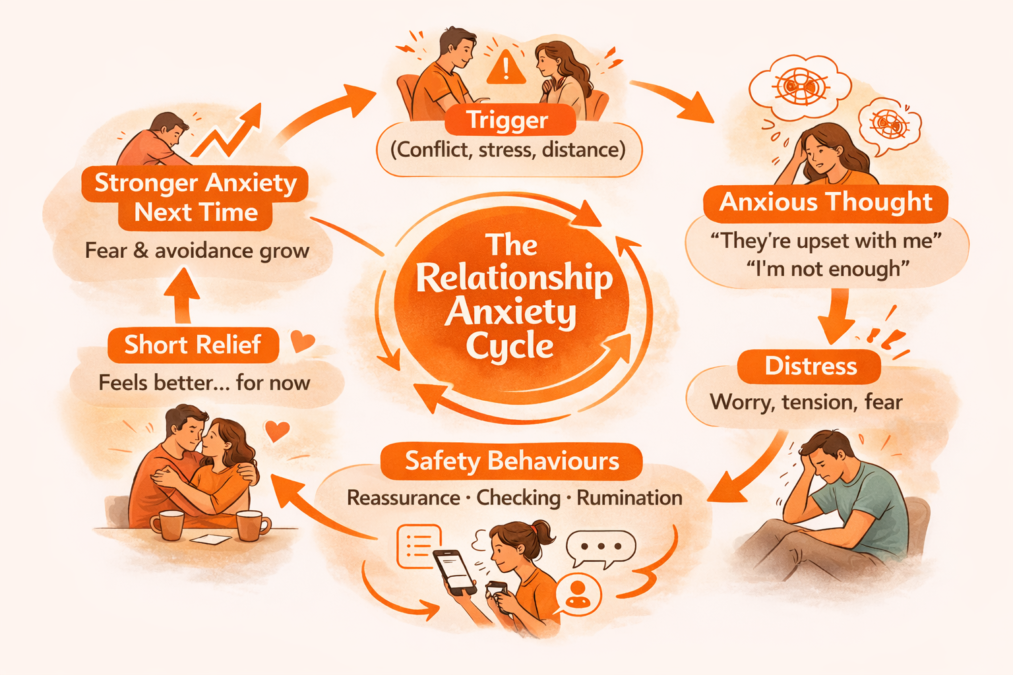
Relationship anxiety refers to the ongoing feeling of insecurity or fear regarding your partner’s love, intentions, or commitment. Unlike occasional worries, this anxiety tends to be persistent, influencing thoughts, behaviors, and decisions. People experiencing this form of anxiety may feel an overwhelming need to control situations, overanalyze their partner’s actions, or constantly seek reassurance. It often creates a cycle of doubt and stress that can gradually erode trust and intimacy.
This type of anxiety is usually rooted in past experiences, attachment patterns, or self-esteem issues. Understanding what relationship anxiety is helps in identifying its triggers and manifestations. When recognized, these patterns can be managed through self-awareness, communication, and support, preventing the anxiety from escalating into a more serious problem. Learning to distinguish normal concern from unhealthy anxiety is a critical step toward emotional stability and relationship growth.
Common Relationship Anxiety Symptoms
Recognizing relationship anxiety symptoms is crucial to addressing them effectively. One of the most common signs is the need for constant reassurance. Individuals may repeatedly ask, “Do you still love me?” or seek validation about their importance in the relationship. This behavior, while understandable, can create strain and frustration for both partners, making mutual communication more challenging.
Another significant symptom is overanalyzing partner communication. People with relationship anxiety often scrutinize texts, tone, or timing of responses, imagining negative interpretations. Persistent doubt and insecurity are also common, as individuals may question their partner’s feelings or fear being replaced. Physical symptoms, such as rapid heartbeat, sleeplessness, or restlessness, often accompany emotional distress, further complicating daily life.
Relationship anxiety can also trigger people-pleasing behaviors or self-silencing, where individuals suppress their own needs to avoid conflict. Self-sabotaging behaviors like creating drama or emotional withdrawal may appear as defense mechanisms. Intense jealousy and possessiveness can emerge, while difficulty staying present may prevent enjoying meaningful moments. These symptoms can collectively interfere with decision-making, social interactions, and overall emotional balance, highlighting the importance of early intervention.
Causes of Relationship Anxiety

Several factors contribute to the development of relationship anxiety. Insecure attachment styles from childhood often influence adult relationships, leading to clinginess, fear of abandonment, or difficulty trusting a partner. Past relationship trauma, such as betrayal or heartbreak, can also leave emotional scars, increasing sensitivity to perceived threats in new partnerships.
Low self-esteem is another major contributor, as individuals who feel unworthy of love or support may constantly doubt their partner’s intentions. Fear of rejection or abandonment can amplify anxious behaviors, while external stressors such as work pressure, financial challenges, or family conflict can worsen underlying anxiety. Understanding these causes allows individuals to address the root issues rather than merely managing the symptoms.
How Relationship Anxiety Affects Your Relationship
Unchecked relationship anxiety can significantly impact both partners. Communication breakdown is a common result, as constant worry and overanalysis create misunderstandings. Minor disagreements may escalate into major conflicts due to heightened sensitivity, further straining the emotional connection.
Emotional distance often develops when one partner withdraws to protect themselves from perceived threats or constant reassurance-seeking becomes overwhelming. Trust issues may emerge, making it difficult for partners to feel secure and confident in the relationship. Recognizing these patterns allows couples to address anxiety proactively, improving emotional intimacy and reducing conflict over time.
Ways to Overcome Relationship Anxiety
Overcoming relationship anxiety requires a combination of self-awareness, practical strategies, and sometimes professional support. Building self-awareness is the first step, as recognizing your triggers and patterns allows for more conscious responses. Journaling, mindfulness, and reflection exercises can help track anxious thoughts and emotional reactions, empowering individuals to respond rather than react.
Healthy communication is equally essential. Expressing feelings openly, calmly, and respectfully reduces misunderstandings and prevents anxiety-driven assumptions. Setting clear boundaries also helps, creating a safe environment where both partners can express themselves without fear of judgment or conflict. Boundaries protect emotional well-being while maintaining connection and trust.
Coping strategies like deep breathing, meditation, or physical activity can reduce stress responses in the moment. Strengthening self-esteem through hobbies, self-care, and personal achievements improves confidence and reduces dependency on external validation. Professional help, such as therapy or counseling, can provide structured guidance. Therapists often use cognitive-behavioral techniques to reframe negative thought patterns, address past traumas, and teach skills for managing anxiety effectively.
When to Seek Professional Help
While mild relationship anxiety is common, persistent or severe symptoms require professional attention. If anxiety consistently disrupts daily life, causes emotional exhaustion, or negatively affects your relationship, consulting a therapist is advisable. Professional guidance provides tools to manage anxiety, address underlying causes, and improve communication skills with partners.
Therapy can also help individuals develop secure attachment patterns, rebuild self-esteem, and reduce the physiological symptoms of anxiety. By seeking help early, individuals can prevent long-term relationship damage and promote emotional stability. Recognizing the need for support is a sign of strength and an essential step toward lasting, healthy relationships.
Conclusion
Relationship anxiety is a normal but manageable experience. Recognizing relationship anxiety symptoms, understanding the underlying causes, and adopting practical coping strategies can significantly improve both personal well-being and relationship quality. By building self-awareness, practicing healthy communication, and seeking professional support when necessary, individuals can overcome anxiety, enjoy secure partnerships, and cultivate lasting emotional intimacy. Awareness and proactive action are key to transforming anxiety into growth and connection.
FAQs
What are the first signs of relationship anxiety?
Early signs include constant reassurance-seeking, overthinking messages, persistent self-doubt, and heightened worry about your partner’s feelings. Recognizing these patterns allows for early intervention and emotional management.
Can relationship anxiety be cured?
Relationship anxiety cannot be completely “cured,” but it can be effectively managed. Awareness, therapy, communication, and self-care strategies reduce symptoms and improve relationship satisfaction.
How does relationship anxiety affect mental health?
Unmanaged anxiety can cause chronic stress, low self-esteem, sleep disturbances, and emotional exhaustion. It may also trigger physical symptoms such as restlessness or rapid heartbeat, impacting overall well-being.
Is it normal to feel anxious in a new relationship?
Some anxiety is normal in new relationships, but persistent fear, obsessive thoughts, or insecurity indicate deeper relationship anxiety that may require attention.
How can I help my partner with relationship anxiety?
Offer reassurance, maintain open communication, encourage healthy boundaries, and support professional help if needed. Understanding, patience, and empathy are key to helping a partner manage anxiety.
Can physical symptoms like rapid heartbeat indicate relationship anxiety?
Yes, physical manifestations such as a racing heart, stomach issues, or restlessness often accompany emotional stress from relationship anxiety.
How long does relationship anxiety last?
The duration varies depending on individual factors, relationship dynamics, and the use of coping strategies or professional support. Persistent anxiety may require long-term management.
You may also read: Proven Techniques to Overcome Social Anxiety