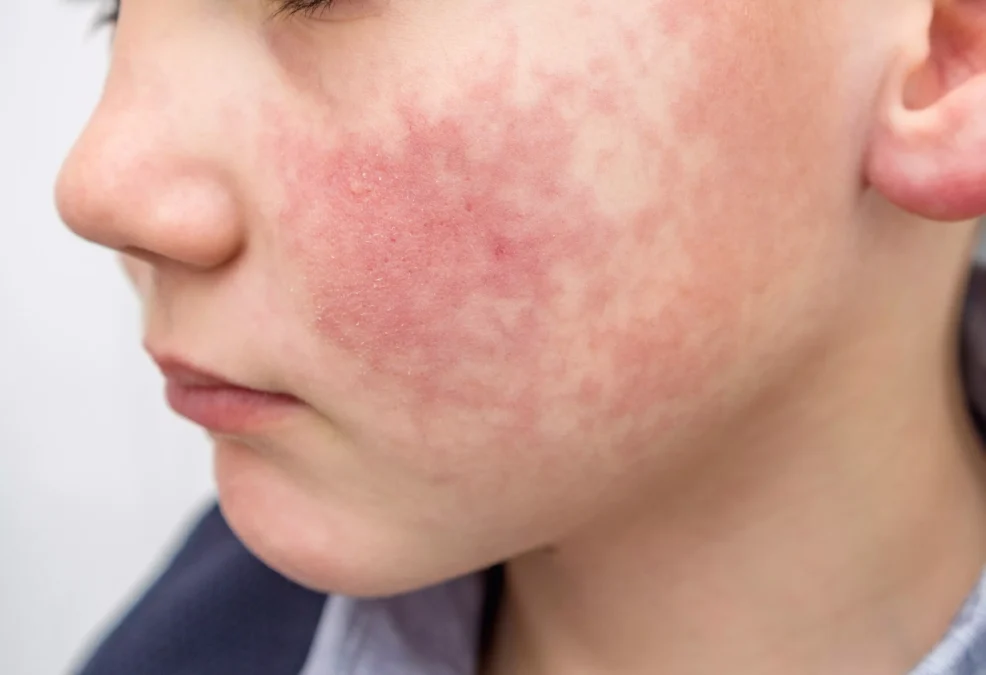
Imagine your child walking through the front door after a busy day at school with bright red, flushed cheeks that look exactly as if they have just been playfully slapped. As a parent, your immediate instinct might be to panic and assume a sudden, severe illness or an intense allergic reaction has taken hold. However, this striking visual marker is usually the hallmark sign of a very common childhood condition that looks much more alarming than it actually is. Medical professionals refer to this viral infection as slapped cheek syndrome, though it is also widely known across the globe as fifth disease, erythema infectiosum, or slapped face syndrome.
This condition is primarily caused by a highly contagious organism called parvovirus B19, which is frequently referred to as the slapped cheek virus. Fortunately, despite its dramatic appearance on the skin, a mild slapped cheek syndrome case is generally harmless and almost always clears up on its own without requiring aggressive medical intervention. Understanding how the virus behaves, recognizing its distinct phases, and knowing how to manage the symptoms at home can provide immense peace of mind to worried families navigating an outbreak. By demystifying the illness, we can ensure that patients receive the right care while preventing unnecessary stress over a standard childhood rite of passage.
Recognizing the Signs and Slapped Cheek Syndrome Symptoms
Long before the unmistakable facial markings appear to reveal the true culprit, the virus quietly takes hold with a wave of subtle, early warnings during its incubation period. Your child might experience a cluster of mild, flu-like slapped cheek symptoms including a low-grade fever, a runny nose, a sore throat, and minor headaches that cause general malaise. Because these initial symptoms perfectly mimic a standard common cold or seasonal allergies, the true identity of the illness usually remains completely unsuspected at this stage. Parents often simply administer standard home care, assuming their little one is just fighting off a routine, minor winter bug.
The defining moment of the illness arrives a few days later when the signature bright red slapped cheek rash rapidly blooms across both cheeks. This vibrant facial flushing typically lasts for one to three days, giving the distinct impression of a recent physical slap while leaving the skin around the mouth notably pale. As the facial redness begins to fade, a secondary, faint, lacy pink slapped cheek rash on body areas like the arms, legs, and torso can emerge. This secondary stage can be intensely itchy and characteristically comes and goes for several weeks, often flaring back into view whenever the skin becomes warm from a bath, exercise, or direct sunlight.
Diagnosis Dilemma: Scarlet Fever Rash vs. Slapped Cheek
When a sudden red rash appears across a child’s skin, parents often find themselves stressing over whether they are dealing with slapped cheek or scarlet fever. Both conditions are notorious for causing widespread redness, mimicking each other in the early stages, and driving school-wide childhood outbreaks, making it remarkably easy to mistake one for the other if you do not know exactly what unique physical characteristics to look for. Because scarlet fever requires swift antibiotic intervention to prevent deeper systemic complications, learning to distinguish between these two rash-causing illnesses is an essential skill for parents and caregivers alike.
Fortunately, a few clear differences can help you tell them apart with confidence before you even visit a clinic. While the body rash in slapped cheek syndrome is smooth, flat, and develops a distinctively web-like or lacy pattern, a scarlet fever rash feels distinctively rough to the touch, closely resembling coarse sandpaper. Furthermore, scarlet fever is a bacterial strep infection that leaves children feeling significantly sicker, often accompanied by a severe sore throat, high fever, and a bright red “strawberry tongue.” In contrast, children with parvovirus B19 usually feel relatively energetic and cheerful once their facial rash finally emerges.
Is Slapped Cheek Contagious? The Transmission Window
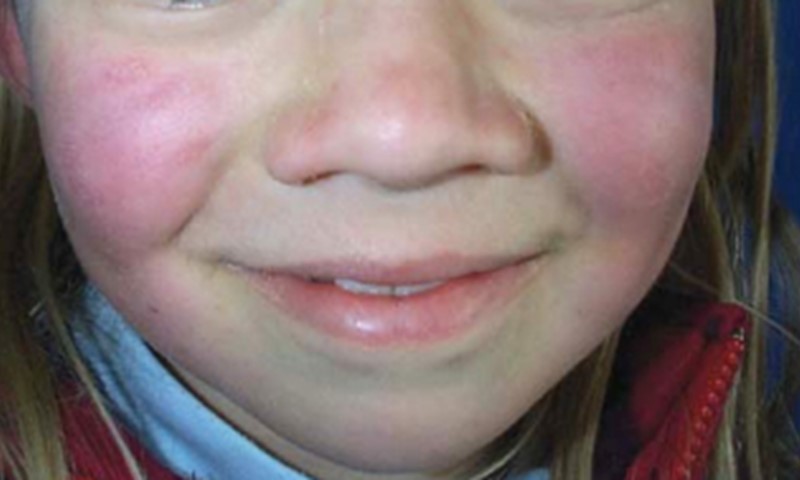
One of the most deeply misunderstood aspects of this viral illness is its unique timeline of contagion, which frequently leads to unnecessary school absences. Many parents ask the urgent question: is slapped cheek contagious once the bright red spots completely cover a child’s face? The medical irony of this specific virus is that an individual is actually only contagious before the signature facial rash ever makes its appearance. The early, cold-like phase is when the virus actively replicates and spreads through respiratory droplets when coughing, sneezing, or sharing utensils.
By the time the vivid red markings bloom across the skin, the patient’s immune system has already successfully fought off the active viral replication stage, rendering them completely non-infectious. Following standard NHS slapped cheek guidelines, children do not need to be isolated at home or kept away from their peers once the rash shows up. They are perfectly safe to return to school, daycare, or sports activities, provided they feel well enough physically to participate. Keeping a child home at this point offers zero protective benefit to classmates, as the invisible exposure has already occurred weeks prior.
Slapped Cheek in Adults: Can Adults Get Slapped Cheek?
While it is predominantly known as a childhood illness that sweeps through elementary classrooms, many worried parents and teachers wonder: can adults get slapped cheek too? The short answer is yes, adults can absolutely contract the virus if they managed to escape exposure during their own childhood years. However, because a vast majority of the global population develops lifelong immunity early on due to asymptomatic childhood infections, adult cases are significantly less frequent and usually occur in parents with young kids.
When slapped cheek syndrome in adults does manifest, it often presents a completely different and more uncomfortable clinical picture than it does in children. Adults rarely develop the classic, bright red facial flushing that gives the disease its famous name; instead, they are much more likely to experience acute joint pain and stiffness, a condition known as polyarthropathy. This joint discomfort primarily targets the wrists, hands, knees, and ankles, occasionally becoming severe enough to mimic sudden-onset rheumatoid arthritis for several weeks, or even months, before completely resolving without permanent damage.
High-Risk Groups and Slapped Cheek Pregnancy Concerns
While the virus is a minor nuisance for the average person, it warrants extra vigilance and swift communication for specific vulnerable groups within our communities, particularly regarding slapped cheek pregnancy exposure. If a pregnant woman contracts parvovirus B19 for the very first time during her pregnancy, the virus can potentially cross the placenta and disrupt the developing baby’s fragile circulatory system. Specifically, the virus targets the fetus’s rapidly dividing red blood cells, which can impair their ability to transport oxygen effectively throughout their developing body.
Though the absolute risk of severe complications remains statistically low, a maternal infection can occasionally lead to fetal anemia, heart failure, or miscarriage, particularly if contracted during the first twenty weeks of pregnancy. If you are pregnant and believe you have been exposed to someone with the virus, or if you develop an unexplained rash or joint pain, you should contact your midwife or doctor immediately. They can organize a simple blood test to check if you already possess protective antibodies or if you require close ultrasound monitoring to ensure the baby remains healthy.
Home Management and Effective Treatment Options
Because slapped cheek disease is caused by a viral pathogen rather than a bacterial one, standard antibiotics are completely ineffective, and there is currently no preventative vaccine or specific antiviral cure available. Instead, clinical management focuses entirely on relieving uncomfortable symptoms, reducing fever, and keeping the patient as relaxed as possible while their immune system naturally clears out the infection over a few weeks. Managing this condition at home is straightforward and centers on classic comfort measures that support the body’s natural healing processes.
To manage the illness effectively at home, prioritize plenty of bed rest and encourage consistent fluid intake, such as water, warm teas, or diluted juices, to prevent dehydration from fevers. Over-the-counter pain relievers like paracetamol or ibuprofen can safely reduce temperatures and soothe lingering joint aches or headaches. Note: Never give aspirin to anyone under the age of 16, as it is directly linked to a rare but severe liver and brain condition called Reye’s syndrome. If the body rash is intensely itchy or uncomfortable, applying soothing calamine lotion or giving child-safe antihistamines can provide welcome relief.
When to Worry: Knowing When to See a Doctor
While standard home care and symptom management are typically all that is required for a smooth recovery, there are a few critical red flags that mean you should seek immediate professional medical attention. Knowing when a mild viral phase shifts into a situation that requires an evaluation can protect vulnerable individuals from developing deeper health complications. Most families will never need to see a doctor for this illness, but being aware of the exceptions ensures safety for everyone in the household.
You should seek prompt medical advice if the affected individual has a severely weakened immune system or a pre-existing chronic blood disorder, such as sickle cell disease or severe hemolytic anemia, as the virus can cause a dangerous drop in red blood cell production known as an aplastic crisis. Additionally, if a child develops an exceptionally high fever that refuses to come down with medication, or if an adult’s joint pain becomes highly debilitating, a professional evaluation is necessary. Pregnant individuals who have been exposed must always reach out to their healthcare provider as a standard precautionary measure.
Conclusion
Ultimately, slapped cheek syndrome is a highly common, self-limiting childhood illness that frequently looks a lot scarier on the skin than it actually behaves inside the body. Understanding that the dramatic facial rash signals the end of the contagious period—rather than the start of a dangerous, infectious phase—can offer immense peace of mind to worried families and school administrators alike. By focusing on simple home comforts, plenty of fluids, and standard rest, your household will typically bounce back to full health within a couple of weeks, armed with lifelong immunity against the virus.
Frequently Asked Questions (FAQs)
How long does slapped cheek syndrome last?
The initial cold-like symptoms usually resolve within a few days. The bright red facial rash typically fades away in one to three days, but the secondary lacy body rash can characteristically come and go for up to three weeks, flashing back into view whenever the skin is exposed to warm baths, exercise, friction, or direct sunlight.
Can you get slapped cheek syndrome twice?
No, you cannot get it twice. Once your body is exposed to parvovirus B19, your immune system generates robust, lifelong antibodies against it. This durable immune response ensures that you are protected against future infections, which is why the condition is far less common in adults than in young children.
What is the incubation period for the slapped cheek virus?
The typical incubation window ranges anywhere from 4 to 14 days after initial exposure to the virus, though it can occasionally take up to 21 days for the very first flu-like symptoms, such as a mild fever or runny nose, to appear on the patient.
Should I keep my child home from school if they have the rash?
No, you do not need to keep them home from school. According to public health institutions like the NHS, by the time the visible skin rash appears, the infectious window has completely closed. Keeping them isolated at this stage will not protect other children around them, so they can return as long as they feel well.
You may also read: Oral Health Benefits of oral b io Electric Toothbrush