Navigating the complex landscape of human emotions can often feel like steering a ship through a chaotic storm, particularly for developing children and overwhelmed adults. The Zones of Regulation framework provides a brilliant, systematic blueprint that translates these abstract internal feelings into a tangible, structured, and highly visual vocabulary. By breaking down various levels of emotional alertness into distinct categories, this cognitive-behavioral approach empowers individuals to actively monitor their mental states rather than blindly reacting to external triggers. It serves as an essential psychological tool that builds deep emotional intelligence, allowing people to recognize their internal shifts well before losing their behavioral control.
This universally acclaimed self-regulation curriculum is heavily utilized by parents, dedicated educators, occupational therapists, and mental health professionals around the globe. Implementing the Zones of Regulation framework equips learners with a lifelong toolkit designed to enhance impulse management, resolve social conflicts seamlessly, and improve daily executive functioning skills. By establishing a shared language between adults and children, it removes the guesswork from emotional meltdowns and replaces confusion with clear, actionable steps toward mental balance. Ultimately, this framework bridges the critical gap between experiencing an intense, gut-level emotional reaction and consciously choosing a healthy, prosocial response that preserves positive relationships.
What Are the 4 Colors of the Framework?
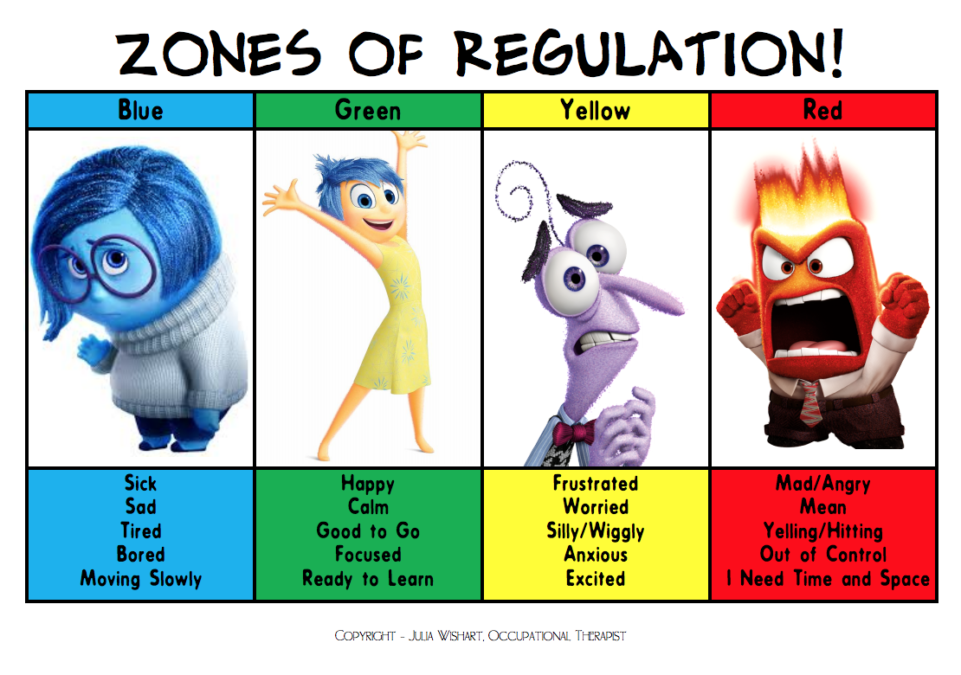
The true genius of the Zones of Regulation lies within its simple, color-coded architecture, which naturally groups complex human feelings into four distinct quadrants. By removing judgmental language such as “good” or “bad” moods, the system successfully eliminates the deep shame and social stigma so often associated with difficult emotional states. Every single color in this framework represents a natural, valid state of physiological alertness and human energy, reinforcing the core educational rule that all feelings are acceptable. When individuals learn to categorize their internal states without self-criticism, they develop a healthier relationship with their psychological well-being.
The Blue Zone represents states of incredibly low alertness and physiological energy, capturing feelings of sadness, exhaustion, physical sickness, boredom, or general mental sluggishness. Conversely, the Green Zone signifies the optimal state for learning, working, and positive socializing, where a person feels happy, completely focused, calm, proud, and emotionally balanced. Moving up the energy scale, the Yellow Zone marks a heightened state of alertness containing elevated feelings like frustration, anxiety, hyper excitement, silliness, or overwhelming nervousness where self-control begins to slip. Finally, the Red Zone is reserved for intensely heightened states of alertness and explosive emotions such as blinding anger, absolute terror, or extreme elation where a person’s behavior feels completely out of control.
Creating an Interactive Display at Home or School
Visual cues serve as an incredibly powerful anchor for human psychology, particularly for young children or neurodivergent individuals who struggle to articulate complex internal feelings with words alone. Designing and displaying a dedicated, vibrant Zones of Regulation display board within a classroom, therapy office, or home environment establishes a reliable physical touchpoint for daily emotional check-ins. This interactive setup normalizes the everyday discussion of mental health, successfully transforming abstract emotional awareness into a visible, highly predictable daily routine. When a physical space is explicitly carved out to honor emotional health, everyone in the environment feels safer and more supported.
To construct a genuinely effective visual display, select a high-visibility, high-traffic location like a classroom bulletin board or a central kitchen wall near the dining area. Use bright, high-contrast graphics that showcase the four colored quadrants paired clearly with expressive emoji faces, cartoon characters, or highly descriptive emotion words. To maximize engagement, incorporate physical, interactive elements such as personalized clothespins, labeled magnets, or velcro name tags that allow children to independently move themselves into their corresponding zone throughout the day. This simple physical movement forces a moment of mindfulness, teaching individuals to pause, reflect internally, and communicate their current state to those around them.
The Practical Regulation Toolbox for Each Zone
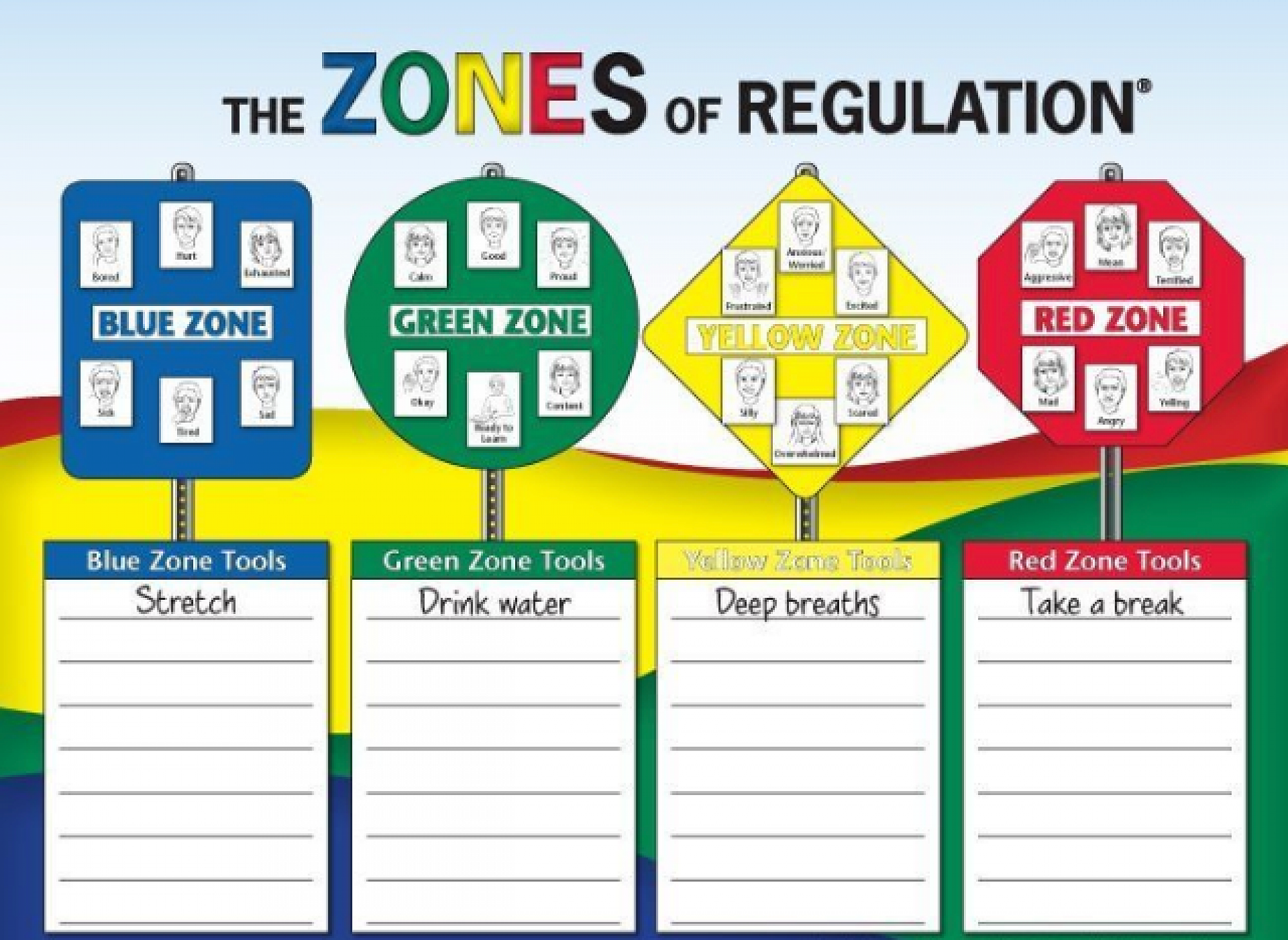
Correctly identifying your current emotional zone is only the first step toward self-mastery; the true transformative power of this framework comes from building a personalized regulation toolbox. A regulation toolbox consists of specific, sensory-informed strategies designed to help an individual smoothly transition from a dysregulated state back into the focused, calm boundaries of the Green Zone. Because everyone possesses a unique neurological makeup, a strategy that calms one person might completely agitate another, making individual customization essential. Through experimentation, users learn to identify exactly which sensory inputs, physical movements, or cognitive shifts help them regain equilibrium.
For the sluggish, low-energy Blue Zone, the personalized toolbox should focus primarily on stimulating the nervous system through actions like deep stretching, taking a brisk walk, drinking ice-cold water, or listening to upbeat music. When navigating the buzzing, unpredictable Yellow Zone, the toolbox shifts toward calming, grounding techniques such as rhythmic box breathing, utilizing sensory fidget widgets, or taking a deliberate five-minute quiet break. When a person crosses the threshold into the volatile Red Zone, the immediate priority becomes physical safety and rapid de-escalation, which is best achieved through deep heavy-work exercises like wall pushes, retreating to a designated quiet sensory tent, or seeking immediate support from a trusted adult.
How to Teach and Implement the System Successfully
Successfully launching the Zones of Regulation system requires the adults in the environment to step up as authentic role models by consistently vocalizing their own emotional states. By intentionally thinking out loud—for instance, saying, “I am stuck in awful traffic right now, and I can feel myself sliding into the Yellow Zone”—you naturally demonstrate real-time emotional tracking in action. Children learn far more by observing how the adults around them navigate everyday stressors and setbacks than they ever will from rigid lectures or punishments. Modeling shows them that emotional shifts are normal and that adults also have to work hard to manage their behaviors.
It is absolutely vital for educators and parents to continuously reinforce the foundational rule that no zone is inherently bad, wrong, or worthy of punishment. It is entirely unrealistic to expect a human being to remain trapped in the Green Zone permanently, as life naturally presents obstacles, disappointments, and physical fatigue. Instead of penalizing a child when they inevitably enter the Red or Yellow zones, compassionate guides should focus on gently directing them toward their personalized toolbox. This supportive approach transforms what could have been a destructive behavioral meltdown into a powerful, collaborative learning moment that strengthens the child’s long-term emotional resilience.
Conclusion and Final Thoughts
Embracing the Zones of Regulation completely transforms behavioral challenges from disciplinary issues into beautiful opportunities for deep psychological learning and human connection. By replacing harsh judgment with a supportive, color-coded emotional vocabulary, we effectively empower individuals to gain true agency over their minds and daily actions. Developing deep emotional maturity is a lifelong journey that certainly does not happen overnight, but consistent engagement with these visual tools builds a rock-solid foundation. With patience, practice, and unconditional support, utilizing this framework paves a clear pathway toward a much happier, balanced, and resilient life for learners of all ages.
Frequently Asked Questions (FAQs)
What is the main goal of the Zones of Regulation?
The primary, overriding goal of this framework is to teach individuals how to independently recognize their internal emotions and physiological levels of alertness across different settings. Once a person accurately identifies their current zone, they can proactively utilize customized behavioral strategies and tools to safely manage their actions, maximize their focus, and navigate social situations appropriately depending on their immediate environment.
Are certain colors or zones considered “bad”?
Absolutely not, as a core tenant of the framework emphasizes that every single color zone is a perfectly natural, healthy, and expected part of the human experience. It is completely normal to experience the Blue Zone when you are sick, or the Yellow Zone when you are waiting in line at an amusement park; the framework simply exists to help people manage their behavioral choices while experiencing those intense internal states.
What age group is this framework best suited for?
While the curriculum is incredibly popular within elementary and middle school classrooms, its foundational core concepts are easily adapted for individuals spanning all age groups and developmental levels. Therapists frequently modify the visuals to help toddlers express basic physiological needs, while adults regularly use the four-color matrix for corporate mindfulness, marriage counseling, workplace stress management, and personal emotional growth.
How does this differ from other concepts like heart rate zones or time zones?
The word “zones” is widely utilized across a variety of completely unrelated fields, such as physical fitness tracking (heart rate zones) or global geography and navigation (world time zones). However, the Zones of Regulation refers strictly and exclusively to a specialized educational and psychological framework engineered specifically for emotional self-regulation, cognitive behavioral control, and the development of interpersonal emotional intelligence.
You may also read: Limitations of BMI When the Numbers Lie