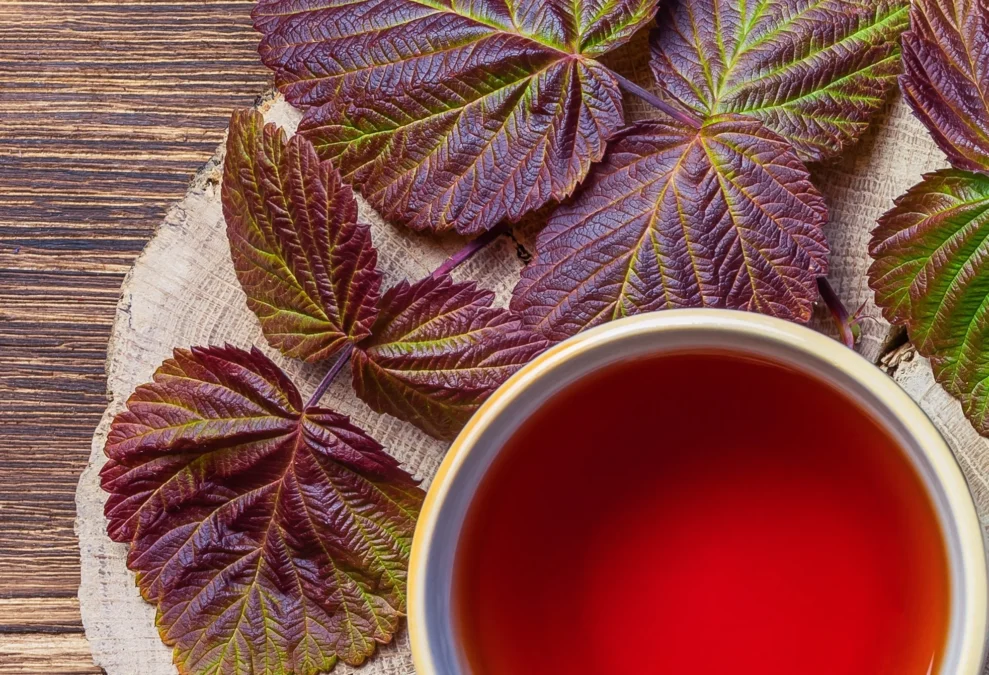
For centuries, women have passed down a secret through generations, whispered in the rooms of traditional midwifery and brewed in quiet kitchens. This secret is raspberry leaf tea, a remarkable herbal infusion made from the rugged, green leaves of the Rubus idaeus plant. Far from a trendy modern fad, this caffeine-free herbal drink functions as a deeply rooted staple in holistic wellness. It bridges the gap between ancient folklore and modern holistic nutrition by providing a reliable, comforting source of plant-based support for women navigating various biological milestones.
Unlike fruit infusions that taste like sweet berries, true red raspberry leaf tea boasts a robust, comforting profile that catches many newcomers by surprise. Its mild, earthy flavor behaves exactly like a gentle cup of traditional black tea, minus the jitters or the post-caffeine crash. Today, as women worldwide seek natural ways to sync with their bodies, this ancient brew has stepped into the modern scientific spotlight. It is widely celebrated as a potent wellness ritual for both cyclical menstrual health and maternal preparation, cementing its status in modern pantries.
What is Raspberry Leaf Tea Good For? The Top Health Benefits
The true magic of this herbal drink lies within its dense, nutrient-rich profile, acting as a biological shield for the body. It serves as a natural powerhouse packed with essential vitamins like A, C, and E, alongside vital trace minerals that promote cellular repair. The body easily absorbs its high concentrations of calcium, iron, magnesium, and potassium, which work in tandem to regulate systemic balance. Together, these nutrients fortify the immune system and support daily energy, proving that this simple leaf offers far more than basic hydration.
For those enduring painful menstrual cycles, raspberry leaf tea serves as a comforting, time-tested remedy that reduces reliance on synthetic alternatives. The leaves contain a unique alkaloid compound called fragarine, which helps tone, tighten, and relax the deep muscles of the pelvic region. By soothing the uterine walls, it significantly reduces the severity of period cramps, bloating, and hormonal nausea during difficult days. Furthermore, its natural astringent tannins help regulate heavy flows and stabilize digestive functions, offering a holistic approach to menstrual comfort.
The Real Science: Raspberry Leaf Tea in Pregnancy & Labor
In the world of pregnancy and childbirth, this remarkable herbal infusion is affectionately crowned the ultimate uterine tonic by birth workers. Midwives and natural birth advocates have long relied on it to prepare the expectant mother’s body for the strenuous physical demands of labor. Rather than forcing the body into premature action, it acts like a gentle gym workout for the womb, conditioning the muscles gradually. It strengthens the uterine walls over time, ensuring the body is optimally prepared when the significant day finally arrives.
A major misconception is that drinking raspberry leaf tea will artificially induce labor or chemically soften the cervix before the baby is ready. Modern clinical evidence clarifies that it simply makes involuntary uterine contractions more coordinated and highly efficient once natural labor begins on its own. Research indicates that regular consumption may lead to a shorter second stage of labor, allowing for a smoother delivery process. It also correlates with a reduced statistical need for medical interventions, such as forceps or emergency cesarean sections.
Safety First: Crucial Guidelines on When to Start Drinking It
Navigating the timeline of pregnancy requires absolute caution, making the timing of this herbal ritual incredibly important for fetal safety. Most healthcare professionals advise completely avoiding the brew during the sensitive first trimester when the pregnancy is establishing itself. Because the active compounds stimulate pelvic muscles, avoiding it early on minimizes any unnecessary risks or complications. This allows the early pregnancy to stabilize naturally without external uterine stimulation, ensuring a foundation of safety before introducing powerful herbs.
The optimal window to safely introduce raspberry leaf tea begins during the third trimester, specifically around week 32 of gestation. Expectant mothers can safely start with a single, mild cup daily, allowing the body to adapt comfortably without overwhelming the system. However, certain individuals should completely bypass this herb to protect their health. If you are expecting twins, have a history of premature labor, or have a scheduled C-section, it is best to avoid it. Always consult your OB-GYN before brewing your first cup.
How to Brew the Perfect Cup: A Step-by-Step Guide
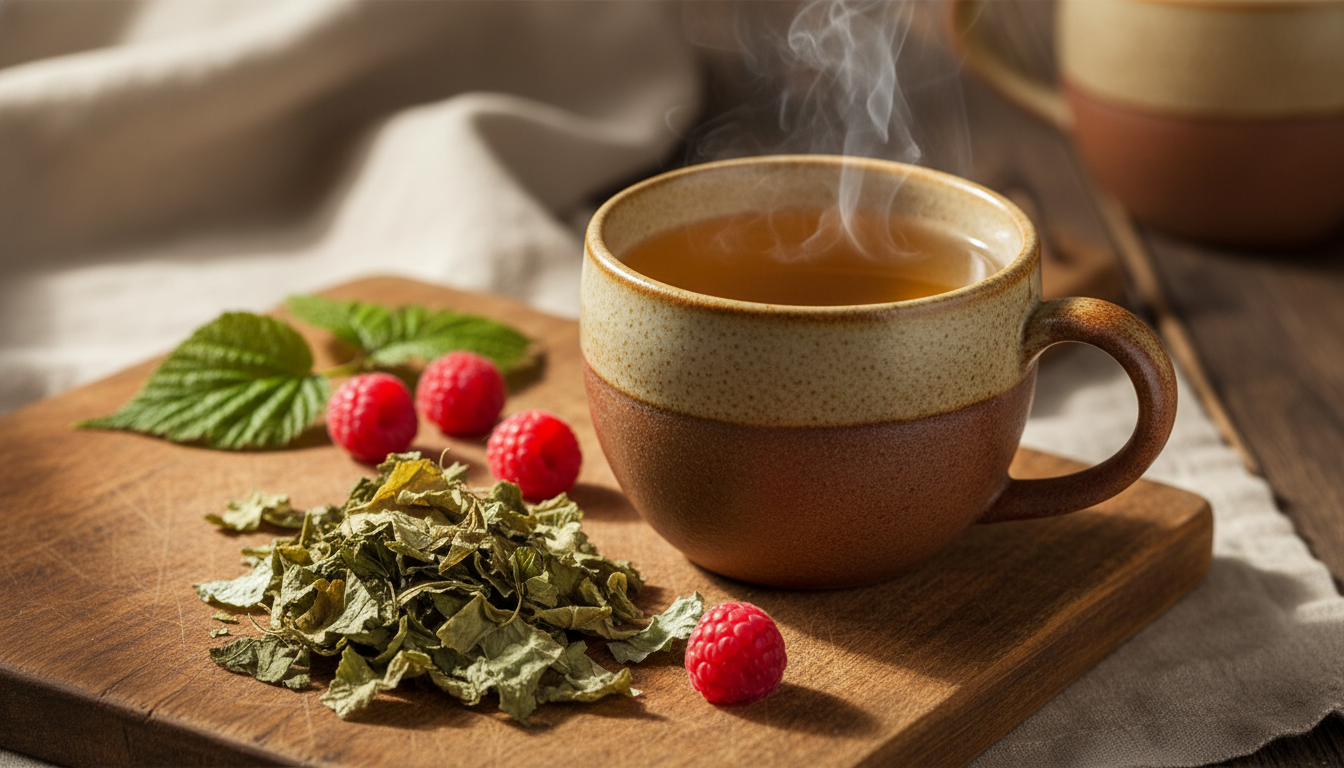
Extracting the maximum therapeutic value from your leaves requires a mindful approach to brewing that respects the delicate plant matter. You can easily utilize loose-leaf blends or opt for high-quality, pre-wrapped organic tea bags from trusted wellness brands. Start by bringing 8 ounces of fresh, filtered water to a rolling boil to ensure purity and proper heat extraction. Place your leaves or tea bag into your favorite mug, and gently pour the boiling water directly over them to activate the herbs.
The secret to a potent brew lies in covering your cup with a lid or saucer during the steeping process. Trapping the steam ensures that the essential volatile oils and medicinal nutrients do not escape into the air as vapor. Let the mixture steep deeply for 8 to 15 minutes, allowing the water to darken into a rich, amber hue. Strain the loose leaves, add a touch of raw honey if desired for sweetness, and enjoy your therapeutic cup warm.
Buying Guide: Where to Find Raspberry Leaf Tea in Pakistan
Locating high-quality herbal infusions has become incredibly easy for wellness enthusiasts living in Pakistan due to expanding digital commerce networks. Major online marketplaces, such as Daraz.pk, offer quick access to various local and imported herbal selections with fast doorstep delivery options. For those prioritizing premium sourcing, domestic organic brands like Hunza Foodways offer pristine, chemical-free loose leaves harvested directly from northern valleys. This ensures you receive a fresh product that supports local sustainable agricultural practices while boosting your health.
The price for a quality pack in the local market generally ranges between Rs. 600 and Rs. 1,300, depending on the brand. Premium imported options like Traditional Medicinals are also widely available on specialized health platforms like iHerb Pakistan for discerning consumers. Investing in certified organic options ensures your daily wellness ritual remains completely free from harmful pesticides and artificial additives. This gives you peace of mind with every single sip you take throughout your wellness journey.
The Final Verdict: A Balanced Conclusion
Ultimately, raspberry leaf tea stands as a beautiful testament to the power of natural, plant-based wellness in the modern era. Whether you are seeking relief from difficult monthly cycles or preparing your body for childbirth, this safe, nutrient-dense tonic offers exceptional support. It beautifully bridges the gap between time-honored traditional remedies and modern, evidence-backed self-care, proving that ancient wisdom still holds immense value today. By honoring this ritual, women can reconnect with natural rhythms using a time-tested organic beverage.
However, it is vital to remember that no herbal remedy acts as a magical, instantaneous cure-all on its own without lifestyle support. The best results stem from consistent use, high-quality sourcing, and a deep respect for your body’s unique biological boundaries. By combining personal research with professional medical guidance, you can safely unlock the incredible health benefits hidden within this ancient green leaf. Embrace the journey mindfully, allowing this herbal companion to nourish your body through every stage of health and wellness.
Frequently Asked Questions (FAQs)
Can I drink raspberry leaf tea every day?
Yes, it is perfectly safe to consume daily once you have successfully reached your third trimester (around week 32) or if you are using it to regulate a standard menstrual cycle. It is always best to start with one cup daily to evaluate your body’s tolerance before gradually increasing your intake to two or three cups. Monitoring your physical response ensures that the herb works in harmony with your system without causing any digestive discomfort or unwanted contractions.
Does raspberry leaf tea actually shorten labor timelines?
Clinical studies and extensive historical data suggest that it can shorten the second stage of labor by making contractions significantly more powerful and efficient. While it helps tone the muscles for an easier delivery, it does not guarantee a universally fast labor for every individual due to unique anatomical factors. Think of it as a supportive tool that optimizes uterine function rather than an unpredictable catalyst, giving your body the strength it needs for a smoother birth experience.
What is the main difference between raspberry tea and raspberry leaf tea?
Standard raspberry tea is a fruit-flavored black or green tea designed to taste like sweet berries, offering purely recreational enjoyment. In contrast, authentic raspberry leaf tea is a pure herbal infusion made exclusively from the dried green leaves of the plant, carrying no berry flavor at all. It carries a pleasant, earthy flavor profile resembling mild black tea and contains the active therapeutic compound fragarine, which provides the true medicinal benefits sought for reproductive health.
Can drinking this herbal infusion cause an accidental miscarriage?
There is no definitive medical evidence linking the herb directly to miscarriages when consumed in moderation. However, because the active compounds stimulate and tone uterine muscle tissue, medical professionals strictly advise avoiding the beverage during the first trimester as a standard precautionary measure to ensure maternal safety. Waiting until the third trimester eliminates unnecessary anxiety and aligns your consumption with the period when your uterus actually benefits from structural toning.
You may also read: Bedding Science and Material Selection