
As summer temperatures continue to climb across the country, finding effective UK heatwave sleeping arrangements has become an urgent priority for millions of households. Unlike continental Europe or North America, where air conditioning is standard, most British homes are specifically engineered to trap and retain heat for the colder months of the year. When an unexpected heatwave strikes, these well-insulated houses quickly transform into stifling, high-temperature zones that make achieving deep, restorative sleep nearly impossible. By utilizing advanced environmental management techniques and behavioral adjustments, you can transform your bedroom into a cool, refreshing sanctuary that allows you to maintain high sleep quality even during the most intense periods of summer heat.
The primary obstacle to comfortable sleep during these periods is the physical phenomenon of heat rising, which causes upstairs bedrooms to become significantly warmer than ground-level living spaces. When you combine this with the “urban heat island” effect—where concrete and brick structures hold onto solar heat long after the sun has set—the internal temperature of your home can remain elevated for days. Understanding that your bedroom acts as a thermal vessel is the crucial first step toward finding a sustainable solution. By proactively managing how your space interacts with external sunlight and internal airflow, you can successfully counteract the tendency of your home to hold heat, laying the foundation for a much cooler and more comfortable night of rest.
Understanding Your Environment and Thermal Dynamics
The scientific reality of why you struggle to sleep during a summer spike is rooted in basic thermodynamics: heat naturally rises and accumulates at the highest point of any structure. Since most residential floor plans place bedrooms on upper levels, these rooms become natural traps for the heat generated during the day. Furthermore, if your home has poor ventilation or limited cross-airflow, the air inside your room remains stagnant, forcing your body to work significantly harder to regulate its core temperature throughout the night. Recognizing that your immediate environment is a thermal collector allows you to implement specific, high-impact changes to your bedroom setup that prioritize cooling and moisture management above all else.
Managing sunlight exposure throughout the day is arguably the most critical aspect of maintaining a comfortable sleeping environment. If your windows are left unobstructed, they will function as a greenhouse, allowing short-wave radiation from the sun to heat up your floors, walls, and furniture. By the time evening arrives, these surfaces will slowly release that stored heat back into your bedroom, creating a cycle of warmth that is incredibly difficult to break. To combat this, you should keep your windows, blinds, and heavy curtains firmly closed during the peak daylight hours. This simple, preventative measure acts as a thermal barrier, significantly reducing the amount of heat energy that penetrates your home and helping to keep your bedroom at a manageable temperature until you are ready to sleep.
Strategic Relocation of Your Sleeping Setup
If your upstairs bedroom remains consistently unbearable despite your best efforts to manage the environment, it is time to consider a strategic relocation. Adapting your UK heatwave sleeping arrangements might involve moving your mattress to the ground floor or even a basement area where the ambient temperature is naturally buffered by the earth. Ground-level rooms are typically insulated from the intense heat that builds up under the roof, providing a much-needed reprieve from the stifling conditions of your primary bedroom. While this might seem like a drastic lifestyle change, the improvement in sleep quality will often far outweigh the minor inconvenience of temporarily sleeping in a different room or on a different floor of your property.
For those who cannot move their entire bed, consider changing your sleeping surface to something more conducive to heat dissipation. If you sleep on a high-profile bed frame, your body is surrounded by air that is warmer than the air located near the floorboards. Moving your mattress directly to the floor can provide a few degrees of relief, as the air at this level is often denser and slightly cooler. Additionally, using a camping cot or an elevated frame with a mesh base can promote airflow underneath your body, preventing the accumulation of heat between your mattress and your skin. This simple adjustment ensures that the air is allowed to circulate freely, which is essential for maintaining a lower body temperature during the night.
Bedding Science and Material Selection
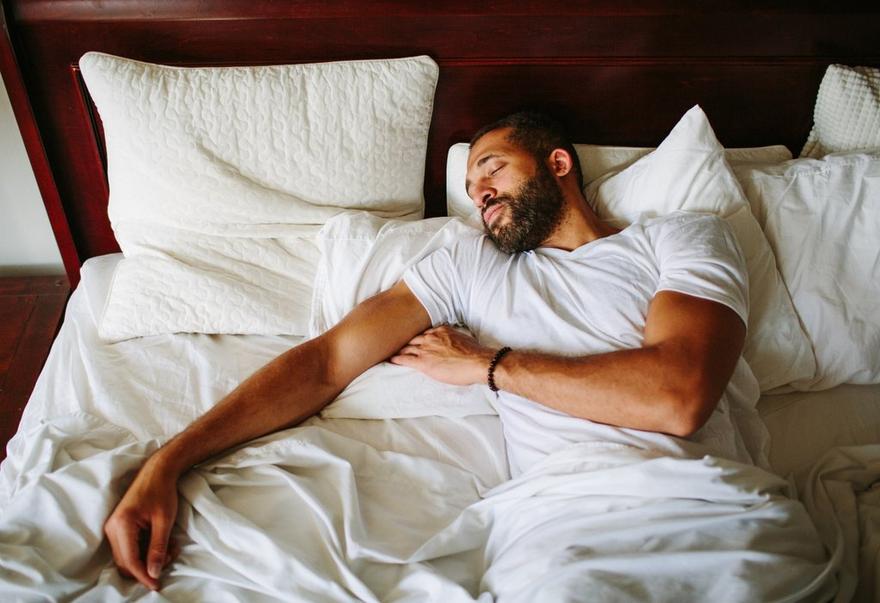
Many people mistakenly continue to use their standard winter duvets even during hot spells, but your choice of bedding is paramount to regulating your body heat. Synthetic fabrics, such as polyester, microfiber, or certain nylon blends, are notorious for acting as insulators, trapping heat and perspiration directly against your skin throughout the night. To optimize your UK heatwave sleeping arrangements, you must switch to natural, breathable fibers like high-quality cotton, linen, or bamboo. These materials possess superior thermal conductivity and are exceptionally efficient at wicking moisture away from your body, which helps you stay dry and cool even when the room temperature remains higher than you might prefer.
Ditching the duvet entirely is one of the most effective strategies for immediate relief. Replacing your thick bedding with a single, high-thread-count cotton sheet provides a psychological sense of coverage while allowing for maximum air circulation around your limbs. If you are willing to invest in your sleep environment, cooling gel-infused mattress toppers or specialized moisture-wicking sheets can pull excess heat away from your body throughout the night. By carefully curating a breathable sleep surface, you prevent the cycle of overheating that often wakes you up in the middle of the night, allowing your body to settle into the deeper, more restorative stages of sleep that are essential for cognitive function.
Optimizing Airflow and Cross-Breeze Mechanics
Mastering the mechanics of airflow is a fundamental skill that every homeowner should cultivate during a heatwave. Simply pointing a fan toward your bed is often an ineffective, short-term solution that just moves warm, stagnant air around the room. Instead, you should aim to create a strategic cross-breeze by positioning your fans carefully in relation to your windows and doorways. Place one fan facing inward toward an open window at night to draw in the cooler evening air, and open a window on the opposite side of the house to facilitate an exhaust-and-intake system. This setup forces the hot, stale air out of the building while pulling in a continuous supply of fresh, cooler air.
The “ice trick” is a highly effective, low-tech way to physically chill the air entering your room. By placing a large, frozen bottle of water or a bowl of ice directly in the path of your fan, you force the airflow to pass over a freezing cold surface, which naturally lowers the temperature of the air as it hits your skin. This creates a makeshift, evaporative cooling system that can reduce the temperature in your immediate vicinity by several crucial degrees. This method is particularly useful during the first few hours of the night, helping you drift off into sleep before the ambient room temperature has a chance to rise back up to uncomfortable, sleep-disrupting levels.
Bio-Cooling Techniques for Core Temperature Regulation
When the ambient air in your room is hot, cooling your body directly is the most immediate way to find temporary relief and signal to your brain that it is time to sleep. Your pulse points—located at your wrists, neck, and behind your knees—have large blood vessels that run very close to the skin. Applying a cool, damp cloth to these specific areas allows you to cool your blood circulation rapidly, which provides an efficient way to lower your overall core body temperature. This simple, ancient technique remains one of the most effective ways to combat the physical symptoms of heat stress, making it easier to drift into a relaxed state despite the elevated room temperature.
The “cold sock” hack is another favorite among sleep experts and those living in hot climates. By placing a pair of clean, light cotton socks in the refrigerator or freezer for about an hour before you head to bed, you can create a potent cooling tool. Wearing these cold socks helps to lower your body’s core temperature quickly, triggering the natural physiological response that your brain associates with falling asleep. Furthermore, consider taking a lukewarm shower rather than an ice-cold one before bed. A lukewarm rinse helps your body dissipate heat gradually without triggering the “rebound” heating effect that often occurs when the body overreacts to the shock of extremely cold water.
Psychological and Behavioral Adjustments for Hot Nights
Sometimes, the best UK heatwave sleeping arrangements involve changing your nocturnal habits to match the environmental challenges. Sleeping solo can drastically reduce the ambient heat in your bed, as sharing your sleeping space with a partner or a pet adds a significant amount of radiated body heat to the environment. If your comfort is the priority, consider sleeping in separate rooms or at opposite ends of the bed during the most intense nights of a heatwave to ensure you both achieve the recovery sleep your bodies desperately need. It is important to recognize that this is a temporary adjustment made for your well-being, and it will help you handle the stress of the heat more effectively.
Your sleeping position also plays a role in how your body handles ambient temperature. Sleep experts often recommend the “pole” position—lying on your side with a pillow tucked between your knees. This stance maximizes the surface area of your skin exposed to the circulating air, preventing you from bunching up your body and trapping heat. Furthermore, you should monitor your hydration levels throughout the day to ensure you are well-rested and prepared for the night. While staying hydrated is essential, try to limit your fluid intake immediately before bed to ensure your rest is not constantly interrupted by frequent trips to the bathroom, which can fragment your sleep cycle and leave you feeling fatigued.
Staying Alert and Prepared for Extreme Weather
Climate volatility and the changing nature of British summers make it essential to stay informed about incoming weather patterns. Regularly checking official Met Office weather forecasts and heatwave alerts allows you to prepare your home environment before the peak temperatures actually arrive. When an official warning is issued, you should immediately implement your heat-reflective strategies, such as installing temporary thermal films or heavy, high-quality blackout blinds on all windows. These measures stop the intense solar heat from entering your living space in the first place, saving you from having to combat that heat later in the night when you are trying to find comfort and rest.
Building a long-term plan for your seasonal sleeping arrangements is a smart, forward-thinking investment in your long-term health and productivity. As heatwaves become more frequent and more intense, having these established protocols ready—from knowing exactly when to open your windows to having your breathable, cooling bedding stored in a convenient location—ensures you are never caught off guard. By remaining proactive and keeping your living environment optimized for cooling, you can navigate even the most challenging summer nights with confidence. Ultimately, prioritizing your sleep quality through consistent preparation will ensure that you remain refreshed, healthy, and energized, regardless of how high the thermometer climbs during the summer season.
You may also read: Step-by-Step Instructions: How to Use a Clearblue Test Correctly