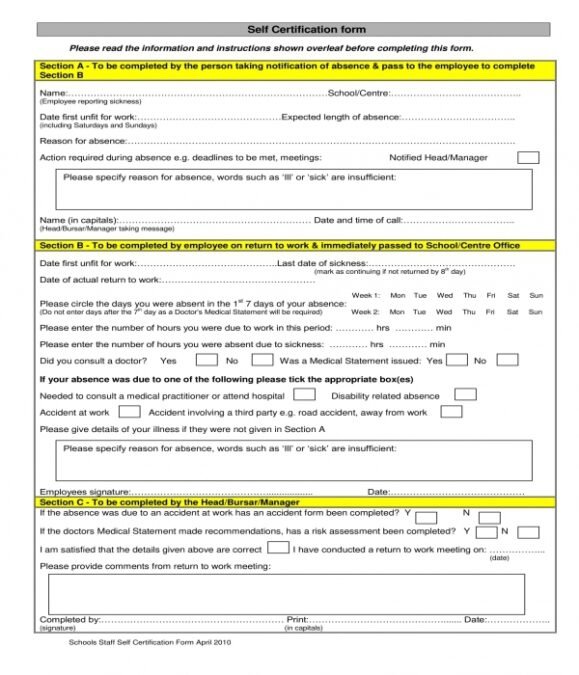
What is a Self Certification Form and Why Do You Need One
A self certification form is a formal legal document utilized globally by individuals and entities to officially declare specific factual matters—most notably tax residency status, corporate classifications, or employment eligibility—without requiring immediate third-party verification. In an era marked by rigorous global compliance frameworks, understanding the precise function of this document is crucial for anyone navigating modern banking onboarding processes, international financial investments, or standard human resource regulations. Whether you are opening a brand-new retail bank account, updating your investment profile portfolio, or declaring your short-term sickness to an employer, this essential paperwork acts as your primary binding declaration to verify vital personal and administrative credentials.
You will frequently encounter these declaration requirements when interacting with commercial banks, digital fintech platforms, corporate human resource departments, or government regulatory agencies. Because international compliance standards continue to tighten every single year, knowing how to properly complete and submit a self certification form ensures that your personal and business accounts remain active, fully compliant, and completely free from frustrating administrative freezes or processing delays. Failing to understand the core purpose of these disclosures can lead to unexpected roadblocks during financial onboarding, making it indispensable for savvy consumers and business professionals to master the foundational mechanics of self-certification documentation.
Understanding CRS and FATCA Compliance Drivers
The Foreign Account Tax Compliance Act and the Common Reporting Standard serve as the primary global regulatory drivers behind international financial data collection and tax transparency. Financial institutions worldwide rely heavily on accurate client declarations to prevent cross-border tax evasion, detect hidden offshore assets, and ensure seamless automated information exchange between participating sovereign jurisdictions. When you submit your account opening paperwork, compliance departments carefully evaluate your stated tax residency status against complex international tax treaties and local regulatory mandates to guarantee absolute transparency across the global financial ecosystem.
Submitting accurate data is paramount, because providing incorrect or misleading information on a self certification form can trigger severe institutional repercussions, including sudden account restrictions, substantial financial penalties, and formal compliance flags reported directly to tax authorities. By maintaining complete transparency and understanding the underlying legal weight of these international frameworks, account holders protect themselves from unnecessary audits while helping global financial networks maintain absolute integrity, security, and adherence to modern anti-money laundering and tax compliance laws across multiple jurisdictions.
Individual Versus Entity Account Documentation
Individual and sole-proprietor accounts generally require straightforward personal disclosures on their paperwork, including your full legal name, permanent residential address, precise date of birth, and your local Taxpayer Identification Number or functional equivalent. These essential data points allow retail banks, digital brokerages, and wealth management platforms to verify your primary tax jurisdiction seamlessly. Providing these clear details prevents administrative errors and accelerates the overall client onboarding timeline, allowing you to access financial services without unnecessary friction or prolonged waiting periods.
Conversely, corporate, partnership, and trust accounts demand significantly more complex documentation regarding ultimate beneficial ownership, control structures, and organizational tax residency classifications. Entities must carefully declare their precise operational status, identifying whether they function as active or passive non-financial foreign entities under global reporting rules. Navigating corporate compliance requires strict attention to detail, ensuring that all controlling persons and major stakeholders are fully accounted for within the framework of the submitted paperwork to prevent regulatory freezes across global jurisdictions.
How and Where to Download Official Templates
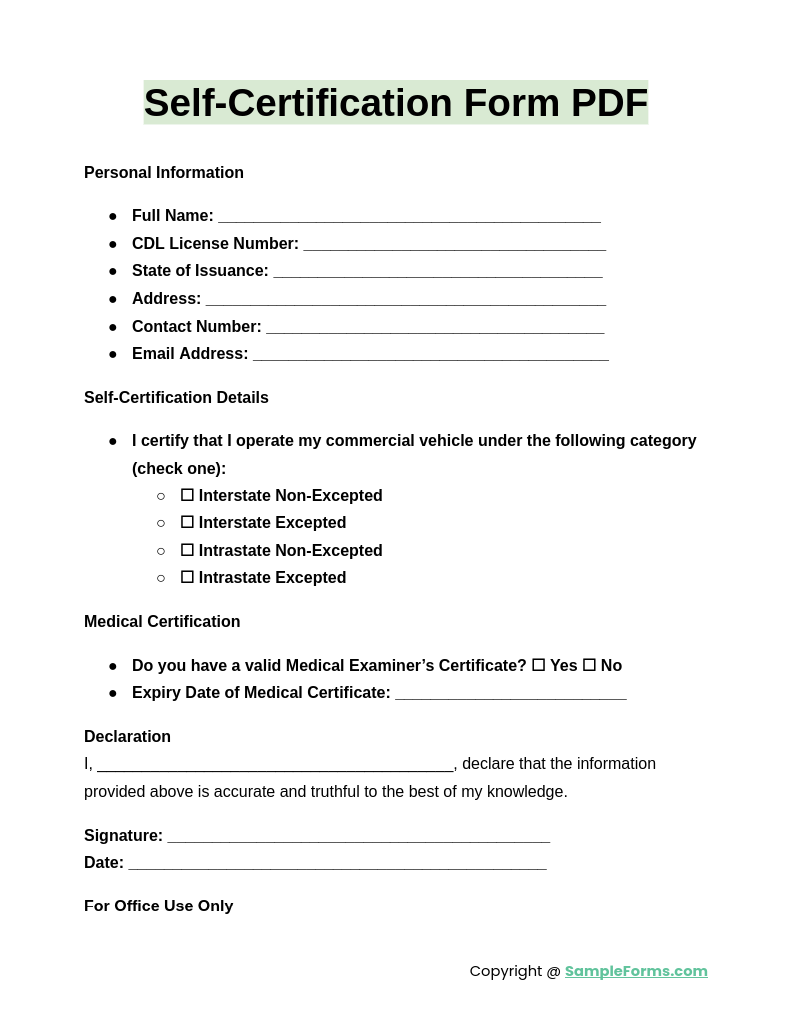
Sourcing reliable, authentic templates directly from authorized financial institutions or official regulatory bodies is an absolute necessity for maintaining data security and regulatory compliance. Major commercial banks, national financial institutions, and global wealth managers routinely provide downloadable PDF versions of the self certification form directly through their secure online client portals and digital banking applications. Always ensure you are downloading documents from trusted institutional domains to protect your sensitive personal information from phishing attempts, identity theft, and unauthorized data collection scams across the digital landscape.
Before you begin downloading or filling out your paperwork, it is wise to gather all essential identification documents, including your tax identification numbers, official proof of residency, and corporate registration certificates if applicable. Having these essential records organized and ready beforehand streamlines the entire completion process, minimizes cognitive fatigue, and prevents frustrating submission errors that could otherwise delay your financial or employment onboarding procedures significantly across different commercial channels and institutional verification workflows.
Step by Step Instructions to Accurately Fill Your Document
Begin your completion process by carefully reviewing every single section of your paperwork, ensuring that your personal identification details match your official government-issued identification documents word for word. Double-check that your tax identification numbers are correctly formatted and active according to your local tax authority guidelines, as even a single digit typo can invalidate the document and trigger automated compliance rejections from bank verification teams that review your account application files.
Furthermore, pay close attention to mandatory disclosures regarding changes in personal or financial circumstances, as moving across international borders or acquiring dual citizenship legally requires you to update your records immediately. Submitting an updated self certification form promptly whenever your residency status shifts protects you from compliance discrepancies, ensures uninterrupted banking services, and maintains your good standing with global financial institutions and regulatory supervisors across multiple jurisdictions worldwide.
Alternative Contexts Workplace Sick Leave and HR
Beyond the realm of banking and taxation, a self certification form plays a remarkably vital role in modern employment settings when workers need to report short-term illnesses to their employers. Instead of immediately scheduling an expensive or time-consuming doctor appointment just to secure a formal medical note for a brief illness, employees can utilize internal company documents to declare short-term sickness periods directly to human resource departments without unnecessary institutional friction.
Most regional labor guidelines and progressive corporate human resource policies comfortably permit employees to self-certify for minor illnesses lasting seven consecutive calendar days or fewer. This streamlined internal workplace process reduces unnecessary strain on public healthcare systems, empowers workers to recover safely at home, and keeps corporate management adequately informed regarding staffing availability, workplace productivity, and overall operational continuity during unexpected staff absences.
Conclusion and Best Practices for Ongoing Compliance
Mastering the correct handling, completion, and submission of your self certification form guarantees smoother financial transactions, hassle-free account openings, and seamless regulatory compliance across all your personal and business endeavors. Always make it a priority to source your document templates exclusively from trusted financial institutions or recognized international regulatory bodies, verifying every piece of tax data meticulously before final execution and submission to institutional compliance officers.
As global regulatory standards continue to evolve in complexity, keeping your personal documentation updated whenever your residency circumstances shift is the ultimate key to avoiding compliance penalties. By approaching these compliance requirements with diligence and proactive awareness, you safeguard your financial assets, maintain transparent relationships with institutions, and ensure total peace of mind in an increasingly connected world governed by strict international transparency laws.
Frequently Asked Questions About Tax and Leave Documentation
What is a self certification form used for primarily?
A self certification form is primarily utilized to officially declare tax residency details for international CRS and FATCA compliance when opening new bank accounts, or to confirm short-term workplace sick leave eligibility with your corporate employer. Understanding these dual purposes ensures you utilize the correct documentation format for your specific personal, financial, or employment needs without encountering unexpected administrative hurdles or processing delays.
Can I download a self certification form online safely?
Yes, you can easily download valid, standardized templates directly from your bank’s secure digital portal or official regulatory websites such as the OECD guidelines portal. Always verify that the digital source is authentic and encrypted before downloading any sensitive PDF documents to protect your personal identity and financial data from malicious third-party actors.
What happens if my tax residency details change unexpectedly?
You are legally required to notify your financial institution immediately and submit a newly updated self certification form to accurately reflect your current residential jurisdiction and tax obligations. Failure to report changes in circumstance can result in account freezes, compliance penalties, and reporting discrepancies with international tax authorities.
You may also read: On-Site Parking Locations and Tariff Rates