Whooping cough, medically known as pertussis, remains a highly contagious respiratory infection caused by the bacterium Bordetella pertussis. The disease spreads rapidly through respiratory droplets when an infected individual coughs, sneezes, or talks. While older children and adults often experience symptoms resembling a severe, lingering cold followed by violent coughing fits, the condition is far more dangerous for newborns. Infants face life-threatening complications such as severe pneumonia, prolonged apnea, seizures, and brain damage because their delicate immune systems are not yet equipped to fight off the bacterial invasion independently.
Receiving a whooping cough vaccine stands as the single most effective intervention to prevent widespread transmission and shield vulnerable demographics from severe illness. Comprehensive immunization programs create a robust barrier of protection across communities, significantly lowering the overall bacterial presence in public spaces. Understanding how these specialized vaccines function across various stages of human development empowers individuals, parents, and caregivers to maintain optimal immunization schedules. Ultimately, proactive vaccination prevents preventable hospitalizations, safeguards newborn infants, and preserves long-term community health.
DTaP vs. Tdap: Key Differences Explained
Navigating public health recommendations requires a clear understanding of the two primary formulations used to combat pertussis: DTaP and Tdap. The DTaP vaccine features capitalized letters because it contains full-strength concentrations of diphtheria, tetanus, and acellular pertussis antigens. This specific formulation is explicitly designed for infants and young children under seven years of age, whose developing immune systems require higher antigen doses to trigger a strong, initial protective antibody response that lasts throughout early childhood.
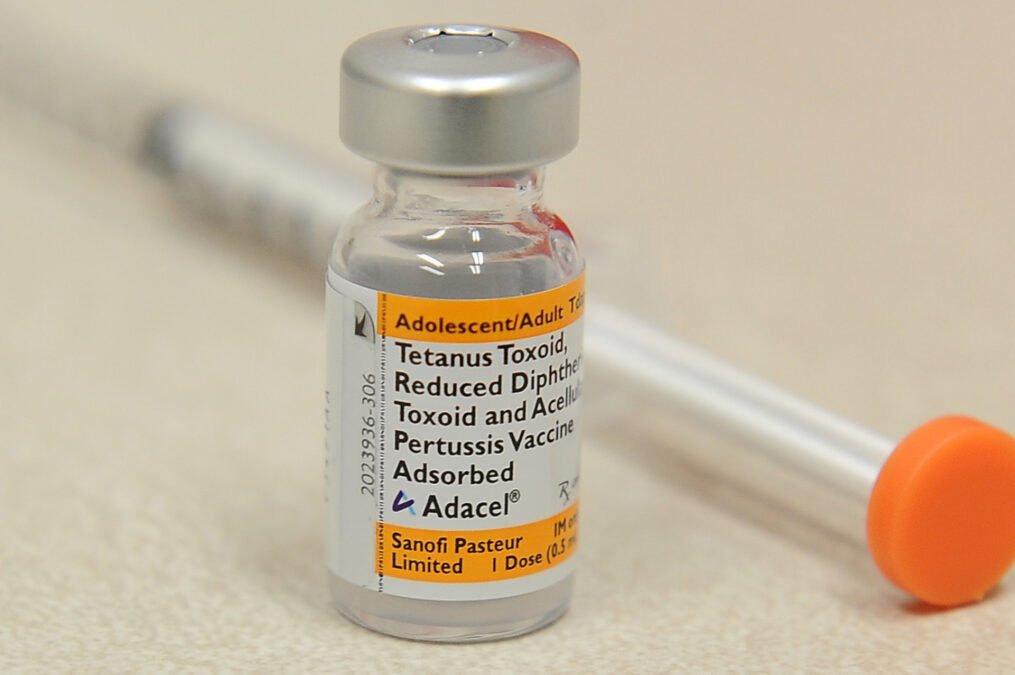
On the other hand, the Tdap vaccine utilizes lowercase letters for diphtheria and pertussis to signify reduced antigen quantities. Designed as a booster dose, Tdap successfully reinforces fading immunity without overwhelming a mature immune system with unnecessary antigen levels. Healthcare professionals administer Tdap to adolescents aged 11 to 12, adults, and pregnant women. Matching the appropriate vaccine formulation to the recipient’s age ensures optimal immune stimulation while keeping temporary post-vaccination side effects to a absolute minimum.
Recommended Whooping Cough Vaccine Schedule by Age Group
Following the official whooping cough vaccine schedule provides continuous defense across a person’s lifespan. The primary childhood series involves five carefully timed DTaP doses given at specific developmental milestones: 2 months, 4 months, 6 months, 15 to 18 months, and a final booster between 4 and 6 years of age. Adhering strictly to this recommended timeline ensures that young children build and maintain maximum immunity during their most vulnerable developmental years before entering crowded school environments.
Immunity naturally wanes over time, necessitating strategic booster doses as children transition into adolescence and adulthood. Preteens should receive a single Tdap booster at age 11 or 12 to maintain their protection through high school. Adults who have never received a Tdap booster should get one as soon as possible, followed by a routine booster shot every ten years. Maintaining this continuous timeline ensures individual safety and prevents hidden bacterial transmission throughout families and workplaces.
Whooping Cough Vaccine During Pregnancy: Protecting the Newborn
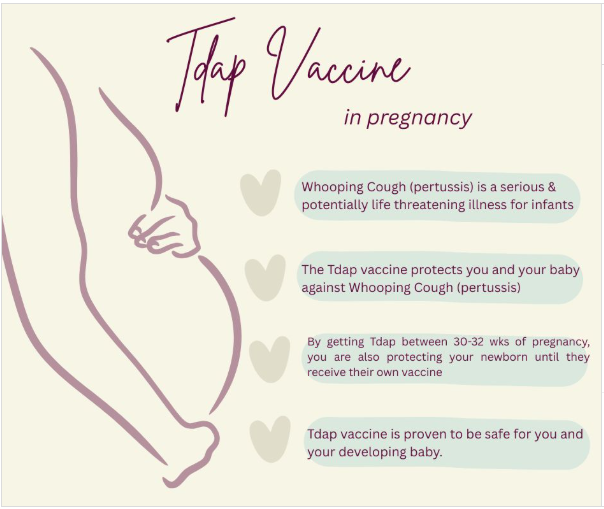
Getting a whooping cough vaccine during pregnancy serves as a critical biological shield for newborn infants during their first few months of life. Leading medical organizations recommend administering a single Tdap dose during the early third trimester, ideally between the 27th and 36th weeks of gestation. This specific timing allows the mother’s body to generate high levels of protective antibodies, which actively cross the placenta directly into the developing fetus’s bloodstream before delivery.
This passive transfer of maternal antibodies provides the newborn with immediate protection against pertussis from the moment of birth until they are old enough to receive their first DTaP shot at two months. Furthermore, healthcare experts strongly advise immediate family members, partners, grandparents, and regular caregivers to participate in a strategy known as “cocooning.” By receiving their own Tdap boosters at least two weeks before meeting the infant, caregivers construct an extra layer of protection around the newborn.
Potential Side Effects and Safety Profile
The whooping cough vaccine maintains an outstanding safety record validated by decades of global clinical surveillance and public health monitoring. Most reported side effects are minor, localized, and resolve independently within a couple of days. Common reactions include temporary tenderness, mild swelling, or redness at the injection site, accompanied by a low-grade fever or general fatigue as the body actively constructs new protective antibodies to defend against future bacterial exposure.
Infants receiving DTaP doses may display temporary fussiness, minor drowsiness, or a decreased appetite, all of which are standard, expected responses to immune stimulation. Serious adverse events, such as severe allergic reactions, are exceptionally rare across all age groups. Decades of comprehensive research confirm that receiving the Tdap vaccine during pregnancy is completely safe for both mother and baby, carrying no elevated risk of pregnancy complications, early labor, or low birth weight.
Waning Immunity and the Importance of Booster Shots
A fundamental aspect of pertussis protection is that immunity derived from acellular vaccines naturally decreases over time. Unlike some immunizations that offer lifelong defense after a single series, protection against whooping cough gradually declines within three to five years post-vaccination. Consequently, adults who were vaccinated during childhood can still contract mild or moderate forms of pertussis, often mistaking the illness for a prolonged cold while inadvertently spreading it to others.
Receiving a regular whooping cough vaccine booster remains essential for maintaining strong personal immunity and protecting surrounding community members. Regular boosters are especially vital for healthcare personnel, childcare workers, teachers, and adults residing with young infants. If an individual experiences direct exposure to a confirmed case of pertussis, healthcare providers may recommend immediate post-exposure preventive antibiotics alongside a booster evaluation to swiftly curtail potential transmission chains.
Conclusion: Staying Up to Date on Pertussis Protection
Prioritizing up-to-date immunizations remains our most reliable defense against preventable pertussis outbreaks. From foundational childhood DTaP doses to essential maternal Tdap boosters and routine adult updates, maintaining continuous protection protects individual health while contributing to overall public safety. Because newborns rely heavily on community immunity until they complete their primary series, keeping entire households up to date on their vaccinations saves lives.
Take a proactive step toward protecting your health and the wellbeing of those around you by reviewing your family’s immunization records today. Consult a qualified healthcare professional, local pharmacy, or community health clinic to verify if you or your loved ones are due for a booster. Timely vaccination ensures robust defense against whooping cough, giving your family confidence and long-term health security.
Frequently Asked Questions (FAQs)
What is the main difference between the DTaP and Tdap vaccines?
Both vaccines protect against diphtheria, tetanus, and pertussis. DTaP contains full-strength doses of antigens designed specifically for infants and young children under seven years of age. Tdap contains reduced antigen doses and serves as a booster for preteens, adolescents, adults, and pregnant women.
When is the best time to get the whooping cough vaccine during pregnancy?
The optimal window to receive the vaccine is between weeks 27 and 36 of every pregnancy. Receiving the Tdap shot during the early third trimester maximizes the transfer of protective maternal antibodies across the placenta, providing early immunity to the baby before birth.
How long does protection from the whooping cough vaccine last?
Immunity from acellular pertussis vaccines naturally wanes over time, typically decreasing significantly within 3 to 5 years after receiving a dose. This decline is why adults are advised to get a Tdap or Td booster every 10 years to maintain protective antibody levels.
Can adults who were vaccinated as children still catch whooping cough?
Yes, adults with waning immunity can still contract pertussis. Although their symptoms are usually milder compared to childhood infections, infected adults can easily pass the bacteria to unprotected infants, making routine adult boosters crucial for community protection.
What are the most common side effects associated with the whooping cough vaccine?
The most common side effects are mild and short-lived, including soreness, swelling, or redness at the injection site, low-grade fever, tiredness, and mild body aches. Severe allergic reactions to the vaccine are extremely rare.
You may also read : Proper Care and Hygiene Management at Home