Obstructive Sleep Apnoea (OSA) is a severe respiratory condition characterized by recurring collapse of the upper airway during rest, causing breathing to abruptly stop and restart hundreds of times each night. Individuals living with undiagnosed or untreated sleep apnoea often suffer from disruptive symptoms including chronic morning headaches, sudden gasping for air, loud snoring, and debilitating daytime fatigue. Over time, these frequent nocturnal oxygen drops place substantial strain on the central nervous system and heart, drastically escalating long-term risks for hypertension, type 2 diabetes, atrial fibrillation, and cardiovascular strokes. Securing an accurate clinical diagnosis and implementing effective daily treatment is paramount for preserving long-term vitality, daytime cognitive focus, and overall cardiovascular health.
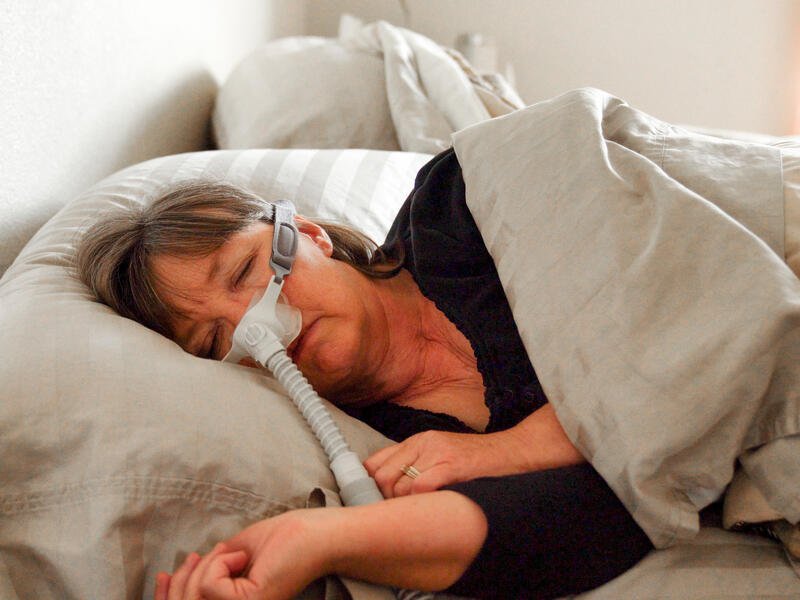
The primary gold-standard treatment prescribed by respiratory consultants and sleep specialists globally is positive airway pressure delivered directly by a specialized sleep apnea machine. These intelligent medical devices intake ambient room air, pass it through fine particulate filters, and deliver a smooth, pressurized stream of air through flexible tubing connected to an ergonomic mask. By supplying a constant, calculated cushion of pressure, a modern sleep apnea machine acts as an invisible physical splint that prevents delicate throat tissues from collapsing during deep sleep. This uninterrupted airflow restores healthy breathing cycles, completely stops loud snoring, stabilizes blood oxygen levels, and allows the body to complete deep, restorative REM sleep cycles every night.
Types of Sleep Apnea Machines Available in the UK
Navigating the medical equipment market requires a clear understanding of the distinct device categories engineered to treat varying degrees of sleep-disordered breathing. Fixed-pressure Continuous Positive Airway Pressure (CPAP) systems represent the foundational baseline of positive airway therapy. These traditional devices deliver a continuous, pre-set air pressure level throughout the entire duration of the night. While exceptionally reliable and budget-friendly, fixed-pressure units demand precise pressure titration from a hospital sleep study and lack the adaptability to adjust if your pressure requirements shift due to sleep posture, weight changes, or seasonal nasal congestion.
Automated Positive Airway Pressure (APAP) units represent the most popular choice for modern private buyers in the UK due to their intelligent flexibility. An APAP sleep apnea machine utilizes built-in microprocessors and sensitive airflow sensors to continuously analyze every breath you take throughout the night. It automatically increases or decreases air pressure in real-time based on your body position, sleep stage, and nasal resistance. For complex medical conditions, BiLevel (BiPAP) devices supply two separate pressure settings: higher pressure during inhalation and lower pressure during exhalation. Portable travel machines condense this advanced pressure technology into lightweight, battery-compatible units tailored for frequent travelers and commuters.
NHS Provision vs. Buying Privately in the UK
Choosing between public healthcare delivery and purchasing privately is a central decision for UK residents diagnosed with sleep apnoea. Acquiring your medical equipment through the National Health Service provides complete financial protection, as all necessary diagnostic testing, primary devices, replacement masks, and maintenance parts are provided free of charge at the point of care. However, accessing NHS therapy involves navigating a long administrative pipeline: obtaining a initial referral from a General Practitioner, waiting for an clinical appointment at a regional hospital sleep clinic, and enduring variable waitlists for overnight hospital sleep studies.
Conversely, purchasing a private sleep apnea machine allows you to completely bypass regional hospital waiting lists and start therapy within days of receiving an official diagnosis or private sleep study report. Private purchasing empowers patients to select sleek, modern equipment from premium global manufacturers like ResMed, Löwenstein, and Philips Respironics rather than accepting standard contract units provided by local health trusts. You gain complete control over aesthetic preferences, ultra-quiet motor engineering, smartphone data tracking applications, and compact travel dimensions that public health procurement channels may not offer.
Sleep Apnea Machine Prices in the UK: Cost Breakdown
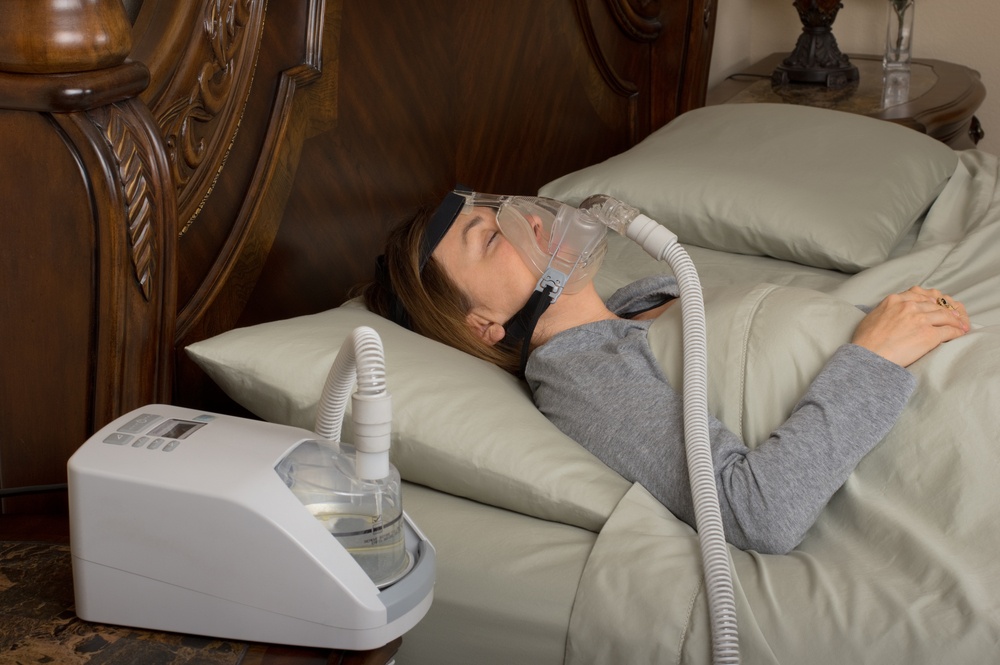
Investing in private positive airway pressure therapy requires a transparent understanding of the current financial landscape across UK medical suppliers. Entry-level, fixed-pressure CPAP devices generally start between £350 and £500 for standalone main units. Premium auto-adjusting (APAP) devices, such as the market-leading ResMed AirSense 10, AirSense 11, or Löwenstein Prisma series, typically cost between £540 and £780. Specialized BiLevel (BiPAP) machines designed for severe respiratory conditions represent a significantly higher financial investment, ranging from £1,200 to over £2,500 depending on specialized pressure modes.
When planning your total personal budget for a sleep apnea machine, it is important to distinguish between buying standalone base units and all-inclusive starter bundles. Full starter kits—which bundle the primary device alongside an integrated heated humidifier, heated climate tubing, and a high-comfort mask—generally cost between £650 and £950. Specialized travel units like the ultra-compact ResMed AirMini hover between £600 and £800 depending on the specific mask setup pack required, making it essential to budget for full operational setups.
Essential Features to Look For Before Purchasing
Modern therapy devices incorporate cutting-edge medical engineering designed to maximize night-to-night comfort, quiet operation, and long-term therapeutic compliance. Integrated heated humidifiers are essential additions that add warm moisture directly into the pressurized air stream, preventing painful dry throat, morning coughing fits, and nasal congestion during cold winter months. When paired with intelligent heated tubing, humidification completely eliminates “rainout”—the irritating buildup of liquid condensation inside the flexible plastic hose caused by temperature differences in the bedroom environment.
Exhalation relief technology, commercially known as EPR, Flex, or SoftPAP depending on the manufacturer, is another crucial feature that gently drops air pressure the precise moment you begin to breathe out, making exhalation feel entirely natural rather than forced against heavy resistance. Furthermore, buyers should seek devices operating under 27 decibels for whisper-quiet performance that won’t disrupt partners, auto-ramp features that hold low pressure until you fall asleep, and integrated Bluetooth or cellular connectivity that automatically syncs detailed sleep reports to your mobile phone.
Additional Costs: Masks, Accessories & Maintenance
Purchasing the central therapy unit represents only one portion of your long-term setup, as ongoing consumable accessories require regular replacement to maintain hygienic performance. The mask is your direct physical touchpoint and demands careful selection based on your natural sleeping style and facial anatomy. Full-face masks, nasal masks, and minimalist nasal pillow systems cost between £70 and £140 each. Because silicone seals degrade over time due to contact with natural facial oils, masks should be replaced every 6 to 12 months to prevent air leaks and pressure sores.
Ongoing maintenance consumables represent modest annual running costs that every private buyer should incorporate into their long-term health budget. Fine particulate air filters must be swapped every few months to protect both your respiratory system and the internal motor from ambient dust, costing roughly £10 to £30 annually. Replacement water chambers, heavy-duty mask wipes, specialized contour pillows, and backup tubing add roughly £40 to £80 per year to ensure your sleep apnea machine remains entirely hygienic, quiet, and operating at peak mechanical efficiency.
UK Prescription Rules & Claiming 20% HMRC VAT Relief
Before purchasing pressurized medical equipment privately within the UK, you must satisfy essential legal and medical governance frameworks. Legitimate UK medical suppliers strictly require a valid prescription, a doctor’s letter, or an official diagnostic sleep clinic report confirming Obstructive Sleep Apnoea before dispatching any primary therapy device. This vital safety requirement ensures that positive airway pressure therapy is clinically appropriate for your specific health needs and that maximum pressure limits are safely configured under medical supervision.
Crucially, UK private buyers can take advantage of substantial tax savings through official HMRC medical relief guidelines. Because Obstructive Sleep Apnoea is officially recognized as a chronic medical condition under HMRC Notice 701/7, individuals purchasing a sleep apnea machine for personal medical use qualify for complete VAT exemption. By simply ticking the medical self-declaration form during online checkout with authorized UK medical retailers, the standard 20% VAT rate is automatically waived, instantly saving you between £100 and £180 on your overall equipment purchase.
How to Choose the Ideal Device for Your Lifestyle
Selecting the ideal positive airway pressure setup comes down to matching your diagnostic medical requirements directly with your personal daily routines and sleeping habits. Begin by thoroughly reviewing your sleep specialist’s diagnostic report to confirm whether you need simple auto-adjusting APAP algorithms or specialized dual-pressure BiLevel settings. If you travel frequently for business or holidays, prioritize lightweight units that hold international aviation approval and feature versatile DC battery options or USB-C charging compatibility for effortless mobility.
Next, choose a mask design that supports your natural sleeping position and breathing habits without causing uncomfortable pressure points or air leakage. Side sleepers often benefit from top-of-head hose connections that allow total movement freedom, while mouth-breathers require full-face coverage unless paired with an ergonomic chin strap. Finally, always buy directly from reputable UK medical suppliers that provide full domestic warranties, dedicated customer support teams, and convenient long-term access to replacement filters, water chambers, and accessories.
Conclusion
Investing in a premium sleep apnea machine is a life-changing decision that directly safeguards your cardiovascular health, sharpens daytime mental focus, and restores vitality to your daily life. Whether you navigate the public NHS pathway or take advantage of the speed, choice, and convenience offered by private purchasing, modern auto-adjusting devices deliver extraordinarily comfortable, ultra-quiet, and personalized respiratory therapy. By prioritizing essential comfort features like heated humidification and exhalation relief, budgeting for periodic accessory replacements, and claiming your legitimate 20% HMRC VAT exemption, you can confidently secure the perfect therapy setup tailored to your health needs.
Frequently Asked Questions (FAQs)
Do I need a prescription to buy a sleep apnea machine in the UK?
Yes, all reputable UK medical suppliers require a valid prescription, doctor’s letter, or official sleep study report confirming Obstructive Sleep Apnoea before selling a primary device. This regulatory measure guarantees that positive pressure therapy is medically safe and appropriately set up for your respiratory system. However, standard replacement accessories like filters, tubing, and mask cushions can be purchased privately without a prescription.
How do I claim the 20% VAT relief on my machine purchase?
During the checkout process on authorized UK medical equipment websites, you will encounter a brief HMRC medical exemption declaration form. By completing this form and confirming that the device is for personal treatment of a chronic condition (OSA), the 20% VAT charge is automatically removed from your total order cost, yielding immediate financial savings.
What is the main difference between a CPAP and an APAP machine?
A standard CPAP device delivers a single, continuous pre-set air pressure level throughout the night regardless of your body position or sleep state. An APAP (Auto CPAP) continuously monitors your respiratory rhythm on a breath-by-breath basis and automatically adjusts air pressure levels up or down based on sleep depth, body position, and airway resistance.
How long does a typical sleep apnea machine last?
A high-quality sleep apnea machine manufactured by leading brands like ResMed, Löwenstein, or Philips typically lasts between 3 to 5 years of daily operation. Performing routine maintenance, such as replacing air filters on schedule and using distilled water in the humidifier chamber, extends the motor’s operational lifespan and prevents premature mechanical failure.
Can I take my machine on an airplane when traveling from the UK?
Yes, modern home and travel therapy devices are FAA-approved for international air travel. Because they are classified as essential medical equipment, major commercial airlines permit you to carry your device on board in its protective travel case free of charge, without counting it against your standard cabin baggage allowance.
You may also read: Cellulitis by Body Location: Legs, Feet, Face, and Arms