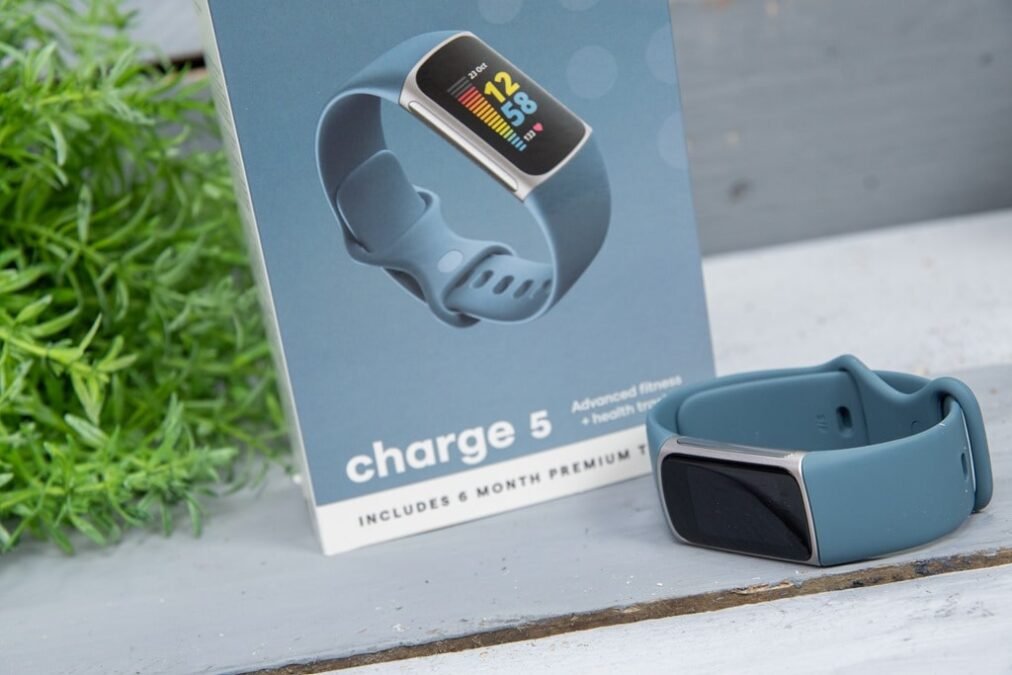
The evolution of wearable technology continues to redefine how individuals monitor personal health, track daily activities, and maintain active lifestyles. Within this fast-paced market, certain fitness bands achieve iconic status by offering an ideal blend of aesthetic appeal, clinical-grade sensors, and everyday reliability. The fitbit charge 5 remains a formidable contender in the modern fitness landscape, bridging the gap between casual lifestyle tracking and deep physiological diagnostics. Despite the arrival of newer models, this sleek device still captures the attention of health-conscious consumers looking for robust performance without paying flagship smartphone-level prices.
Navigating the current marketplace requires a comprehensive understanding of pricing trends, hardware specifications, and practical usability factors. When looking for the best deals, buyers must weigh global pricing shifts against local retail markets, such as electronics platforms across South Asia, where availability and warranty support heavily influence purchasing decisions. This complete guide explores everything you need to know about purchasing, evaluating, and maximizing the utility of this exceptional health tracker to ensure you secure ultimate value for your hard-earned money.
Fitbit Charge 5 Pricing Overview and Market Rates
Global pricing structures for fitness trackers have undergone significant transformations, rendering previous-generation flagship devices much more accessible to budget-conscious shoppers and amateur athletes alike. In regional markets such as Pakistan, finding competitive rates across trusted online electronic storefronts is crucial for securing authentic stock backed by reliable warranty support. E-commerce platforms frequently offer promotional discounts, making advanced health monitoring tools attainable for a broader demographic of everyday users.
Savvy shoppers can frequently acquire the fitbit charge 5 at substantially reduced rates compared to its original launch MSRP, transforming it into a high-value purchase option. By carefully comparing local retail listings, open-box electronics, and verified international warranty providers, consumers can successfully bypass inflated middleman markups. Securing the lowest possible rates requires vigilance, patience, and a keen eye for genuine retailer certifications that protect buyers against counterfeit wearables flooding secondary online marketplaces.
Design, Build Quality, and Display Specifications
Departing from the bulky plastic housings of older generations, the fitbit charge 5 introduced a streamlined, aerodynamic stainless steel and aluminum chassis that rests comfortably on the wrist. This premium metal construction elevates the device from a mere sports accessory to a sophisticated piece of daily jewelry suitable for both gym sessions and formal office environments. The sophisticated form factor eliminates harsh physical edges, ensuring seamless comfort during high-intensity workouts, heavy labor, or overnight sleep tracking without causing skin irritation.
Complementing its rugged yet refined exterior is a vibrant, full-color AMOLED touch screen that delivers exceptional clarity, crisp text, and vivid graphics even under harsh direct sunlight. Equipped with an intelligent ambient light sensor and an intuitive always-on display mode, checking your real-time step count, heart rate zones, or incoming smartphone notifications requires nothing more than a quick, effortless glance. The absence of physical buttons gives the device a minimalist aesthetic, relying entirely on smooth swipe gestures and responsive haptic feedback for fluid menu navigation.
Advanced Health, Fitness, and Tracking Features

Equipped with built-in GPS mapping capabilities, the fitbit charge 5 allows outdoor runners, hikers, and cyclists to accurately track distance, pace, and route mapping independently without carrying a smartphone. Continuous PurePulse heart rate technology monitors resting and active cardiac rhythms around the clock, supplying vital data points to help users optimize physical exertion and prevent overtraining. These accurate metric collections form the foundation of proactive fitness management, giving users clear, actionable insights into their daily cardiovascular performance.
Beyond standard activity tracking, the wearable incorporates clinical-grade features, including an ECG app for assessing heart rhythm irregularities and an EDA sensor that measures electrodermal activity responses. These stress-management tools work synergistically to help users gauge their body’s physical response to mental pressure throughout hectic workdays. Coupled with advanced sleep stage analysis and daily readiness scoring, the device offers deep, holistic insights into physical wellness, recovery times, and overall metabolic balance.
Battery Life and Real-World Performance
Promising up to seven days of battery life on a single charge under optimal laboratory testing conditions, the fitbit charge 5 performs exceptionally well during everyday scenarios. However, real-world longevity fluctuates noticeably based on individual user habits, especially when power-intensive settings like continuous GPS tracking, high screen brightness, or the always-on display mode are enabled. Balancing these features allows users to customize their device longevity to match their specific weekly workout schedules and notification preferences.
Fast-charging capabilities enable the device to transition from a depleted state to a full hundred percent charge in approximately two hours using a convenient magnetic USB cable. Managing notification alerts and limiting unnecessary background synchronization ensures that users spend significantly less time tethered to wall adapters and more time actively tracking their health goals. This efficient power management makes the wearable a dependable companion for multi-day camping trips or busy work weeks where consistent uptime is essential.
Pros and Cons of the Fitbit Charge 5
Evaluating the core advantages and inherent drawbacks of any wearable technology helps clarify whether a specific device aligns with your personal daily routine and health objectives. The tracker excels brilliantly in several critical categories while presenting a few functional limitations that prospective buyers should carefully consider prior to making a final purchase decision. Understanding these trade-offs ensures that consumer expectations match the actual hardware capabilities delivered by the device.
Pros: Premium stainless steel and aluminum body construction, exceptionally bright and colorful AMOLED touch screen, comprehensive clinical health sensors including ECG and EDA, and industry-leading sleep metric reporting.
Cons: Complete absence of physical navigation buttons, lack of onboard music storage or playback controls, and a heavy reliance on the companion app ecosystem for advanced long-term reporting.
Conclusion and Final Verdict
Choosing a reliable fitness companion ultimately requires striking a delicate balance between upfront cost, design aesthetics, and advanced health monitoring capabilities. The fitbit charge 5 firmly maintains its ground as a powerful, stylish, and feature-rich wearable that delivers immense value for anyone striving to elevate their personal wellness journey. By combining medical-grade sensors with sleek lifestyle design, it proves that previous-generation flagships can still outperform many modern entry-level competitors in overall utility.
You may also read: How to Apply Evorel Conti Patches Correctly