The body’s response to injury is one of the more impressive examples of biological engineering. Within minutes of a wound, a sequence of overlapping repair processes begins that continues for months or years, producing a scar that is structurally sound even if visually different from the surrounding skin. Understanding what this process involves, and what influences its outcome, matters for anyone trying to support recovery, manage expectations, or decide when and whether to seek treatment for the result.
The Four Phases of Wound Healing
Wound healing proceeds through four recognised phases, each with distinct biology and a different relationship to what you can do to support or disrupt it.
Haemostasis begins immediately after injury. Blood vessels constrict, platelets aggregate at the wound site, and the clotting cascade produces a fibrin clot that seals the wound against further blood loss and provides a temporary scaffold for the repair that follows. This phase is largely automatic and rapid: it’s largely complete within minutes to hours.
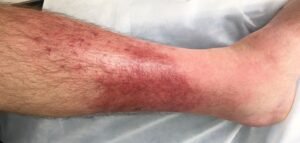
Inflammation follows haemostasis and continues for two to five days in a straightforward wound. Immune cells flood the wound site to clear bacteria, cellular debris, and damaged tissue. The redness, swelling, heat, and discomfort that characterise this phase are the visible signs of a necessary process rather than problems to be eliminated. Anti-inflammatory interventions at this stage can actually impair healing by suppressing the cellular activity that prepares the wound for repair.
Proliferation is the phase in which new tissue is built. Fibroblasts migrate into the wound and produce collagen, which forms the structural matrix of the new tissue. New blood vessels grow into the area to support this activity. The wound fills in from the bottom up, and the surface begins to close. This phase lasts from several days to several weeks depending on the wound’s size and depth.
Remodelling is the longest phase and the one most relevant to the final appearance of a scar. Over months to years, the initially disorganised collagen deposited in the proliferative phase is broken down and replaced with a more organised structure. Scars typically become flatter, paler, and softer during this period. The remodelling phase can continue for up to two years, which is why a scar’s appearance at six weeks post-injury is not representative of its final appearance.
What Influences the Outcome
The quality of the scar that results from wound healing is influenced by factors across the full timeline: the nature of the original injury, decisions made at the time of treatment, and what happens during the weeks and months of recovery.
The mechanism and depth of injury are primary determinants. Clean surgical incisions heal more predictably than traumatic wounds with irregular edges. Superficial wounds that don’t breach the dermis heal without scarring because the cells required to regenerate normal skin architecture are present. Wounds that damage the dermis produce scars because the normal skin structure can’t be fully replicated during repair.
Infection significantly worsens scar outcomes by prolonging inflammation, further damaging tissue, and disrupting the organised collagen deposition of the proliferative phase. Keeping wounds clean and recognising signs of infection early are among the most impactful things a patient can do.
Wound closure technique matters for surgical incisions. Wounds closed under tension, with the skin edges under stress, heal less well than those closed with the tension distributed through deeper suture layers. The orientation of the incision relative to the skin’s natural tension lines affects how visible the resulting scar is.
Sun protection during healing is consistently underestimated. Scar tissue has reduced melanin regulation, which makes it significantly more vulnerable to UV-induced darkening. Protecting a healing scar from sun exposure produces a meaningfully better final appearance and preserves more of the improvement achievable through any subsequent treatment.
Supporting Recovery
The practical things that support wound healing and scar maturation are straightforward, though not always well communicated at the point of injury or surgery.
Adequate nutrition during recovery matters. Protein is the raw material for collagen synthesis. Vitamin C is required for collagen cross-linking and is depleted rapidly by the metabolic demands of wound healing. Zinc supports immune function and cellular repair. These don’t require supplementation in most people eating a varied diet, but they do argue against crash dieting or severe caloric restriction during the recovery period.
Keeping the wound moist during the early healing phase, through appropriate dressings or topical treatments, produces better outcomes than allowing wounds to dry out and form hard scabs. This is established in wound care research but runs contrary to the intuition that drying out is part of healing.
Once the wound has fully closed, typically six to eight weeks post-surgery, gentle scar massage with a moisturiser or silicone gel helps maintain scar mobility, reduces the risk of adhesion formation, and supports the remodelling process.
When the Result Warrants Treatment
Some scars, despite good wound care and careful recovery management, mature into a form that’s either aesthetically significant or functionally problematic. This is where scar revision comes in.
Scar revision is most effective on scars that have fully matured, which means waiting at least twelve months post-injury before considering elective procedures. During this period, the scar is still changing, and what remains after full maturation is the appropriate starting point for any revision decision.
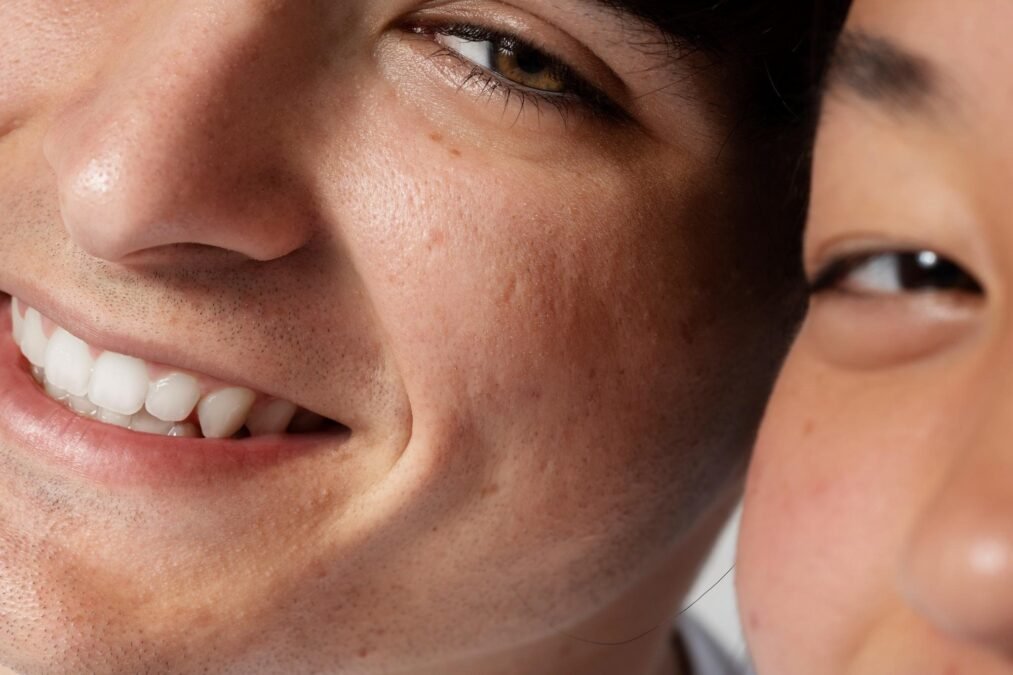
The range of scar revision approaches, from laser resurfacing and microneedling to surgical excision and tissue rearrangement, is matched to the specific features of the scar being treated. A scar that’s raised responds to different intervention than one that’s depressed. A wide scar responds differently from a tight, restricted one.
Understanding the biology of how the scar formed gives the revision process a better foundation: knowing what the tissue has done gives clearer insight into what it can be guided to do differently.