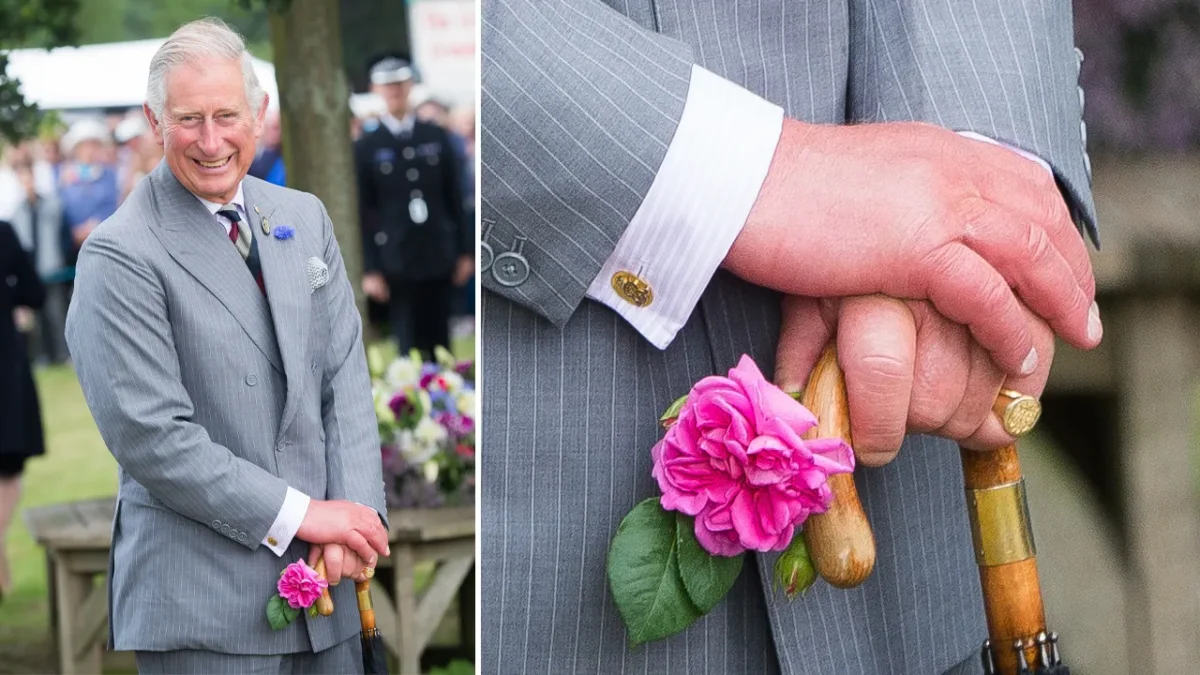
The fascination surrounding prince charles hands has captured global headlines, social media feeds, and digital search engines for over two decades. Whether attending high-profile royal galas, greeting crowds during international foreign diplomatic tours, or carrying out solemn state ceremonies, the monarch’s strikingly puffy digits rarely escape public notice. Digital communities quickly dubbed this distinctive visual phenomenon “sausage fingers,” turning a routine physical characteristic into a massive viral discussion across major news outlets and global social platforms.
Understanding why the topic of prince charles hands continues to generate such intense global curiosity requires looking far past internet memes and sensationalized media reporting. Public interest naturally spikes whenever prominent international figures display noticeable physical changes or unusual physical traits during televised appearances. This definitive guide explores the historical timeline of public observations, examines potential medical causes behind fluid retention and joint swelling, highlights the King’s own self-deprecating humorous responses, and outlines expert physician insights regarding hand swelling in older adults.
Timeline of Public Interest: When Did People First Notice Prince Charles’ Hands?
Public interest in prince charles hands is far from a recent internet trend born out of modern social media channels. Historical records reveal that Charles was fully aware of his distinctive hands long before the advent of viral digital platforms and smartphone camera lenses. Following the birth of Prince William in 1982, Charles famously penned a personal letter to a close friend joking that his newborn son had surprisingly thick fingers just like his father’s trademark physical feature.
The phenomenon gained immense digital momentum during international royal tours abroad over the past fifteen years as high-definition camera technology advanced. Photographers repeatedly captured detailed close-ups of his swollen digits during official visits to warm climates, including high-profile trips to Australia and India. A widely shared pub visit in South London sent social media platforms into overdrive, while global television broadcasts of his Accession and Coronation ceremonies permanently established this physical trait within mainstream global public consciousness.
Peripheral Edema and Fluid Retention
One primary medical explanation cited by independent healthcare professionals analyzing prince charles hands is peripheral edema. Medical edema occurs when the human body traps excess fluid within soft tissues, most commonly affecting the peripheral extremities such as fingers, hands, feet, and ankles. As individuals age past sixty-five, natural circulatory efficiency slows down slightly, which makes systemic fluid regulation more challenging during long days spent standing or traveling across multiple time zones.
Capillaries naturally leak small amounts of fluid into surrounding skin tissues when blood pressure shifts or when circulation becomes sluggish due to immobility. For public figures who spend long hours participating in formal walking tours, standing at podiums, and shaking hands with hundreds of attendees, fluid naturally settles into the lower parts of the limbs and fingers due to gravity. This fluid accumulation creates a tight, shiny, and noticeably swollen appearance across the backs of the hands and finger joints.
Dactylitis and Age-Related Arthritis

Another highly plausible medical factor explaining the appearance of prince charles hands involves age-related joint conditions and chronic cartilage wear. Osteoarthritis is exceptionally common among older demographics, causing localized joint tissue to break down gradually over time while prompting surrounding bone structures to thicken around knuckle joints. This structural joint expansion can leave fingers looking permanently enlarged, rigid, and thick around every individual digit joint even when active fluid retention is minimal.
Alternatively, severe joint inflammation known as dactylitis causes entire fingers or toes to swell into a uniform, sausage-like shape rather than swelling only at specific knuckle locations. Dactylitis is frequently associated with autoimmune joint conditions, inflammatory skin disorders, or long-standing joint stress. When chronic arthritis combines with minor soft tissue swelling, the resulting visual impact becomes significantly more pronounced, giving the hands a distinctively heavy and inflamed look during public appearances.
Impact of Flight Pressure, Climate, and Travel
Environmental conditions and frequent travel schedules play a massive role in temporary physical swelling for active international figures. Long-distance air travel alters atmospheric cabin pressure and restricts movement for extended hours, causing body fluids to pool into the hands and lower legs due to gravity and lack of muscular contraction. Royal travel schedules demand frequent international flights, which repeatedly subjects the vascular system to sudden elevation and pressure changes.
Furthermore, ambient weather conditions heavily dictate how blood vessels react during outdoor public engagements in warmer regions. When exposed to heat, the human body initiates vasodilation, a process where peripheral blood vessels expand near the skin surface to radiate heat away and maintain a stable internal temperature. This physiological cooling response causes additional fluid to seep into soft hand tissues, leaving fingers looking unusually swollen during warm-weather tours.
Everyday Lifestyle Factors and Dietary Sodium
Everyday nutritional choices and systemic hydration levels significantly influence how human tissues hold onto excess fluid. Consuming meals containing elevated sodium levels prompts the body’s kidneys to retain extra water balance, which quickly manifests as physical swelling around tight rings and finger joints. For busy individuals dining on varying international travel menus, managing precise sodium and electrolyte intake can be a complex nutritional challenge.
Additionally, shifts in daily fluid intake combined with physical exertion can amplify visible swelling in the extremities. Standing upright for hours during formal receptions causes venous pressure to build in the limbs, preventing fluid from returning efficiently to the heart. When temporary dehydration occurs alongside high sodium consumption, the body fiercely conserves water within peripheral tissues, resulting in noticeable puffiness around the wrists and fingers.
King Charles’ Personal Take and Royal Reactions
King Charles III has never shied away from addressing his distinct appearance, consistently choosing self-deprecating humor over defensive public statements. Over several decades, the monarch has repeatedly referred to his own “sausage fingers” in private correspondence, casual remarks, and lighthearted conversations with public figures. His willingness to openly poke fun at his physical traits has disarmed public criticism while endearing him to royal observers who appreciate his lighthearted self-awareness.
During rehearsals for his landmark 2023 Coronation, a behind-the-scenes documentary captured a humorous moment between King Charles and Prince William. As William carefully struggled to fasten a ceremonial golden robe around his father, Charles quipped with a warm laugh about his thick digits interfering with the fitting. Meanwhile, official Buckingham Palace communications maintain a polite distance from online speculation, treating public curiosity about prince charles hands with quiet tolerance rather than issuing solemn health announcements.
Medical Expert Consensus on Royalty Health Speculation
Medical professionals and independent doctors frequently remind the public that diagnosing complex health conditions solely from news photographs is fundamentally unreliable. While pictures of swollen digits look dramatic on high-definition television screens and social media feeds, experienced physicians emphasize that isolated hand puffiness is remarkably common among mature adults. Vascular specialists note that without direct clinical physical examinations, blood tests, and medical imaging, photo-based diagnosis remains entirely theoretical.
Reassuringly, top health experts confirm that long-standing finger edema rarely signals an acute medical emergency or underlying systemic failure. While the King has faced separate, publicly disclosed medical treatments in recent years, expert consensus indicates his hand swelling is simply a long-standing chronic trait. It reflects routine biological factors like benign fluid dynamics, climate sensitivity, and normal joint wear rather than a sudden or dangerous cardiovascular health crisis.
Recognizing When Swollen Hands Require Medical Evaluation
Observing swollen fingers in your own daily life is usually a harmless biological response, but recognizing the difference between normal and abnormal symptoms is essential. Mild puffiness occurring after a hot summer walk, an intense exercise session, or a long transcontinental flight is completely normal and physiological. This routine swelling typically subsides within hours once an individual rests, consumes adequate fresh water, and elevates their hands above heart level.
However, formal clinical evaluation becomes necessary if hand swelling appears rapidly without an obvious cause, causes sharp physical pain, or presents asymmetrically in only one limb. Seeking professional medical guidance is crucial if finger swelling is accompanied by skin discoloration, shortness of breath, severe chest tightness, or pitting edema—a condition where pressing a thumb firmly into the swollen skin leaves a deep, temporary indentation that takes several seconds to smooth out.
Conclusion
The enduring global fascination with prince charles hands offers a compelling look at how modern internet culture scrutinizes every physical detail of high-profile leaders. What began decades ago as a lighthearted personal joke shared within the Royal Family has expanded into a persistent viral topic spanning global news platforms, search engine queries, and social networks. The public’s sustained interest highlights how harmless physical traits can become long-term pop-culture phenomena in our media-saturated world.
Ultimately, medical consensus and historical evidence demonstrate that his swollen fingers represent a long-standing, manageable physical trait rather than a concerning illness. Driven by routine factors such as fluid retention, natural joint aging, international air travel, and warm weather exposure, the condition has never hindered his extensive public duties or state responsibilities. King Charles continues to handle the enduring public curiosity with characteristic good humor, proving that viral medical queries can be managed with grace and poise.
Frequently Asked Questions (FAQs)
Why are Prince Charles’ (King Charles III) hands so swollen?
While no official medical diagnosis has been released by Buckingham Palace, medical experts suggest the swelling is caused by a combination of peripheral edema (fluid retention), age-related arthritis, heat expansion, and long-distance travel schedules.
What is “sausage fingers” (Dactylitis)?
Dactylitis is a medical term describing severe, uniform inflammation of an entire finger or toe. The intense joint and tendon swelling gives the digit a distinct, sausage-like appearance and is frequently associated with forms of arthritis like psoriatic arthritis.
Has King Charles ever spoken about his swollen fingers?
Yes. King Charles has joked about his “sausage fingers” on numerous occasions over the decades. He famously referenced them in a letter following Prince William’s birth in 1982 and joked about them with Prince William during coronation rehearsals.
Are swollen fingers a sign of a serious health condition?
Not necessarily. In older adults, mild finger swelling is often a benign result of warm weather, dietary sodium, fluid retention, or routine joint aging. However, sudden, asymmetrical, or painful swelling should always be evaluated by a physician.
You may also read: Common Signs and Symptoms Your Baby Is Experiencing a Regression