Introduction
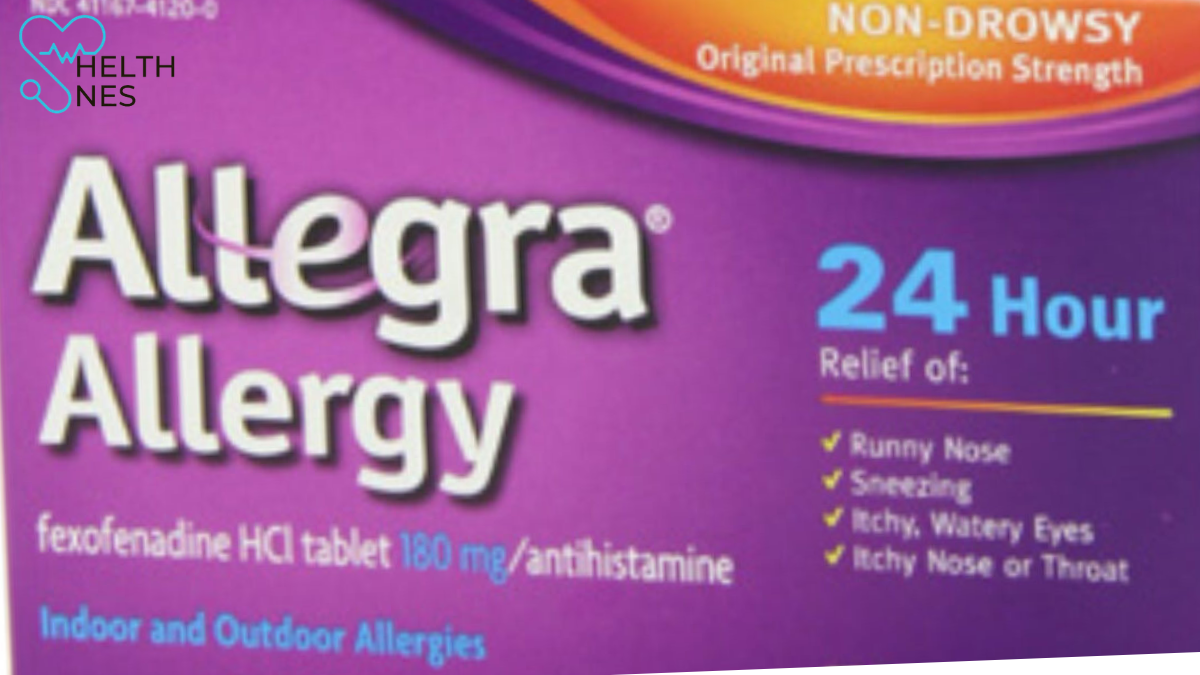
Fexofenadine is a modern, non-drowsy antihistamine that helps people manage allergies, hayfever, and chronic hives. For most adults, standard doses of 120–180 mg daily are sufficient to relieve symptoms, but some individuals with severe allergies or persistent urticaria may require a higher dosage. Fexofenadine 360 mg daily is often prescribed in these situations under strict medical supervision. Understanding when and how to take this higher dose, along with its potential effects, is essential for safe and effective treatment.
High-dose fexofenadine has been studied extensively, showing that it can effectively control symptoms without causing significant sedation or cognitive impairment. However, it is not suitable for everyone, and medical guidance is critical. This article explores everything you need to know about fexofenadine 360 mg daily, including its uses, precautions, side effects, and interactions. By the end, you will have a clear understanding of how to use this medication safely and effectively.
What is Fexofenadine?
Fexofenadine belongs to the second generation of antihistamines, which work by blocking histamine, the chemical responsible for causing allergy symptoms. Unlike first-generation antihistamines, it does not typically cause drowsiness, making it suitable for people who need to maintain normal concentration levels. It is commonly used in the UK for treating seasonal allergic rhinitis (hayfever) and chronic spontaneous urticaria, providing relief from sneezing, itching, watery eyes, and hives.
The medication is available in tablet form and comes under several brand names, offering flexible options for patients. Its non-sedating nature allows individuals to continue daily activities without disruption, which is particularly important for students, professionals, and anyone managing allergies while maintaining an active lifestyle. Fexofenadine 360 mg daily represents a higher dose option that should be approached cautiously, especially in adults requiring extra relief from severe symptoms.
Standard vs High Doses of Fexofenadine
For most adults, the recommended daily dose of fexofenadine is 120–180 mg. This range is usually enough to manage common allergy symptoms and mild hives. Standard dosing ensures symptom relief while minimising the risk of side effects, making it the preferred choice for everyday allergy management. However, in cases where symptoms persist despite standard treatment, higher doses may be considered.
Fexofenadine 360 mg daily is typically reserved for patients with chronic spontaneous urticaria or severe allergic reactions that do not respond to normal doses. Medical supervision is mandatory when taking high-dose fexofenadine to monitor effectiveness and safety. Many users search online for questions like “can I take two fexofenadine 180 mg” or “fexofenadine max dose,” which reflect common curiosity about achieving this higher dose safely and correctly.
Indications for Fexofenadine 360 mg Daily

High-dose fexofenadine is primarily prescribed for individuals suffering from chronic urticaria that is unresponsive to standard doses. Persistent hives, severe itching, or allergic reactions that interfere with daily life often necessitate an increase in dosage. NHS guidelines recommend reviewing patient progress after two to four weeks to ensure the dose remains appropriate and effective.
Additionally, fexofenadine 360 mg daily may be considered for severe hayfever cases, where standard doses fail to alleviate intense sneezing, nasal congestion, or watery eyes. This higher dosage provides extended relief while maintaining minimal sedation, allowing patients to carry on with daily responsibilities. Patients must always consult their doctor before switching to high-dose treatment, as individual factors such as age, other medications, and overall health can affect safety and effectiveness.
How to Take Fexofenadine Safely
To get the most benefit from fexofenadine, it is important to follow proper administration guidelines. The medication should be taken with water and not combined with fruit juices such as orange, grapefruit, or apple juice, which may reduce absorption. Avoid taking antacids containing aluminium or magnesium within two hours of fexofenadine, as this can affect how well the drug works.
Fexofenadine 360 mg daily can be taken as a single dose or split into two 180 mg tablets. The exact method should be recommended by a healthcare professional, who can tailor the regimen according to the patient’s needs. Patients should not increase the dose on their own, and regular monitoring by a doctor ensures both safety and effectiveness. Following these precautions reduces the risk of side effects and maximises relief from allergy symptoms.
Potential Side Effects of Fexofenadine 360 mg Daily
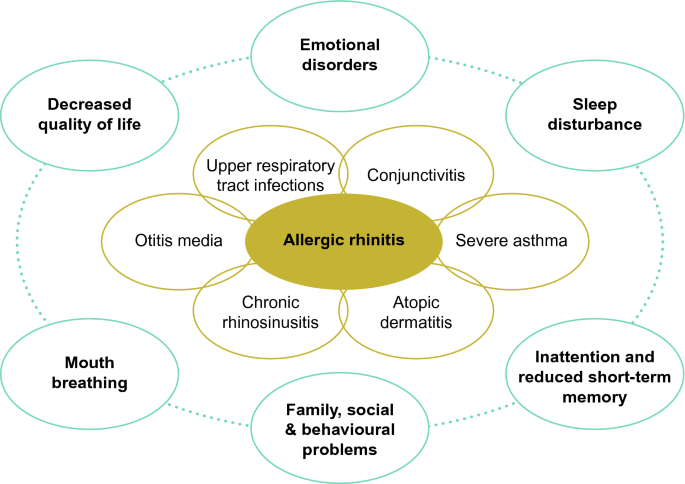
High-dose fexofenadine is generally well-tolerated, with most people experiencing only mild side effects. Common effects include headaches, fatigue, nausea, or mild stomach discomfort. These reactions are usually temporary and often resolve as the body adjusts to the medication. Rarely, patients may experience more severe reactions, which require immediate medical attention.
Online discussions, including forums like “fexofenadine 360 mg daily reddit,” indicate that patients typically report minimal drowsiness even at higher doses. This makes high-dose fexofenadine a viable option for people who cannot afford to be sedated during daily activities. Monitoring for unusual or persistent symptoms is crucial, and patients should seek medical advice if side effects worsen or interfere with daily life.
Interactions and Precautions
Fexofenadine may interact with certain medications, supplements, or antacids. Aluminium- or magnesium-containing antacids should not be taken around the same time as fexofenadine, as this can reduce absorption. Alcohol generally does not increase drowsiness, but combining multiple medications should always be done cautiously. Patients should discuss all current medications with their healthcare provider before starting fexofenadine 360 mg daily.
Pregnant or breastfeeding individuals should consult their doctor before taking high-dose fexofenadine, as the safety profile for these groups is not fully established. Long-term use of high doses requires regular monitoring to ensure ongoing safety and to adjust therapy if needed. Awareness of potential interactions helps prevent complications and ensures optimal treatment outcomes.
Conclusion
Fexofenadine 360 mg daily offers an effective solution for patients with severe allergies or chronic hives when standard doses fail to provide adequate relief. By following NHS guidance, observing dosage limits, and monitoring for side effects, patients can manage symptoms safely and effectively. High-dose fexofenadine should always be used under professional supervision, and consultation with a doctor is essential before making any changes to dosage. With careful use, this medication can significantly improve quality of life for allergy sufferers.
Frequently Asked Questions (FAQs)
Can I take two fexofenadine 180 mg tablets instead of one 360 mg dose?
Yes, two 180 mg tablets are equivalent to one 360 mg dose, but this should only be done under medical supervision to ensure safe and effective treatment.
What is the maximum dose of fexofenadine?
The standard maximum dose is 180 mg daily. Doses like 360 mg daily are considered high-dose therapy and are only recommended for severe cases under doctor supervision.
Is fexofenadine 360 mg daily safe for hayfever?
Yes, it can be used for severe hayfever when standard doses are insufficient, but monitoring and professional guidance are crucial to ensure safety.
What side effects should I expect at 360 mg daily?
Common side effects include mild headaches, fatigue, and nausea. Serious reactions are rare but should be reported to a healthcare professional immediately.
Can I take fexofenadine 360 mg daily long-term?
Long-term use is possible but requires regular check-ups to ensure continued effectiveness and safety. High-dose therapy is best managed by a doctor.
You may also read: Understanding the Occupational Health Report