Introduction
Anxiety is one of the most common mental health challenges in the UK, affecting millions of people across different age groups. Symptoms can range from persistent worry and restlessness to panic attacks and physical tension. For many patients, medication plays a crucial role in managing these symptoms. However, understanding anxiety medication side effects is vital for anyone considering treatment. Being informed helps patients weigh the benefits against potential risks and prepare for any reactions that may occur.
While some side effects are mild and temporary, others may require medical attention. Knowledge about these effects empowers patients to communicate effectively with healthcare providers, adjust lifestyle factors, and make safer choices regarding their treatment plan. This guide explores common, serious, and long-term side effects, along with practical strategies for UK patients to manage them safely.
What Are Anxiety Medications?
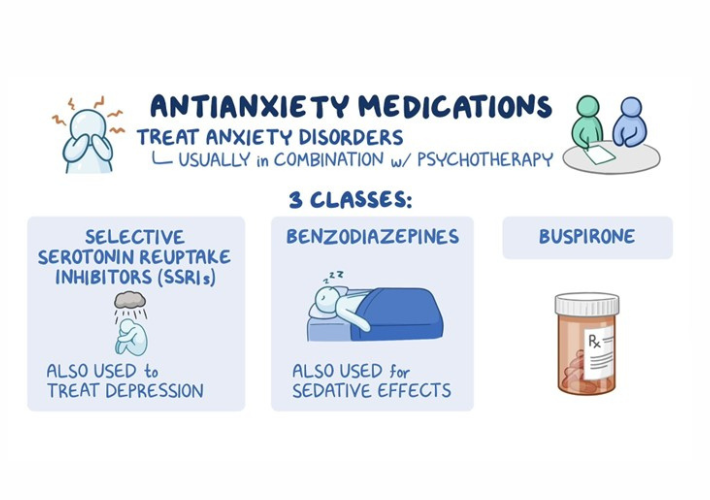
Anxiety medications are prescribed to help regulate the chemical processes in the brain that influence mood and stress responses. These medications aim to reduce symptoms like excessive worry, rapid heartbeat, and panic attacks. In the UK, doctors commonly prescribe SSRIs (Selective Serotonin Reuptake Inhibitors), such as Sertraline and Escitalopram, or SNRIs (Serotonin-Norepinephrine Reuptake Inhibitors) like Venlafaxine, which work by increasing the availability of mood-stabilizing neurotransmitters.
Other options include benzodiazepines like Diazepam or Lorazepam for short-term relief, beta-blockers such as Propranolol to manage physical symptoms like trembling or palpitations, and medications like Buspirone. Each type of medication has a distinct set of side effects, and knowing these differences allows patients to make informed decisions about which treatment may be best suited to their individual needs.
Common Anxiety Medication Side Effects
Most anxiety medications cause some side effects, though they vary depending on the type of drug and individual response. Common reactions include drowsiness, fatigue, dizziness, dry mouth, nausea, headaches, and changes in appetite or weight. Sexual side effects, including reduced libido or difficulty achieving orgasm, are frequently reported with SSRIs and SNRIs. These effects are generally mild and often resolve after the first few weeks as the body adjusts to the medication.
It is important for patients to monitor their reactions and discuss any persistent symptoms with their GP. Minor adjustments, such as taking medications at the same time daily, staying well-hydrated, and maintaining regular sleep and exercise routines, can significantly reduce discomfort. Understanding these common side effects helps patients continue treatment confidently without unnecessary concern.
Serious Side Effects to Watch For
While most side effects are manageable, some can be severe and require immediate medical attention. Serious reactions include allergic responses, such as swelling, rash, or difficulty breathing, as well as mental changes, including hallucinations, confusion, or sudden mood swings. Physical complications, like abnormal heart rhythms, high blood pressure, or increased bleeding risk with SSRIs, are also possible.
UK patients should contact their GP or pharmacist immediately if these symptoms occur. Early intervention ensures that medications remain safe and effective while preventing complications. Knowing the difference between minor and serious side effects empowers patients to act quickly and protect their health.
Long-Term Effects of Anxiety Medications
Long-term use of some anxiety medications can present additional considerations. Benzodiazepines, for example, may lead to dependence, withdrawal symptoms, and cognitive effects such as memory or concentration issues. Prolonged use of SSRIs may cause metabolic changes, including weight gain, increased appetite, or, in rare cases, elevated blood sugar. Being aware of these potential effects allows patients to make informed decisions alongside their healthcare provider.
Regular monitoring, dose adjustments, and periodic medication reviews are recommended to minimize long-term risks. UK patients should also follow NHS guidance and avoid abrupt discontinuation of medications, as stopping certain drugs suddenly can trigger withdrawal symptoms and worsen anxiety.
Managing Side Effects Safely
Managing side effects requires a proactive and informed approach. Open communication with a GP is essential to address any ongoing or troubling symptoms. Patients can reduce side effects through lifestyle adjustments, such as exercising regularly, maintaining a healthy diet, getting sufficient sleep, and taking medications with food when appropriate. These strategies help the body adapt to the medication more comfortably.
Combining medication with therapy, such as Cognitive Behavioral Therapy (CBT), can enhance treatment outcomes and reduce reliance on drugs. Monitoring side effects over time and reporting any changes to a healthcare provider ensures that the treatment plan remains safe and effective. UK patients benefit from following local guidance and using resources available through the NHS to stay informed.
Differences by Medication Type
Different categories of anxiety medications come with distinct side effect profiles. SSRIs and SNRIs are generally well-tolerated for long-term use but can cause nausea, headaches, and sexual dysfunction. Benzodiazepines provide rapid symptom relief but carry risks of sedation, dependence, and memory impairment. Beta-blockers primarily target physical symptoms and may cause fatigue, dizziness, or cold extremities. Buspirone can result in headaches, nausea, or occasional irritability.
Understanding these differences allows patients to anticipate potential reactions and make informed decisions with their healthcare providers. Comparing medications in a table format can simplify this process, helping patients and GPs discuss treatment options efficiently.
Special Considerations for UK Patients
UK patients have access to NHS guidance, which provides clear recommendations for prescribing anxiety medications safely. Age, pre-existing health conditions, and lifestyle factors are considered when choosing the appropriate medication. Older adults, for example, are particularly vulnerable to sedation and falls from benzodiazepines. Alcohol, over-the-counter drugs, and supplements can interact with prescribed medications, increasing the likelihood of side effects.
Following NHS guidelines ensures that medications are used safely and effectively. Patients are encouraged to attend regular check-ups, communicate openly with their GP, and understand local protocols for managing side effects. Being informed about UK-specific guidance supports better outcomes and reduces risks associated with anxiety treatment.
Conclusion
Understanding anxiety medication side effects is essential for safe and effective treatment. While many side effects are mild and temporary, others may require medical attention or ongoing monitoring. Being informed helps patients make decisions that balance the benefits of medication with potential risks.
By staying proactive, maintaining regular communication with healthcare providers, and following UK NHS guidance, patients can manage side effects effectively while achieving the therapeutic benefits of anxiety treatment. Personalized care, ongoing monitoring, and awareness of both short-term and long-term effects are the keys to successful outcomes.
FAQs
What are the most common side effects of anxiety medication?
Common side effects include drowsiness, dizziness, fatigue, nausea, dry mouth, headaches, and sexual dysfunction. Most of these symptoms are temporary and subside as the body adjusts.
Can anxiety medication cause long-term problems?
Certain medications, especially benzodiazepines, may cause dependence, withdrawal symptoms, or cognitive issues if used long-term. SSRIs may occasionally cause weight gain or metabolic changes over prolonged use.
How can I reduce side effects from my anxiety medication?
Taking medication at consistent times, adjusting dosage under medical supervision, maintaining a healthy lifestyle, and combining treatment with therapy can reduce side effects.
Are some anxiety medications safer than others?
SSRIs and SNRIs are generally safer for long-term use. Benzodiazepines are effective short-term but have higher dependence and withdrawal risks. Beta-blockers and Buspirone have unique profiles affecting physical and cognitive symptoms differently.
When should I contact a doctor about side effects?
Seek immediate attention for severe reactions such as difficulty breathing, swelling, confusion, hallucinations, or major physical changes. Minor side effects should also be discussed if persistent or worsening.
Can I take anxiety medication with alcohol?
Alcohol can amplify sedation, dizziness, and other side effects. Patients are generally advised to avoid alcohol unless specifically approved by their GP.
Do side effects go away over time?
Many side effects, such as mild nausea, fatigue, or dizziness, often improve after a few weeks as the body adjusts to the medication.
You may also read: Aromatherapy and Other Alternative Therapies