Introduction
Depression is a widespread mental health condition that affects millions globally, influencing thoughts, emotions, and everyday functioning. It is more than occasional sadness—it can cause persistent low mood, fatigue, loss of interest, and difficulty coping with daily life. Recognizing the importance of professional help, depression therapy methods offer structured approaches that help individuals regain emotional stability and improve overall mental well-being. These therapies are designed to target underlying causes and equip people with practical tools to manage their symptoms effectively.
The journey toward recovery is often most successful when therapy is combined with lifestyle adjustments and personalized strategies. By understanding the most effective treatment options, individuals can make informed decisions, explore evidence-based therapies, and find approaches that resonate with their unique needs. Early intervention, consistency, and guidance from qualified professionals increase the likelihood of long-term improvement and emotional resilience.
Understanding Depression and Its Impact
Depression is a complex mental health condition that can affect every aspect of life, including work, relationships, and physical health. Symptoms can range from prolonged sadness and lack of motivation to changes in sleep, appetite, and cognitive function. Major depressive disorder, persistent depressive disorder, and seasonal affective disorder are common types, each requiring careful assessment to ensure the appropriate therapeutic approach is used. Understanding the nature of depression is the first step toward seeking effective support and meaningful recovery.
Beyond the physical and emotional symptoms, depression often impacts social connections and daily routines. Many individuals feel isolated or misunderstood, which can exacerbate the condition and make recovery more challenging. Evidence-based depression therapy methods help break this cycle by providing structured interventions and coping strategies. By addressing both emotional and practical challenges, therapy empowers individuals to regain control over their lives and build resilience against future episodes.
Core Evidence-Based Depression Therapy Methods
Cognitive Behavioral Therapy (CBT) is one of the most effective and widely researched depression therapy methods. It focuses on identifying negative thought patterns and replacing them with healthier, constructive ways of thinking. CBT typically involves a series of structured sessions where individuals learn to recognize triggers, challenge distorted beliefs, and implement practical strategies to improve mood. Research consistently shows that CBT can significantly reduce depressive symptoms and improve overall emotional functioning.
Interpersonal Therapy (IPT) is another evidence-based approach that focuses on improving relationships and social interactions as a means to reduce depression. It helps individuals identify and resolve conflicts, enhance communication, and strengthen support systems. IPT is particularly beneficial for people whose depression is closely tied to personal or relational challenges. By addressing these interpersonal factors, individuals gain practical tools to navigate relationships and reduce emotional distress.
Behavioral Activation (BA) encourages individuals to re-engage in meaningful activities and pleasurable experiences. Depression often leads to withdrawal and inactivity, which can worsen low mood and feelings of isolation. BA gradually increases engagement in positive activities, which can improve energy levels, motivation, and overall emotional well-being. This approach is highly effective when combined with other evidence-based therapies.
Mindfulness-Based Cognitive Therapy (MBCT) integrates mindfulness practices with traditional cognitive therapy techniques. Through meditation, awareness exercises, and reflective practices, MBCT helps individuals observe their thoughts without judgment and prevents rumination—a common factor in depression. Studies indicate that MBCT is particularly effective for preventing relapse in people with recurrent depression, offering a long-term strategy for maintaining emotional stability.
Psychodynamic Therapy explores the unconscious mind and past experiences that may influence current emotions and behaviors. By uncovering unresolved issues and understanding their impact on present-day thinking, individuals can develop insight and healthier coping strategies. Psychodynamic approaches provide a deeper understanding of the roots of depression and support long-term emotional growth.
Complementary and Alternative Therapy Options
In addition to core therapies, complementary approaches can enhance treatment outcomes and provide additional support. Problem-Solving Therapy focuses on improving an individual’s ability to manage stressful situations and make practical decisions. This method helps reduce feelings of helplessness and encourages proactive problem-solving skills, which are essential for managing depression effectively.
Group therapy and support groups offer individuals a sense of connection and shared understanding. Being part of a group helps reduce isolation, normalize experiences, and provide a safe environment to express emotions. Family and marital therapy address relational dynamics that may contribute to depressive symptoms, fostering healthier communication and stronger support networks. Creative therapies, such as art or music therapy, can also provide emotional release and complement traditional interventions.
While these complementary approaches are not substitutes for evidence-based treatments, they can enhance the overall therapeutic experience. Integrating alternative therapies with core depression therapy methods can create a more comprehensive, personalized approach that addresses both emotional and practical needs, ultimately supporting better long-term outcomes.
How to Choose the Right Therapy Method
Choosing the most suitable therapy depends on factors such as the severity of depression, individual preferences, previous experiences, and the presence of other medical or mental health conditions. Consulting with a qualified mental health professional ensures that therapy is tailored to an individual’s unique needs. Professionals can provide guidance, assess progress, and make adjustments to ensure the chosen approach is effective.
Often, a combination of therapies produces the best results, addressing multiple aspects of depression simultaneously. For example, CBT may be combined with interpersonal strategies or mindfulness techniques to provide a well-rounded approach. Monitoring progress, setting realistic goals, and maintaining open communication with a therapist are key elements in maximizing the benefits of treatment and ensuring sustainable recovery.
The Role of Lifestyle and Self-Care in Therapy
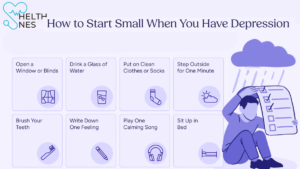
Lifestyle choices and self-care habits play a significant role in the effectiveness of depression therapy methods. Maintaining regular sleep patterns, engaging in consistent physical activity, and following a balanced diet all contribute to emotional stability. Additionally, practicing stress management techniques such as deep breathing, journaling, or meditation can enhance therapy outcomes and reduce symptom severity.
Social connections are equally important. Spending time with supportive friends and family can buffer against depressive episodes and reinforce positive behavioral patterns learned in therapy. Self-care is an essential complement to professional treatment and should be considered a vital component of any comprehensive depression management plan. By integrating lifestyle strategies, individuals can strengthen resilience and promote long-term mental wellness.
Online and Telehealth Depression Therapy
Telehealth and online therapy have become increasingly popular, offering accessible mental health support to people who may face barriers to in-person sessions. Online platforms provide flexibility, privacy, and convenience, allowing individuals to maintain consistent therapy schedules from home. Studies show that virtual therapy can be just as effective as traditional face-to-face sessions when conducted by licensed professionals.
Online therapy is particularly valuable for individuals in remote areas or those with limited mobility. It provides a timely solution for accessing professional support without delays, ensuring early intervention. Telehealth also allows for a broader selection of therapists, giving individuals more opportunities to find a professional whose approach and expertise align with their needs. When integrated with evidence-based therapy methods, online sessions can be a powerful tool in managing depression.
Combining Therapy With Medication
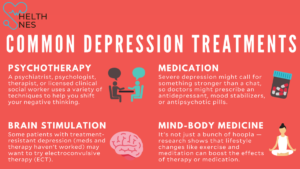
For moderate to severe depression, therapy alone may not always be sufficient. Antidepressant medications, including SSRIs and SNRIs, can help regulate brain chemistry and alleviate symptoms. Combining medication with structured depression therapy methods often provides faster relief, improves overall treatment outcomes, and reduces the risk of relapse.
A mental health professional can guide the appropriate combination of therapy and medication, adjusting doses and monitoring for side effects. This integrated approach ensures safety while maximizing the benefits of both interventions. Individuals may find that combining therapy with medication not only reduces depressive symptoms but also enhances their ability to implement the skills and strategies learned during sessions.
Conclusion
Depression therapy methods offer a range of evidence-based approaches to help individuals recover from depression and improve their mental health. Core therapies such as CBT, IPT, MBCT, and BA address emotional, cognitive, and behavioral challenges, while complementary methods enhance support and provide additional coping strategies. Personalized treatment plans, combined with lifestyle changes and professional guidance, can lead to lasting improvements and empower individuals to regain control over their lives. Early intervention and consistency remain critical to achieving long-term emotional well-being.
FAQs
What are the most effective depression therapy methods?
Cognitive Behavioral Therapy (CBT), Interpersonal Therapy (IPT), Mindfulness-Based Cognitive Therapy (MBCT), and Behavioral Activation (BA) are the most researched and effective evidence-based approaches for managing depression.
How long does therapy take to show results?
Most individuals notice improvements within 6–16 sessions, although progress can vary depending on severity, consistency, and the individual’s engagement with therapy strategies.
Can depression therapy be done online?
Yes, online therapy and telehealth sessions are effective alternatives to in-person therapy. Virtual sessions provide convenience, privacy, and accessibility without compromising quality of care.
Should therapy be combined with medication?
For moderate to severe depression, combining therapy with antidepressant medication often produces the best results. A mental health professional can determine the ideal combination safely.
Are alternative therapies effective?
Complementary therapies such as group therapy, art therapy, and problem-solving therapy can enhance treatment outcomes when used alongside evidence-based methods. They are most effective as part of a comprehensive treatment plan.
You may also read: Exercise and Physical Activity