Introduction
Depression can feel like an overwhelming weight that impacts every part of your life. From affecting your mood and motivation to influencing sleep patterns, energy levels, and relationships, its effects are far-reaching. Recovery may seem daunting, but with a structured approach and the right support, it is entirely possible. These depression recovery tips are designed to provide practical, actionable steps that help restore emotional balance, enhance mental wellbeing, and create a path toward long-term healing.
Understanding that recovery is a journey, not a race, is essential. Each person’s experience with depression is unique, and there is no one-size-fits-all solution. By combining professional guidance, lifestyle adjustments, and self-care practices, individuals can build a resilient foundation for improving mood, regaining energy, and gradually reclaiming control over their daily life. Patience and persistence are key components of this process.
Understanding Depression
Depression is more than temporary sadness; it is a mood disorder that affects thoughts, emotions, physical health, and overall functioning. Symptoms can include persistent low mood, fatigue, difficulty concentrating, disrupted sleep, and loss of interest in activities that once brought joy. Recognising these symptoms is the first step toward recovery. Understanding how depression operates allows you to implement depression recovery tips that are both realistic and effective.
There are different types of depression, including major depressive disorder, persistent depressive disorder, and seasonal affective disorder. Each type affects individuals differently and may require tailored strategies for recovery. Accepting that depression is a medical condition, not a personal weakness, helps reduce self-blame and encourages proactive steps toward healing. Knowledge and awareness form the foundation for building resilience and seeking appropriate support.
Seeking Professional Help
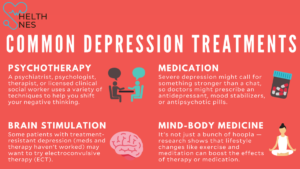
Professional support is crucial for effective recovery. Therapies such as Cognitive Behavioral Therapy (CBT), counselling, or online therapy provide tools to challenge negative thought patterns, manage emotions, and develop coping strategies. In some cases, antidepressant medications may be recommended under the guidance of a qualified mental health professional. Combining therapy with medication can accelerate recovery and provide a structured approach to managing symptoms.
Finding the right healthcare provider is essential for meaningful progress. In the UK, NHS mental health services, Mind UK, and other local resources offer access to trained therapists and counsellors. Early intervention is often the most effective, as it prevents symptoms from worsening and promotes faster recovery. Seeking professional help is a proactive step that complements lifestyle changes and supports sustainable mental wellbeing.
Establishing a Daily Routine
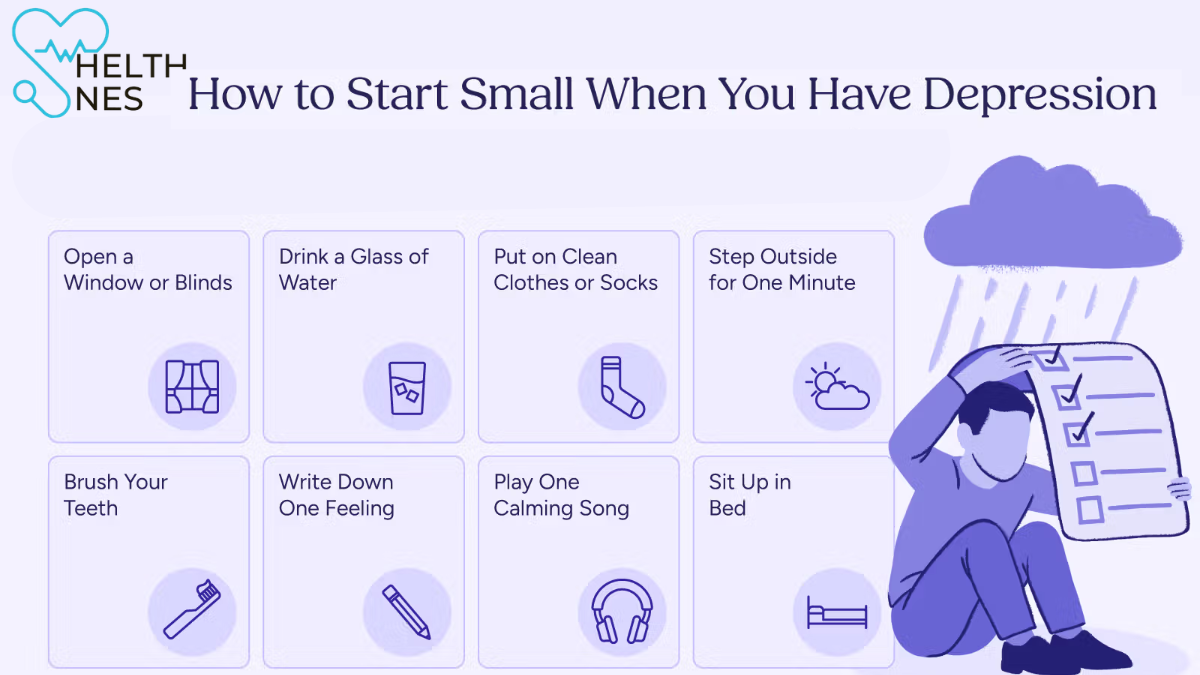
A structured daily routine can significantly improve mood and reduce feelings of chaos. Establishing consistent wake-up and sleep times, scheduling meals, and planning daily tasks create a sense of order and stability. Even small routines, such as morning walks or evening journaling, help regulate energy levels and provide mental clarity, making it easier to manage depressive symptoms.
Incorporating tools like planners, habit trackers, or smartphone apps can reinforce routine consistency. Gradually building habits and maintaining a predictable schedule reduces stress and provides a sense of accomplishment. Over time, following a structured routine becomes a powerful foundation for recovery, supporting other depression recovery tips such as physical activity, social connection, and self-care.
Staying Physically Active
Exercise plays a critical role in supporting mental health. Physical activity increases endorphins and neurotransmitters that naturally boost mood, reduce stress, and improve cognitive function. Simple exercises such as walking, yoga, swimming, or gentle stretching are highly effective for managing depressive symptoms, even when motivation feels low.
Setting realistic exercise goals is essential to prevent discouragement. Incorporating physical activity into a daily routine enhances sleep quality, energy levels, and emotional resilience. Consistent movement, even in small doses, complements professional treatment and other recovery strategies, making exercise one of the most effective depression recovery tips for supporting mental wellbeing.
Building a Support System
Isolation can intensify depression, making social support vital. Connecting with family, friends, or peer support groups offers emotional encouragement, perspective, and accountability. In the UK, organisations like Mind and Samaritans provide accessible platforms for sharing experiences and finding empathetic support. Feeling understood and connected reduces loneliness and promotes recovery.
Effective communication is critical in building and maintaining supportive relationships. Expressing needs, setting boundaries, and seeking help when necessary ensures that relationships remain positive and helpful. Engaging with a supportive network reinforces confidence, reduces stress, and enhances motivation, making social connection an essential component of depression recovery tips.
Mindful Eating and Nutrition
Diet directly influences mental wellbeing. Consuming a balanced diet rich in fruits, vegetables, lean proteins, and omega-3 fatty acids supports brain function and emotional stability. Limiting alcohol, caffeine, and processed foods helps prevent mood fluctuations, fatigue, and other depressive symptoms. Nutrition is a critical yet often overlooked component of recovery.
Mindful eating involves paying attention to hunger cues, enjoying meals without distraction, and planning regular, nutritious meals. Hydration and consistent meal timing support energy levels, cognitive clarity, and emotional resilience. Combined with other recovery strategies, a thoughtful approach to nutrition can significantly enhance mental health and complement other depression recovery tips.
Engaging in Hobbies and Meaningful Activities
Participating in hobbies and meaningful activities restores a sense of purpose and achievement. Engaging in creative pursuits like painting, music, or writing, or practical activities such as gardening and volunteering, provides structure, personal satisfaction, and emotional stimulation. Even when motivation feels low, starting with small steps can reignite interest and joy.
Hobbies also encourage social interaction, personal growth, and self-expression, which contribute to emotional resilience. By investing time in enjoyable and purposeful activities, individuals foster positivity and reduce negative thought patterns. Incorporating hobbies into daily life is a practical and effective way to apply depression recovery tips consistently.
Practising Self-Compassion and Patience
Recovery from depression is rarely linear, and setbacks are part of the journey. Practising self-compassion involves treating yourself with kindness, recognising your efforts, and reducing self-criticism. Mindfulness exercises, meditation, and positive affirmations can enhance emotional resilience and foster a healthier relationship with yourself.
Patience is equally important, as meaningful progress often takes weeks or months. Celebrating small achievements reinforces motivation and builds confidence. By consistently applying self-compassion and patience, individuals strengthen their ability to maintain progress and integrate other depression recovery tips into their daily lives effectively.
Avoiding Triggers and Negative Coping Mechanisms
Identifying triggers is essential for preventing relapses. Common triggers include stress, isolation, poor sleep, and unresolved emotional issues. Avoiding negative coping mechanisms such as alcohol, recreational drugs, or excessive social withdrawal is crucial, as these behaviors often worsen depressive symptoms.
Developing healthy alternatives, such as journaling, physical activity, or speaking with a supportive person, can replace harmful habits. Awareness of triggers combined with proactive strategies helps maintain emotional balance and complements other depression recovery tips, ensuring sustainable recovery and resilience.
Tracking Progress and Setting Realistic Goals
Monitoring recovery progress encourages accountability and highlights achievements. Journaling moods, symptoms, and triggers provides valuable insight into patterns and areas needing attention. Tracking progress allows individuals to celebrate small victories, which reinforces motivation and emotional resilience.
Setting achievable, realistic goals prevents overwhelm and encourages incremental improvements. Adjusting goals as recovery progresses ensures they remain relevant and attainable. Combining tracking with other recovery strategies, such as structured routines, social support, and exercise, provides a comprehensive approach to effective depression recovery tips.
Conclusion
Recovery from depression is a holistic process that combines professional support, structured routines, lifestyle adjustments, and self-compassion. By implementing these depression recovery tips, individuals can gradually regain mental wellbeing, improve mood, and restore a sense of control over their lives. Patience, consistency, and supportive relationships are vital for long-term success.
Small, consistent actions often create meaningful changes over time. By integrating these strategies into daily life, anyone can strengthen resilience, enhance emotional health, and move toward a brighter, more balanced future. Remember, recovery is possible, and every positive step counts.
FAQs
How long does depression recovery take?
Recovery varies between individuals. Some notice improvements within weeks, while others take several months. Combining professional therapy, lifestyle adjustments, and self-care increases the likelihood of sustained progress.
Can lifestyle changes alone help with depression?
While lifestyle changes support mental wellbeing, they are most effective when combined with therapy or professional treatment. Exercise, nutrition, and social support complement clinical approaches.
What daily habits support recovery?
Maintaining a structured routine, staying physically active, eating nutritiously, connecting socially, and engaging in hobbies are highly beneficial for recovery.
When should I seek urgent help?
Immediate professional support is necessary if experiencing self-harm thoughts, severe mood fluctuations, or inability to manage daily tasks.
Are there UK-specific resources for depression recovery?
Yes, NHS mental health services, Mind UK, Samaritans, and local counselling options offer practical guidance and support for those experiencing depression.
You may also read: Online and Telehealth Depression Therapy