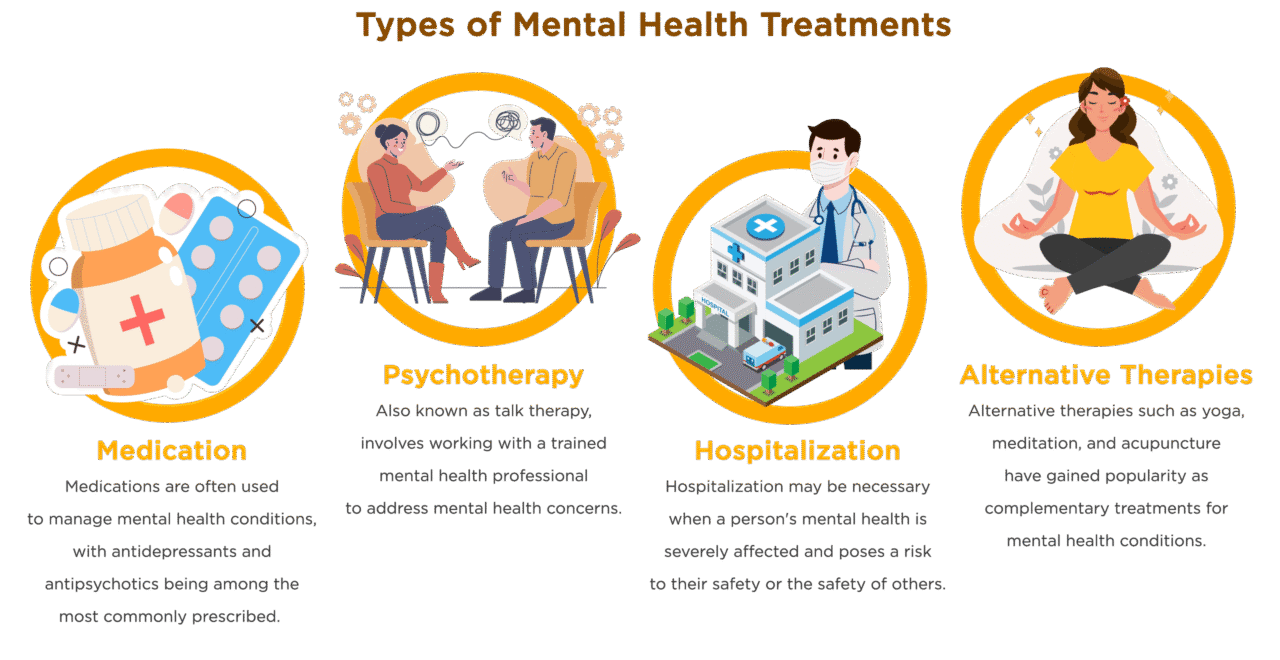
Types of therapy for mental health are structured approaches designed to support emotional, psychological, and behavioral well-being. These therapies provide safe spaces for individuals to explore their thoughts, feelings, and behaviors while learning effective coping strategies. Mental health therapy is not a one-size-fits-all solution; each approach targets specific challenges, such as anxiety, depression, trauma, or relationship difficulties. Understanding the variety of therapy types can empower individuals to choose the most suitable method for their unique needs.
Mental health therapies can be delivered in various formats, including individual sessions, group therapy, family therapy, or couples therapy. Some approaches focus on short-term solutions, while others involve long-term exploration of underlying patterns. With guidance from trained professionals, therapy helps individuals navigate life’s challenges, build resilience, and improve overall mental well-being.
Cognitive Behavioral Therapy (CBT)
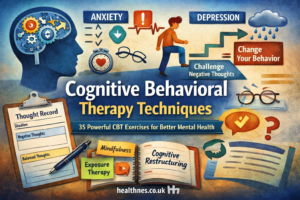
Cognitive Behavioral Therapy, commonly known as CBT, is one of the most widely practiced and effective types of therapy for mental health. CBT focuses on identifying negative thought patterns and replacing them with healthier, more constructive ways of thinking. By addressing distorted thinking and unhelpful behaviors, individuals can reduce symptoms of depression, anxiety, stress, and phobias. CBT is highly structured, often involving homework assignments and practical exercises that reinforce skills learned during therapy sessions.
This approach can be adapted for individuals, groups, or online therapy sessions, making it highly accessible. CBT emphasizes measurable outcomes and active participation, ensuring clients can track their progress and feel empowered in managing their mental health. Its evidence-based nature makes CBT a top recommendation by mental health professionals worldwide.
Dialectical Behavior Therapy (DBT)
Dialectical Behavior Therapy (DBT) is a specialized form of CBT that helps individuals with intense emotions or self-destructive behaviors. DBT combines mindfulness, emotional regulation, distress tolerance, and interpersonal effectiveness skills. It is particularly useful for conditions such as borderline personality disorder, chronic depression, or trauma-related disorders. By teaching clients how to accept their feelings while making meaningful changes, DBT promotes emotional stability and self-compassion.
DBT often involves individual therapy, skills training groups, and phone coaching for additional support. The structured nature of DBT provides tools for managing crisis situations and long-term emotional challenges. Many clients find that the combination of acceptance and change fosters resilience and helps them develop healthier relationships with themselves and others.
Acceptance and Commitment Therapy (ACT)
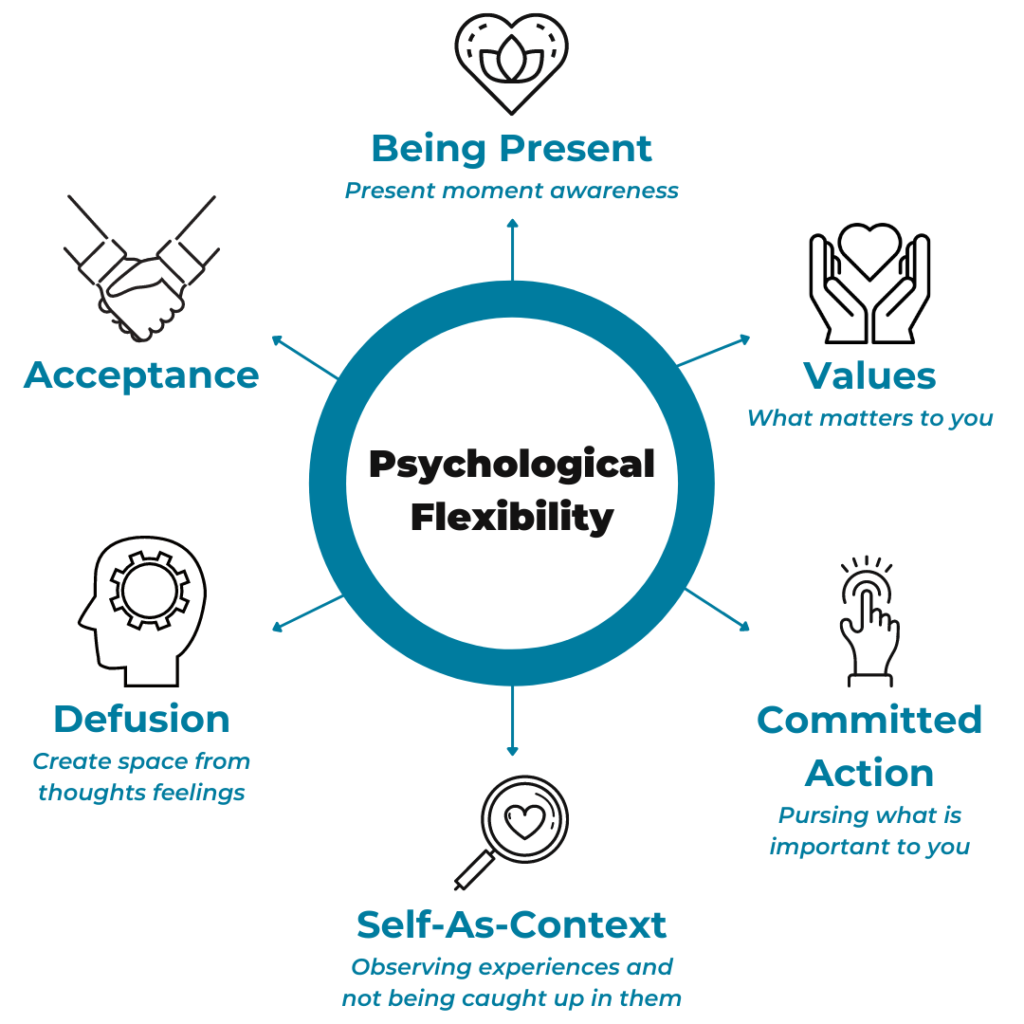
Acceptance and Commitment Therapy (ACT) is a mindfulness-based approach that helps individuals accept difficult thoughts and emotions rather than trying to suppress them. ACT encourages clients to focus on their values and commit to actions aligned with what matters most in their lives. By increasing psychological flexibility, individuals can better cope with anxiety, depression, stress, and other mental health challenges while living a meaningful life.
ACT involves practical exercises, mindfulness practices, and behavioral strategies designed to enhance awareness and intentional action. This therapy is highly adaptable and can be integrated with other treatment approaches. ACT empowers clients to embrace challenges without avoidance, promoting emotional resilience and long-term mental wellness.
Psychodynamic Therapy
Psychodynamic therapy focuses on exploring unconscious patterns, early life experiences, and interpersonal relationships that influence current behavior and emotional health. By understanding the root causes of feelings and behaviors, clients gain insight into their emotional responses and can develop healthier coping mechanisms. Psychodynamic therapy is particularly beneficial for anxiety, depression, and unresolved trauma.
Sessions are usually longer-term and emphasize reflection, exploration, and self-awareness. The process helps individuals identify recurring patterns in relationships and behavior, leading to deeper understanding and personal growth. Psychodynamic therapy is ideal for those seeking a comprehensive approach to uncover and address complex emotional challenges.
Humanistic and Creative Therapies
Humanistic therapies, including person-centered and existential approaches, emphasize self-exploration, personal growth, and discovering life’s meaning. These therapies encourage individuals to take responsibility for their choices while cultivating self-compassion and confidence. By focusing on strengths rather than limitations, humanistic therapy promotes emotional healing and personal empowerment.
Creative therapies, such as art, music, or drama therapy, allow clients to express emotions that may be difficult to articulate verbally. These approaches provide alternative ways to process experiences and improve mental health. Creative therapies are particularly beneficial for children, individuals experiencing trauma, or anyone seeking innovative ways to connect with their emotions. Often, these therapies complement traditional approaches, offering a well-rounded treatment plan.
Group, Family, and Couples Therapy
Group therapy provides a supportive environment where individuals can share experiences, reduce feelings of isolation, and gain perspective from others facing similar challenges. Family and couples therapy focus on improving communication, resolving conflicts, and strengthening relationships. These types of therapy for mental health recognize that social connections and interpersonal dynamics play a crucial role in emotional well-being.
Therapists guide participants in developing empathy, problem-solving skills, and constructive communication strategies. These sessions can lead to improved relationships, reduced stress, and healthier family dynamics. Combining individual therapy with group or family sessions can enhance the overall effectiveness of treatment and create a strong support network for long-term mental health.
How to Choose the Right Therapy
Choosing the right type of therapy depends on personal needs, the nature of mental health concerns, and individual preferences. Consulting a licensed mental health professional is essential for selecting the most effective approach. Factors to consider include therapy goals, the duration of treatment, the client-therapist relationship, and evidence-based effectiveness for specific conditions.
Researching different therapy types, asking questions during consultations, and understanding the expected outcomes can help individuals make informed decisions. Being open to trying multiple approaches or integrating therapies may also improve results. Ultimately, the best therapy is one that aligns with personal goals, provides measurable benefits, and fosters a safe and supportive environment for growth.
Benefits of Evidence-Based Therapies
Evidence-based therapies, such as CBT, DBT, and ACT, have been rigorously tested and proven effective for various mental health conditions. These therapies provide structured, goal-oriented approaches that maximize results. Clients benefit from predictable methods, measurable progress, and strategies backed by scientific research, ensuring reliability and safety in treatment.
Beyond symptom reduction, evidence-based therapies enhance coping skills, self-awareness, and emotional resilience. They provide tools for managing future challenges, reducing the risk of relapse, and promoting overall well-being. Combining evidence-based therapies with supportive approaches, such as humanistic or creative therapies, can create a comprehensive and personalized treatment plan.
Conclusion
Types of therapy for mental health offer a wide range of evidence-based options to address emotional, cognitive, and behavioral challenges. From CBT and DBT to ACT, psychodynamic, humanistic, and creative approaches, each therapy type provides unique strategies for healing, growth, and resilience. Exploring the right therapy can empower individuals to overcome challenges, build stronger relationships, and achieve lasting mental wellness.
Selecting the appropriate therapy requires understanding personal needs, consulting qualified professionals, and considering available evidence-based approaches. By taking proactive steps and engaging in therapy, individuals can experience meaningful improvements in mental health, enhancing quality of life and emotional balance for the long term.
FAQs
What type of therapy is best for mental health?
The most effective therapy depends on individual needs. CBT is excellent for anxiety and depression, DBT helps regulate emotions, and ACT supports mindfulness and values-driven living. Choosing the right approach involves consulting a mental health professional.
How many types of therapy for mental health exist?
There are numerous therapy types, including CBT, DBT, ACT, psychodynamic therapy, humanistic therapy, creative therapies, and group, family, or couples therapy. Each approach addresses different emotional and behavioral challenges.
Can therapy be done online?
Yes. Many evidence-based therapies, including CBT and ACT, are offered through online platforms. Virtual sessions increase accessibility for those unable to attend in person, without compromising treatment quality.
How long does mental health therapy take?
Therapy duration varies. Short-term therapies like CBT or ACT may last 8–20 sessions, while long-term psychodynamic or humanistic therapy may continue for months or years depending on client goals and progress.
Are creative therapies effective for mental health?
Absolutely. Art, music, and drama therapies help individuals express emotions non-verbally, process trauma, and improve mental well-being. They are often combined with other evidence-based therapies for comprehensive care.
You may also read: 24/7 Crisis Support Services in the UK