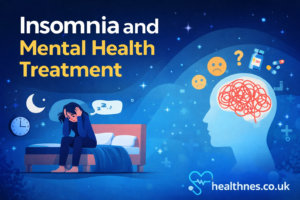
Sleep is not just a period of rest; it is a vital process that impacts every aspect of our mental and emotional health. Studies consistently show that poor sleep quality or chronic sleep deprivation can intensify symptoms of anxiety and depression, disrupt emotional regulation, and impair cognitive performance. Understanding how sleep affects anxiety and depression is crucial because these conditions often interact with sleep problems in a cycle that can be difficult to break without intervention. Prioritizing sleep is an essential step in improving overall mental well-being.
The modern world often undervalues sleep, treating it as optional rather than essential. However, research from institutions like Columbia University and Stanford Medicine highlights that insufficient sleep can worsen irritability, stress response, and emotional instability. By understanding the science behind sleep and mental health, individuals can take practical steps to improve their rest, reduce anxiety, and manage depressive symptoms. Quality sleep is foundational, acting as both a preventive and therapeutic measure for mental health challenges.
The Link Between Sleep and Mental Health
Sleep and mental health share a complex, bidirectional relationship. Poor sleep increases vulnerability to mood disorders, while anxiety and depression themselves can interfere with the ability to fall and stay asleep. Studies indicate that individuals suffering from insomnia or fragmented sleep are significantly more likely to experience severe anxiety and depressive symptoms. By recognizing how sleep affects anxiety and depression, we gain insight into the importance of restorative sleep for emotional resilience and cognitive function.
Adequate sleep helps the brain process emotional experiences, regulate stress hormones, and maintain neurochemical balance. When sleep is disrupted, the ability to manage stress and emotional reactions diminishes, creating a feedback loop where anxiety or depression perpetuates insomnia, and insomnia, in turn, worsens mental health. A strong understanding of this cycle empowers individuals to implement lifestyle and therapeutic strategies to restore healthy sleep patterns and improve mood stability.
How Poor Sleep Impacts Anxiety and Depression
Poor sleep can profoundly affect both anxiety and depression. Sleep deprivation amplifies irritability, mood swings, and emotional sensitivity, leaving individuals less capable of coping with daily stressors. Cognitive functions like attention, memory, and decision-making are also impaired, making routine tasks feel overwhelming and increasing feelings of frustration. Chronic lack of sleep can gradually erode emotional resilience, making it harder to manage anxiety triggers or depressive thoughts.
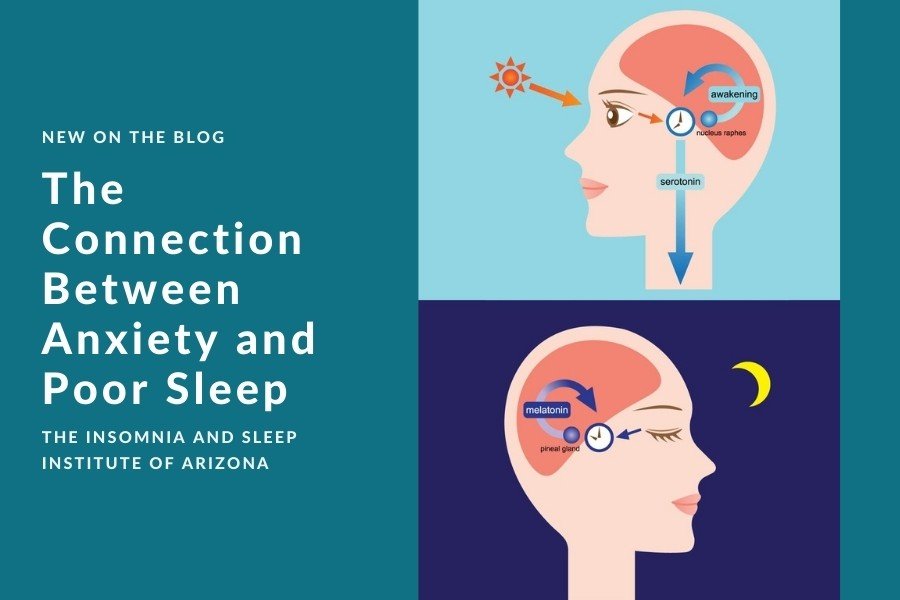
In addition to cognitive and emotional effects, poor sleep affects the body biologically. Elevated cortisol levels from sleep deprivation heighten stress responses, while reduced serotonin receptor sensitivity contributes to depressive moods. Over time, these disruptions reinforce a cycle where mental health symptoms and sleep difficulties continually exacerbate one another. Recognizing how sleep affects anxiety and depression highlights the importance of addressing sleep quality as a core part of mental health care.
Biological Mechanisms: Why Sleep Matters for the Brain
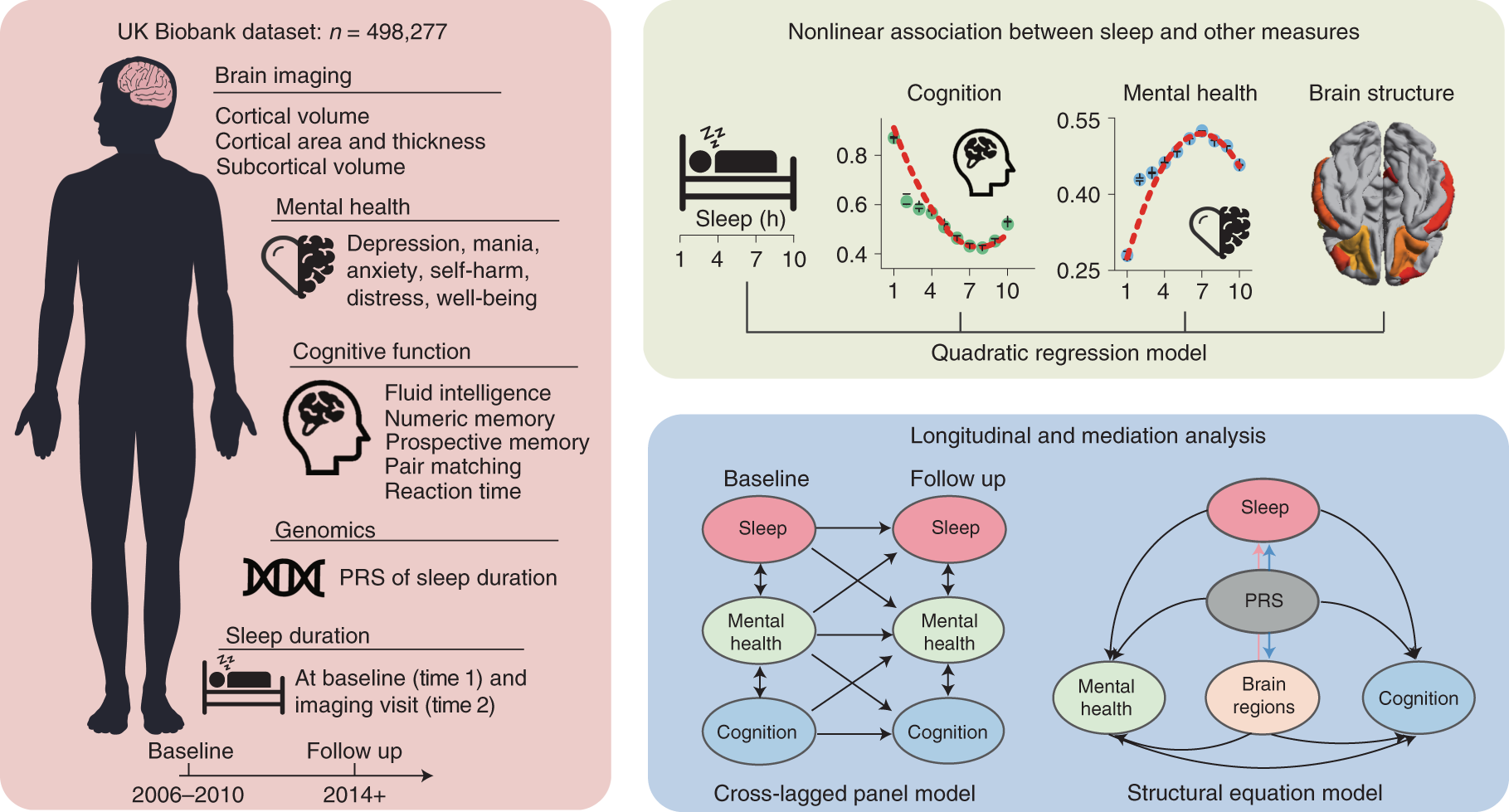
Sleep plays a critical role in regulating brain chemistry and maintaining neural balance. Cortisol, the body’s primary stress hormone, is tightly controlled during sleep; disruptions lead to higher morning cortisol levels, increasing anxiety and stress throughout the day. Similarly, neurotransmitters like serotonin, which influence mood and emotional regulation, are less responsive when sleep is insufficient, making depressive symptoms more pronounced. The amygdala and prefrontal cortex, regions responsible for emotional processing, are particularly vulnerable to sleep loss, explaining why mental health struggles often coincide with chronic insomnia.
These biological mechanisms demonstrate that sleep is not merely restorative but actively supports emotional and cognitive regulation. Deep and REM sleep stages help the brain consolidate memories, process emotions, and recalibrate stress responses. Without these critical processes, negative emotions can accumulate, decision-making falters, and overall mental health declines. Understanding these mechanisms reinforces why how sleep affects anxiety and depression is a vital consideration in developing strategies for mental well-being.
The Role of REM Sleep in Emotional Regulation
REM sleep is particularly essential for emotional health because it processes daily experiences and regulates mood. During REM sleep, the brain integrates emotional events, helping reduce the intensity of negative feelings. When REM sleep is insufficient, negative emotions persist and can contribute to heightened anxiety and depression. Essentially, REM sleep serves as the brain’s natural emotional therapy, allowing individuals to process stressors and maintain emotional balance.
A lack of REM sleep can exacerbate mood disorders by preventing the brain from resolving emotional conflicts. Nighttime processing of stress and emotional experiences is critical for daytime functioning, and without it, anxiety triggers may feel more overwhelming, while depressive symptoms can intensify. By focusing on improving REM sleep through healthy sleep hygiene and therapeutic approaches, individuals can directly impact their mental health, highlighting the intricate connection between sleep and emotional well-being.
Common Sleep Disorders That Worsen Anxiety and Depression
Several sleep disorders significantly affect mental health. Insomnia, the inability to fall or stay asleep, directly amplifies anxiety and depressive symptoms. Sleep apnea, which causes disrupted breathing during sleep, can lead to chronic fatigue and irritability, further aggravating mood disorders. Conditions such as restless leg syndrome and frequent nightmares interrupt sleep cycles, preventing restorative rest and contributing to heightened emotional sensitivity.
Recognizing and addressing these disorders is a critical step in breaking the cycle of poor sleep and declining mental health. Treatments vary from behavioral therapies like CBT-I to medical interventions, depending on the underlying disorder. By understanding how sleep affects anxiety and depression in the context of specific sleep conditions, individuals can take informed steps toward achieving consistent, restorative sleep that supports emotional stability and overall well-being.
Strategies to Improve Sleep and Reduce Mental Health Symptoms
There are effective strategies to enhance sleep quality and mitigate mental health symptoms. Cognitive Behavioral Therapy for Insomnia (CBT-I) is highly effective in treating chronic sleep issues by addressing negative thought patterns and sleep-related anxiety. Additionally, relaxation techniques such as mindfulness meditation, deep breathing exercises, and progressive muscle relaxation before bedtime help calm the nervous system, promoting deeper, uninterrupted sleep.
Establishing a consistent sleep routine, limiting exposure to artificial light before bed, and creating a sleep-conducive environment are also critical. Small adjustments, like reducing noise and keeping the bedroom cool and dark, can have a profound impact on sleep quality. By combining these strategies, individuals can directly influence how sleep affects anxiety and depression, improving mood, focus, and resilience over time.
Lifestyle Changes to Support Healthy Sleep
Daily lifestyle choices play a major role in sleep quality and mental health. Regular physical activity has been shown to enhance sleep duration and depth while reducing anxiety and depressive symptoms. Nutrition also matters; consuming a balanced diet rich in vitamins and minerals supports brain health and hormone regulation, which are essential for restful sleep.
Limiting stimulants like caffeine and alcohol, reducing screen time before bed, and practicing relaxation routines further enhance sleep quality. These adjustments create a holistic approach to mental well-being, addressing both lifestyle and physiological factors. Understanding how sleep affects anxiety and depression empowers individuals to implement long-term strategies that improve both sleep and emotional health simultaneously.
When to Seek Professional Help
Persistent sleep difficulties or severe mental health symptoms warrant professional evaluation. Sleep specialists and mental health professionals can identify underlying disorders, recommend therapies, and provide targeted treatments such as CBT-I, medications, or combined interventions. Early intervention prevents sleep issues from worsening anxiety or depression and helps individuals regain control over their emotional health.
Knowing the signs of critical sleep disruption—such as chronic insomnia, daytime fatigue, or intensified mood swings—enables timely consultation with professionals. By prioritizing sleep as part of mental health care, individuals can break the cycle of poor rest and emotional distress. Awareness of how sleep affects anxiety and depression encourages proactive management and long-term emotional stability.
Conclusion
Sleep is a cornerstone of mental health, directly influencing mood, cognitive function, and stress resilience. Poor sleep can exacerbate anxiety and depression, creating a vicious cycle that is challenging to overcome without intervention. Prioritizing restorative sleep through lifestyle changes, therapeutic techniques, and professional support can significantly improve emotional regulation and overall mental well-being. Understanding how sleep affects anxiety and depression is a crucial step toward achieving lasting mental and emotional health.
FAQs
Can poor sleep cause anxiety and depression?
Yes, chronic sleep deprivation increases stress levels and irritability, making individuals more vulnerable to both anxiety and depression.
How many hours of sleep are optimal for mental health?
Adults typically need 7–9 hours of quality sleep each night to support emotional stability, cognitive function, and stress management.
Can improving sleep reduce anxiety and depressive symptoms?
Absolutely. Effective sleep strategies, including CBT-I, relaxation techniques, and consistent routines, can significantly improve mental health outcomes.
What is REM sleep, and why is it important?
REM sleep helps process emotional experiences, regulate mood, and consolidate memories. Lack of REM sleep can worsen negative emotions and stress.
When should I consult a professional about sleep problems?
If sleep disturbances persist for weeks, affect daily functioning, or worsen anxiety or depression, seeking help from a specialist is recommended.
You may also read: Common Sleep Disorders That Affect Mental Health