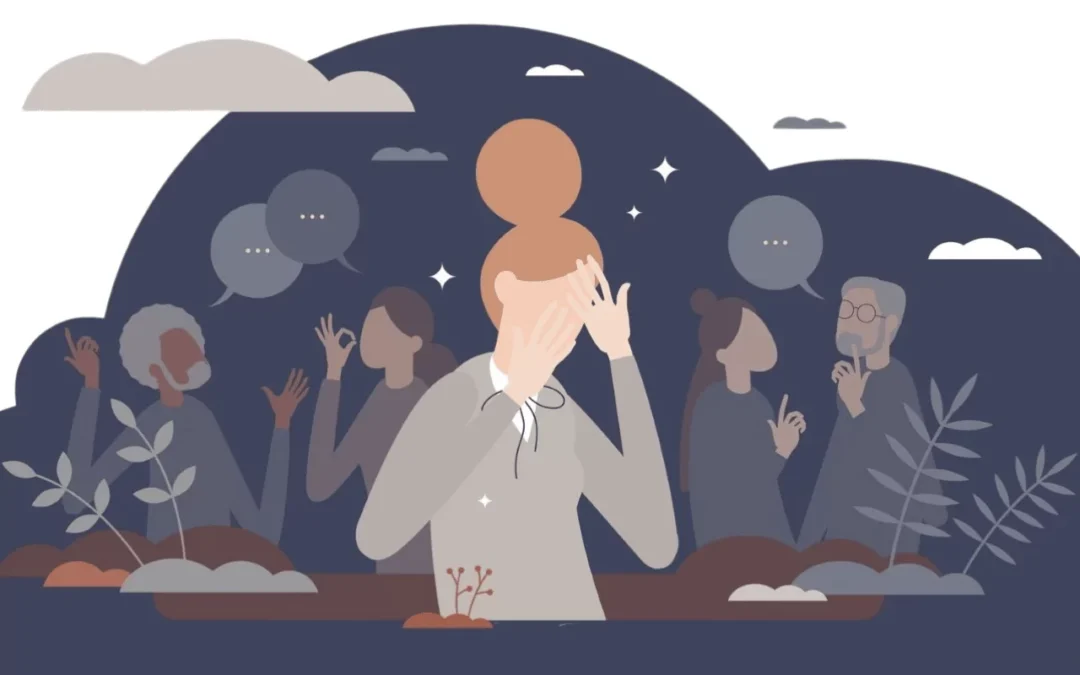
Social anxiety can make even the simplest conversations feel daunting. When speaking to others, people with social anxiety often worry about being judged, saying the wrong thing, or making a negative impression. These fears can prevent meaningful connections and create frustration in daily life. The good news is that social anxiety does not have to define your interactions. By learning effective communication tips for social anxiety, you can gradually build confidence and approach conversations with ease.
Improving communication is not about achieving perfection; it’s about creating comfort and connection. Practicing small steps consistently allows individuals to manage anxiety and develop a sense of control during interactions. Whether it’s greeting a coworker, chatting with a barista, or engaging in small talk at social events, these strategies empower you to communicate more effectively and enjoy social engagement.
Understanding Social Anxiety and Its Impact on Communication
Social anxiety is more than occasional nervousness—it’s a persistent fear of judgment or criticism in social situations. People with social anxiety often overthink their words and actions, which can make conversations stressful and exhausting. This can manifest in physical symptoms like sweating, trembling, or a racing heart, which can make social interactions feel even more intimidating. Understanding these challenges is essential for creating practical strategies that reduce anxiety.
The impact of social anxiety on communication goes beyond feeling shy or awkward. It can affect relationships, work performance, and even personal growth. By acknowledging these challenges, you can approach conversations with a proactive mindset rather than avoidance. Learning to navigate these interactions through actionable Communication Tips for Social Anxiety allows you to build meaningful connections without being overwhelmed by fear.
Preparing Yourself Before a Conversation
Preparation plays a crucial role in managing social anxiety. Mentally preparing before a conversation can reduce fear and provide a sense of control. Techniques such as deep breathing, positive self-talk, and visualization of successful interactions help calm nerves and enhance confidence. Setting small, achievable goals—like saying hello to someone or asking a simple question—can also create manageable steps toward improvement.
In addition to mental preparation, planning conversation topics in advance can ease anxiety. Having a few open-ended questions or discussion points ready allows you to keep the dialogue flowing naturally. Simple topics such as hobbies, current events, or shared interests provide a foundation for meaningful interaction. Preparing in advance ensures that even if anxiety arises, you have the tools to remain composed and engaged.
Active Listening and Non-Verbal Communication
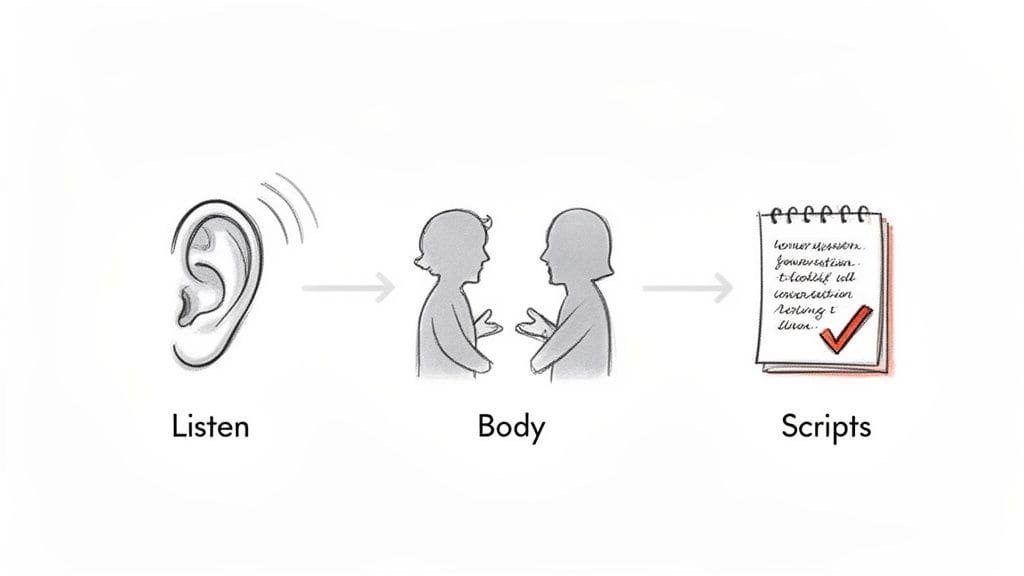
Active listening is one of the most effective strategies for improving communication for people with social anxiety. By focusing on the other person rather than your own fears, you create a more genuine connection. This involves nodding, offering verbal acknowledgments like “I see” or “That’s interesting,” and responding thoughtfully to the conversation. Engaging fully in the moment helps reduce self-conscious thoughts and encourages a more natural flow of dialogue.
Non-verbal communication is equally important. Your posture, gestures, and facial expressions convey confidence even when words may feel challenging. Maintaining relaxed body language, comfortable eye contact, and a friendly smile can make both you and the other person feel at ease. These subtle cues enhance your ability to connect while reinforcing your own sense of presence and calm during interactions.
Using Open-Ended Questions and Conversation Starters
Open-ended questions are a powerful tool in overcoming conversational anxiety. Unlike yes-or-no questions, they invite the other person to elaborate, creating opportunities for meaningful dialogue. Examples include asking about recent experiences, hobbies, or opinions, which encourage the conversation to progress naturally and reduce awkward pauses.
Starting conversations with simple observations or compliments can also ease tension. Mentioning something about your surroundings or offering a genuine compliment provides a natural opening for dialogue. Combining these techniques with thoughtful elaboration on your responses helps create richer interactions. Practicing these strategies regularly builds confidence and reduces the fear of running out of things to say.
Managing Anxiety During Conversations
Even with preparation, anxiety can appear during conversations. Accepting that moments of nervousness are normal allows you to remain calm and composed. Techniques such as slow breathing, pausing before responding, and focusing on the present moment help manage anxious thoughts. Shifting your focus from performance to connection makes interactions feel more natural and less intimidating.
Humor can be another useful tool in managing anxiety. Light-hearted comments or gentle jokes create a more relaxed atmosphere and reduce tension for both parties. Embracing imperfection and allowing conversations to unfold organically builds confidence over time. These approaches, combined with consistent practice, help transform stressful interactions into manageable and even enjoyable experiences.
Practicing Social Skills in Safe Environments
Practice is essential for developing strong communication skills. Role-playing scenarios with trusted friends or family provides a safe environment to rehearse responses and refine body language. Joining support groups or attending workshops for social anxiety allows you to interact with others who understand similar challenges, making it easier to gain confidence without judgment.
Gradual exposure to real-life social situations is highly effective. Start with low-pressure interactions, such as short conversations with acquaintances, and progressively engage in more complex scenarios. Keeping track of progress and celebrating small wins reinforces positive behavior. By practicing consistently, these communication tips for social anxiety become natural habits, making social interactions less intimidating over time.
Seeking Professional Support When Needed
While self-practice is effective, professional support can accelerate progress. Therapists, particularly those specializing in cognitive-behavioral therapy (CBT), provide personalized strategies to manage social anxiety. CBT helps identify negative thought patterns, teaches coping skills, and offers structured practice for social situations.
Seeking professional guidance is not a sign of weakness—it is an investment in long-term well-being. Combining therapy with daily practice ensures sustainable improvement. Professionals can tailor strategies to individual needs, helping you overcome specific challenges and develop confidence in a variety of social contexts. This support complements everyday practice and ensures consistent growth.
Conclusion
Overcoming social anxiety in communication is achievable with patience, practice, and the right strategies. By preparing ahead, using active listening, asking open-ended questions, managing anxiety during conversations, and practicing in safe environments, you can gradually develop confidence and engage more comfortably with others.
Small, consistent steps create lasting change. Remember that perfection is not the goal—connection and genuine interaction matter more. Applying these communication tips for social anxiety consistently allows you to transform interactions from overwhelming experiences into opportunities for growth, meaningful connection, and self-confidence.
FAQs
What are the most effective communication tips for social anxiety?
Effective strategies include active listening, asking open-ended questions, preparing conversation topics, practicing regularly, and focusing on connection rather than perfection.
How can I start socializing if I have high anxiety?
Start with low-pressure interactions like brief greetings, small talk with acquaintances, or asking simple questions to people in everyday situations.
Does practicing in front of a mirror help with social anxiety?
Yes, mirror practice helps improve body language, tone, and confidence, making real-life interactions feel less intimidating.
When should I seek professional help for social anxiety?
If anxiety consistently interferes with work, relationships, or daily activities, consulting a therapist or joining CBT programs is recommended.
Can humor reduce anxiety in conversations?
Gentle, light-hearted humor can ease tension, make interactions more comfortable, and help both parties feel at ease.
How often should I practice these communication strategies?
Daily practice, even for short interactions, helps build confidence and reinforces new conversational habits over time.
You may also read: Causes of Relationship Anxiety