Introduction to Digestive System Functions
The digestive system functions are the foundation of human health, allowing the body to convert food into energy and essential nutrients. Every time we eat, a complex system of organs begins working together to break food down into smaller components that the body can use. Without these processes, survival would not be possible, as the body relies on nutrients for growth, repair, and daily activities.
Understanding digestive system functions helps individuals make smarter dietary choices and maintain better health. From the moment food enters the mouth to the final stage of waste removal, each step is carefully designed to ensure efficiency. Learning about these functions also makes it easier to recognise the importance of balanced nutrition and proper digestion in everyday life.
What Are the Digestive System Functions
The digestive system functions refer to the series of processes that break down food and transform it into usable energy and nutrients. These functions include ingestion, propulsion, mechanical digestion, chemical digestion, absorption, and elimination. Each of these steps plays a vital role in ensuring the body receives the nutrients it needs to function effectively.
When people ask what are the digestive system functions, they are often looking for a simple explanation of how food is processed. The process begins with eating and continues through digestion, where food is broken into smaller particles. These particles are then absorbed into the bloodstream, while any remaining waste is removed from the body, keeping the system clean and balanced.
The Human Digestive System Functions Explained
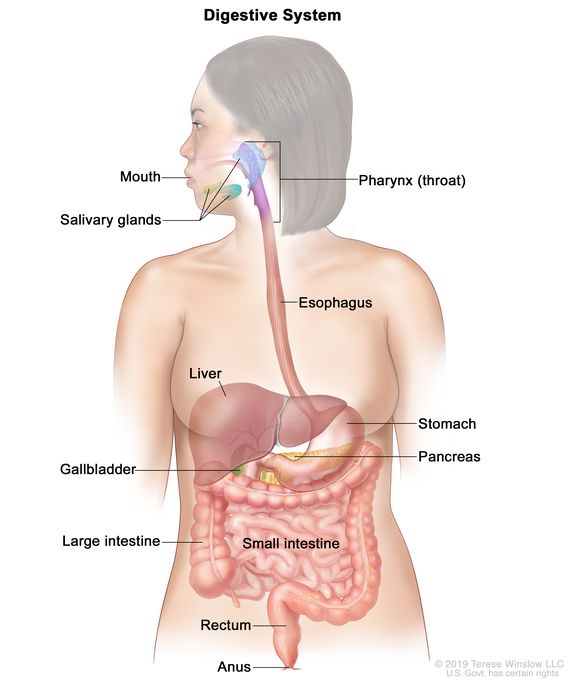
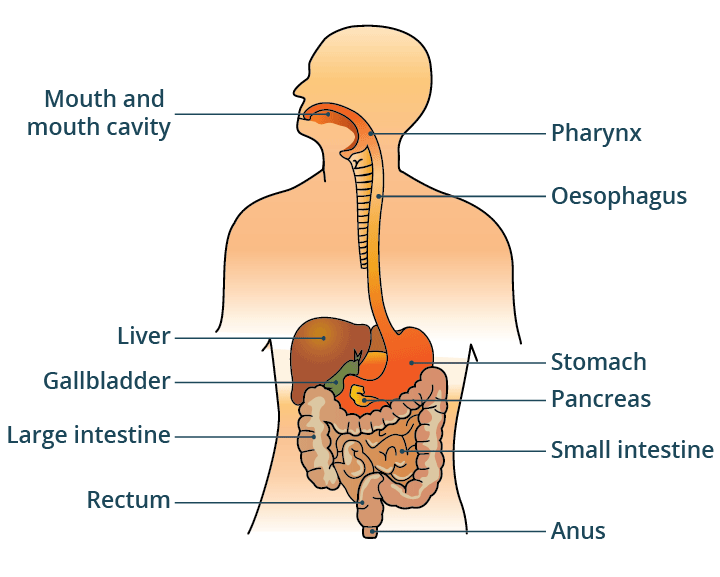
The human digestive system functions begin in the mouth, where chewing breaks food into smaller pieces while saliva starts chemical digestion. This combination of mechanical and chemical processes prepares food for the next stages. After swallowing, food travels through the esophagus using muscle contractions that move it toward the stomach.
In the stomach, strong acids and enzymes continue breaking down food into a semi-liquid substance. This material then moves into the small intestine, where most nutrient absorption occurs. The human digestive system functions ensure that vitamins, minerals, and other nutrients enter the bloodstream, supporting energy production and overall body health.
Digestive System Organs and Their Functions
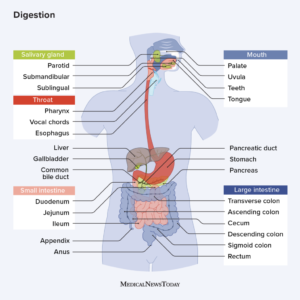
The digestive system consists of several organs, each with a specific role in processing food. The mouth initiates digestion, while the esophagus transports food to the stomach. The stomach mixes food with digestive juices, and the small intestine absorbs nutrients into the bloodstream, making it one of the most important parts of the system.
Other organs such as the liver, pancreas, and gallbladder play supporting roles in digestion. The liver produces bile to break down fats, the pancreas releases enzymes to aid digestion, and the gallbladder stores bile until it is needed. Together, these organs highlight how digestive system functions and parts work in harmony to maintain health.
The Process of Digestion Step by Step
The process of digestion starts with ingestion, where food is taken into the body. It then moves through propulsion, as muscles in the digestive tract push food forward. Mechanical digestion physically breaks down food, while chemical digestion uses enzymes to convert it into smaller molecules that can be absorbed.
Absorption is a key stage of digestive system functions, where nutrients pass through the walls of the small intestine into the bloodstream. The final step is elimination, where waste products are removed from the body. This step-by-step process ensures that the body efficiently uses nutrients while discarding anything unnecessary.
Types of Digestive Systems in Animals
Digestive system functions vary greatly among animals, depending on their diet and environment. While humans have a relatively simple digestive system, animals have developed specialised systems to process different types of food. These variations help animals survive and thrive in their natural habitats.
Studying different digestive systems provides insight into how evolution has shaped the way organisms process food. It also highlights how digestive system functions can adapt to specific dietary needs, whether an animal is herbivorous, carnivorous, or omnivorous.
Monogastric Digestive System Functions
Monogastric digestive system functions are found in animals with a single-chamber stomach, such as humans and pigs. This type of system is designed to handle a varied diet, allowing efficient digestion of both plant and animal-based foods. The pig digestive system functions are particularly similar to those of humans, making them useful for study.
In this system, food is broken down in the stomach before moving to the intestines for absorption. Monogastric digestive system functions are relatively straightforward but highly effective, ensuring that nutrients are quickly processed and distributed throughout the body for energy and growth.
Ruminant Digestive System Functions
Ruminant digestive system functions are more complex and are found in animals like cows and sheep. These animals have multiple stomach chambers that allow them to digest tough plant materials through fermentation. The cow digestive system functions enable the breakdown of cellulose, which humans cannot digest.
This system allows ruminants to extract maximum nutrients from grass and other fibrous foods. The fermentation process produces energy-rich compounds that support the animal’s survival. Ruminant digestive system functions demonstrate how digestion can adapt to specialised diets.
Avian and Bird Digestive System Functions
Bird digestive system functions are unique and adapted to their lifestyle. Birds do not chew food; instead, they swallow it whole. The food is stored in a structure called the crop and then ground in the gizzard, which acts like teeth. This system allows birds to process food efficiently.
Chicken digestive system functions are a common example of avian digestion. The combination of the crop, gizzard, and intestines ensures that food is broken down and nutrients are absorbed effectively. These adaptations highlight the diversity of digestive system functions across species.
Rabbit and Cat Digestive System Functions
Rabbit digestive system functions are designed for processing plant-based diets rich in fibre. Rabbits rely on a specialised digestive process that allows them to extract nutrients from tough plant material. This includes a unique system that supports the breakdown and reuse of nutrients.
Cat digestive system functions, on the other hand, are suited for a meat-based diet. Cats are carnivores, and their digestive system is designed to process protein efficiently. These differences between herbivores and carnivores show how digestive system functions are tailored to specific dietary needs.
Digestive System Functions for Kids and Students
Digestive system functions for kids can be explained in simple and engaging ways. Teaching children how the body processes food helps them understand the importance of healthy eating habits. Using examples and visual aids can make learning about digestion both fun and effective.
For students, especially those at the KS2 level, breaking down each stage of digestion into easy steps improves understanding. Worksheets, diagrams, and interactive activities can help reinforce knowledge and make the topic more enjoyable. Learning digestive system functions early builds a strong foundation for future science education.
Common Digestive Problems and Their Impact
Digestive system functions can sometimes be disrupted, leading to common problems such as indigestion, constipation, and acid reflux. These issues can affect comfort and overall health, making it important to understand their causes and symptoms.
When the digestive system does not function properly, the body may struggle to absorb nutrients or eliminate waste efficiently. This can lead to fatigue and other health concerns. Recognising these problems early allows individuals to take steps to improve their digestive health.
Tips to Keep Your Digestive System Healthy
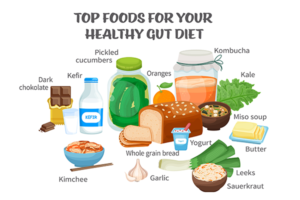
Maintaining healthy digestive system functions requires a balanced diet and good lifestyle habits. Eating fibre-rich foods, staying hydrated, and including fruits and vegetables in daily meals can support proper digestion. These habits help the digestive system work smoothly and efficiently.
Regular physical activity also plays a key role in digestion by promoting movement within the digestive tract. Avoiding processed foods and managing stress can further improve digestive health. Simple changes in daily routines can have a significant impact on overall well-being.
All About the Digestive System Functions
All about the digestive system functions involves understanding how the body processes food from start to finish. These processes ensure that nutrients are delivered to cells, providing energy and supporting growth. Without these functions, the body would not be able to perform essential tasks.
By learning about digestive system functions, individuals can better appreciate the complexity of the human body. This knowledge encourages healthier choices and promotes long-term well-being. A strong digestive system is key to maintaining energy, health, and quality of life.
Conclusion
The digestive system functions are vital processes that keep the body nourished and healthy. From breaking down food to absorbing nutrients and removing waste, each step plays a crucial role in maintaining balance within the body. Understanding these functions provides valuable insight into how the body works every day.
By focusing on healthy habits and learning more about digestion, individuals can improve their overall health and prevent common digestive issues. The digestive system is a powerful and essential part of human life, and taking care of it ensures long-term well-being and energy.
You may also read: Active Listening and Non-Verbal Communication