Digestive health is the foundation of overall well-being, yet it is often overlooked until discomfort begins to interfere with daily life. Issues such as bloating, constipation, and sluggish digestion are increasingly common due to modern eating habits, stress, and lack of physical activity. Understanding how to improve digestion naturally can help you avoid these problems and maintain a balanced, energised lifestyle without depending on medication.
Choosing natural methods to support digestion allows your body to function as it was designed. Rather than relying on temporary solutions, these approaches focus on long-term improvements through diet, hydration, and mindful habits. By learning how to improve digestion naturally at home, you can create sustainable routines that enhance gut health, reduce discomfort, and promote better nutrient absorption over time.
Understanding the Digestive System
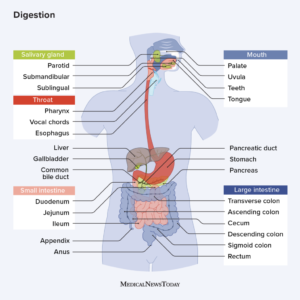
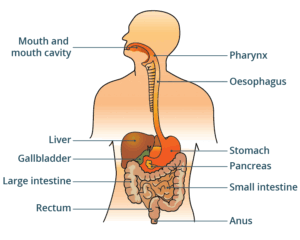
The digestive system is a complex network of organs that work together to break down food, absorb nutrients, and eliminate waste. From the moment you begin chewing, enzymes start breaking down food into smaller components that your body can use. The stomach and intestines then continue this process, ensuring that essential vitamins and minerals are absorbed efficiently.
A crucial part of digestion is the gut microbiome, which consists of beneficial bacteria that support digestion and immune function. When this balance is healthy, your body can process food smoothly and efficiently. However, disruptions in gut bacteria can lead to bloating, gas, and irregular bowel movements. Supporting this delicate system is key to improving digestion naturally and maintaining long-term health.
Common Causes of Poor Digestion
Poor digestion is often the result of daily habits that gradually impact gut health. Diets high in processed foods, sugar, and unhealthy fats can slow down digestion and lead to discomfort. A lack of fibre is another major contributor, as fibre helps move food through the digestive tract and prevents constipation. Without it, digestion becomes inefficient and sluggish.
Lifestyle factors also play a significant role in digestive health. Chronic stress can disrupt the gut-brain connection, reducing digestive efficiency and causing symptoms like indigestion and bloating. In addition, irregular meal times, overeating, and a sedentary lifestyle can further worsen digestive issues. Recognising these causes is the first step towards finding effective ways to improve digestion naturally.
Proven Ways to Improve Digestion Naturally
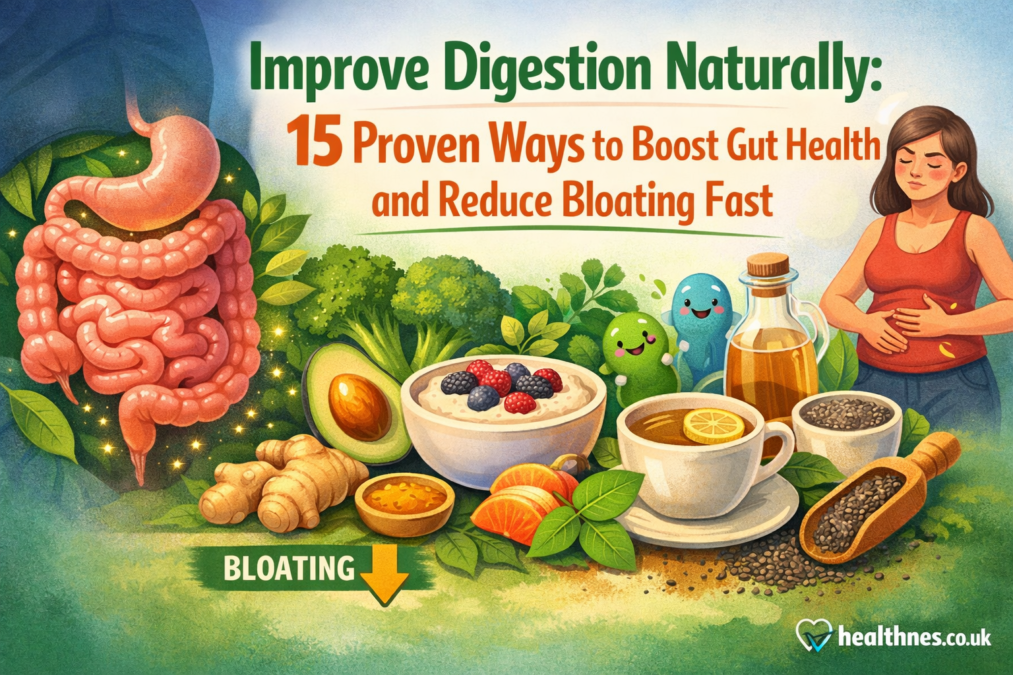
There are many effective strategies that can help improve digestion naturally without the need for medication. One of the most important steps is increasing your intake of fibre-rich foods such as whole grains, fruits, and vegetables. Fibre supports healthy bowel movements and feeds beneficial gut bacteria, making it essential for long-term digestive health. Staying hydrated is equally important, as water helps break down food and keeps the digestive system functioning smoothly.
In addition to dietary changes, lifestyle habits play a crucial role in digestion. Eating slowly and chewing food properly allows your body to process meals more efficiently, reducing strain on the stomach. Regular physical activity also promotes movement within the digestive tract, preventing issues like bloating and constipation. Managing stress through relaxation techniques further supports the gut, making these combined approaches some of the best ways to improve digestion naturally.
Foods That Improve Digestion Naturally
The foods you choose have a direct impact on your digestive health. Whole, unprocessed foods are rich in nutrients and fibre, which help regulate digestion and support gut bacteria. Fruits such as apples and bananas, along with vegetables like spinach and broccoli, provide essential nutrients that promote a healthy digestive system. Including these foods in your daily meals is one of the simplest ways to improve digestion naturally.
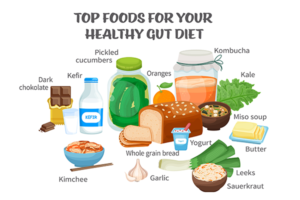
Fermented foods are particularly beneficial because they contain natural probiotics that support the balance of gut bacteria. Yogurt, kefir, and fermented vegetables can improve digestion by introducing beneficial microorganisms into the gut. Healthy fats from sources like nuts, seeds, and avocados also aid nutrient absorption, making them an important part of a digestion-friendly diet.
How to Improve Digestion Naturally Through Diet
A balanced diet is essential for maintaining optimal digestion. Combining carbohydrates, proteins, and healthy fats in appropriate portions ensures that your body can process food efficiently. Overeating or consuming heavy meals can overwhelm the digestive system, leading to discomfort. Focusing on portion control and balanced meals is a practical approach to improving digestion naturally.
Planning meals in advance can help you maintain consistency and avoid unhealthy choices. Including a variety of nutrient-dense foods ensures that your digestive system receives everything it needs to function properly. Paying attention to how your body responds to certain foods can also help you identify triggers and make better dietary decisions over time.
How to Improve Digestion Naturally at Home
Improving digestion naturally at home does not require complicated routines or expensive solutions. Simple habits such as starting your day with warm water or herbal tea can stimulate digestion and prepare your system for the day ahead. Maintaining a consistent eating schedule and avoiding late-night meals also supports a healthier digestive rhythm.
Home remedies can provide additional support when needed. Natural ingredients like ginger, fennel, and peppermint have been used for centuries to ease digestive discomfort and reduce bloating. Incorporating these remedies into your daily routine can enhance digestion and provide relief without the need for medication, making them valuable tools for anyone looking to improve digestion naturally.
Lifestyle Habits for Long-Term Gut Health
Long-term digestive health depends on consistency and balance in your daily lifestyle. Regular physical activity not only supports digestion but also improves overall metabolic health. Even simple activities like walking after meals can make a noticeable difference in how your body processes food. Establishing these habits ensures that your digestive system remains active and efficient.
Sleep and stress management are equally important for maintaining a healthy gut. Poor sleep can disrupt digestion and lead to imbalances in gut bacteria, while chronic stress can slow down digestive processes. By prioritising restful sleep and incorporating relaxation techniques into your routine, you can create a strong foundation for improving digestion naturally over the long term.
Conclusion
Improving digestion naturally is a sustainable and effective way to enhance your overall health and well-being. By focusing on balanced nutrition, proper hydration, and mindful lifestyle habits, you can reduce common digestive issues such as bloating and discomfort. These changes do not require drastic efforts but instead rely on consistent, practical steps that fit easily into your daily routine.
Over time, these natural approaches can transform your digestive health and improve your quality of life. By taking control of your habits and making informed choices, you can support your body’s natural processes and enjoy long-lasting benefits. Learning how to improve digestion naturally empowers you to build a healthier future without relying on temporary solutions.
You may also read: Expert-Backed Digestive Health Tips for Better Gut Function