Gut health has become one of the most important topics in modern nutrition, especially as more people in the UK experience digestive discomfort, bloating, and low energy levels. Understanding how your digestive system works can make a significant difference to your overall wellbeing. These concerns have made gut health improvement tips a key focus for individuals seeking natural and sustainable ways to feel healthier and more balanced every day.
This article explores practical and science-backed gut health improvement tips designed to improve digestion, support the gut microbiome, and enhance long-term health. Instead of complicated diets or quick fixes, these strategies focus on realistic lifestyle changes that anyone can follow. By applying these principles consistently, you can gradually improve gut function and build a stronger foundation for overall physical and mental wellbeing.
Understanding Gut Health and Its Importance
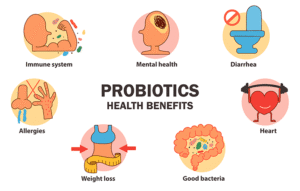
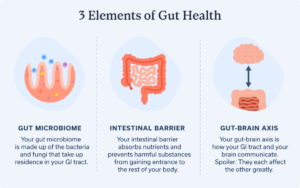
Gut health refers to the balance of microorganisms living in your digestive system, known as the gut microbiome. These bacteria play a vital role in breaking down food, absorbing nutrients, and supporting immune function. When this balance is disrupted, it can lead to digestive issues, fatigue, and even mood changes. This is why following effective gut health improvement tips is essential for maintaining overall health.
The NHS highlights the importance of a balanced diet rich in fibre and whole foods to support digestive health. A healthy gut is not just about avoiding discomfort; it is also linked to stronger immunity and improved mental wellbeing. Understanding this connection helps explain why gut health improvement tips are increasingly recommended by health professionals across the UK.
Signs Your Gut May Be Unhealthy
An unhealthy gut often reveals itself through common digestive symptoms such as bloating, gas, constipation, and irregular bowel movements. These issues usually indicate an imbalance in gut bacteria. Many people ignore these early signs, but they are important indicators that your digestive system may need attention and better nutritional support.
Beyond digestion, other symptoms like fatigue, poor sleep, skin irritation, and frequent illness can also be linked to gut imbalance. Mood swings and difficulty concentrating may also appear when gut health is compromised. Recognising these signs early allows you to apply gut health improvement tips before the problem becomes more serious or long-term.
Effective Dietary Strategies for Better Gut Function

Diet plays the most important role in improving digestive health. One of the most effective gut health improvement tips is increasing fibre intake through fruits, vegetables, legumes, and whole grains. Fibre helps feed beneficial bacteria and promotes smoother digestion, reducing the risk of constipation and bloating.
In addition, incorporating fermented foods such as yogurt, kefir, and kimchi can help introduce healthy bacteria into the gut. Eating a diverse range of plant-based foods also supports microbial diversity, which is essential for a balanced digestive system. These dietary gut health improvement tips work best when followed consistently over time rather than as short-term changes.
Lifestyle Habits That Support a Healthy Gut
Lifestyle choices are just as important as diet when it comes to digestive health. Regular physical activity helps stimulate digestion and improves gut motility. Even moderate exercise, such as walking daily, can support a healthier gut environment and enhance overall metabolic function.
Stress management is another essential factor. High stress levels can negatively affect the gut-brain connection, leading to digestive discomfort. Practising relaxation techniques, maintaining good sleep hygiene, and staying physically active are all important gut health improvement tips that help restore balance and improve long-term gut function.
Foods That Harm Gut Balance
Certain foods can disrupt the natural balance of gut bacteria and should be limited for better digestive health. Highly processed foods, sugary snacks, and fried meals can contribute to inflammation and reduce beneficial bacteria in the gut. Over time, these dietary choices may lead to chronic digestive issues.
Artificial sweeteners and excessive alcohol consumption can also negatively impact gut health. These substances may disturb microbial balance and slow down digestion. Avoiding or reducing these foods is one of the most important gut health improvement tips for maintaining a stable and healthy digestive system in the long run.
Natural Ways to Strengthen Gut Microbiome
Strengthening the gut microbiome naturally involves combining healthy eating habits with supportive lifestyle changes. Increasing intake of prebiotic foods such as garlic, onions, and bananas helps feed good bacteria and encourages a healthier digestive environment. Drinking enough water daily also plays a crucial role in maintaining smooth digestion.
Another effective approach is maintaining a consistent eating schedule, which helps regulate digestive rhythms. Managing stress levels and ensuring quality sleep further enhance gut function. These natural gut health improvement tips are highly effective when practiced consistently and can significantly improve overall digestive health without the need for extreme dietary restrictions.
Conclusion
Improving gut health is a gradual process that requires consistent attention to diet, lifestyle, and daily habits. By following proven gut health improvement tips, individuals can restore balance in their digestive system, reduce discomfort, and improve overall wellbeing. The key is to make small, sustainable changes that can be maintained long term.
Whether it is increasing fibre intake, managing stress, or avoiding processed foods, each step contributes to a healthier gut environment. These gut health improvement tips are not quick fixes but long-term strategies that support better digestion, improved energy levels, and stronger overall health when applied consistently.
You may also read: Proven Ways to Improve Digestion Naturally