Introduction to Gut Health and Digestion
Gut health plays a fundamental role in how the entire body functions, influencing digestion, immunity, energy levels, and even mental clarity. When people focus on foods for gut health, they are essentially supporting the balance of beneficial bacteria that live inside the digestive system. This balance is crucial because it determines how efficiently nutrients are absorbed and how effectively the body eliminates waste, making it a key foundation of overall wellness.
In modern lifestyles, processed foods and irregular eating habits have made digestive issues more common than ever. By prioritizing foods for gut health, individuals can naturally restore balance in their digestive system. These foods help reduce inflammation, improve bowel regularity, and support a healthier internal environment that promotes long-term vitality and comfort in everyday life.
Understanding the Gut Microbiome and Its Role
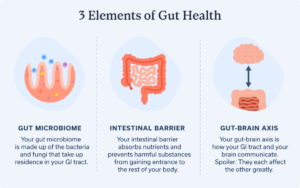
The gut microbiome is a vast ecosystem of trillions of microorganisms that live in the digestive tract. These microorganisms include both beneficial and harmful bacteria, and maintaining a healthy balance between them is essential. Choosing the right foods for gut health helps nourish beneficial bacteria, allowing them to thrive and protect the body from digestive disturbances and immune system imbalances.
When the microbiome becomes unbalanced, issues such as bloating, fatigue, and irregular digestion can occur. This is why foods for gut health are so important—they act as fuel for good bacteria while limiting the growth of harmful microbes. Over time, a healthy microbiome contributes to improved nutrient absorption, better metabolism, and even enhanced mood regulation through the gut-brain connection.
Signs Your Gut Health Needs Improvement
There are several warning signs that indicate poor gut health, and many of them appear through digestive discomfort. Symptoms such as bloating, constipation, gas, or frequent stomach upset often suggest that the body is not getting enough supportive nutrients from foods for gut health. These signs should not be ignored, as they can indicate deeper imbalances in the digestive system.
Beyond digestion, poor gut health can also affect energy levels, skin appearance, and immune response. People who experience frequent fatigue or skin irritation may benefit from increasing their intake of foods for gut health. Recognizing these symptoms early and making dietary changes can significantly improve overall wellbeing and prevent long-term digestive complications.
Natural Ways to Improve Gut Health Daily
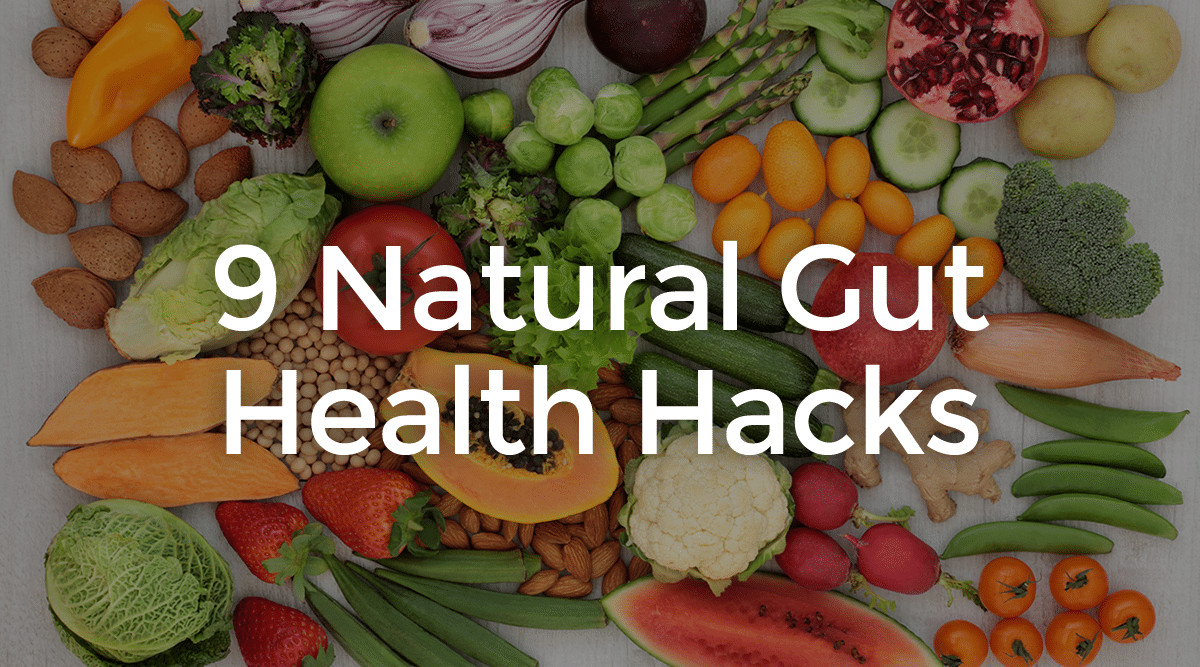
Improving digestion naturally begins with adopting a consistent and balanced lifestyle. One of the most effective approaches is incorporating foods for gut health into daily meals. These include fiber-rich fruits, vegetables, and fermented foods that help nourish beneficial gut bacteria and support smooth digestion throughout the day.
In addition to diet, hydration, stress management, and regular physical activity play important roles in gut health. However, diet remains the most powerful factor. By consistently choosing foods for gut health, individuals can gradually restore balance in their digestive system and support long-term wellness without relying heavily on medications or artificial supplements.
Best Foods for Gut Health Essential Choices
The most effective foods for gut health include a combination of probiotic and prebiotic sources. Probiotic foods such as yogurt, kefir, kimchi, and sauerkraut introduce beneficial bacteria into the digestive system. These foods help restore microbial balance and improve digestion naturally when consumed regularly as part of a healthy diet.
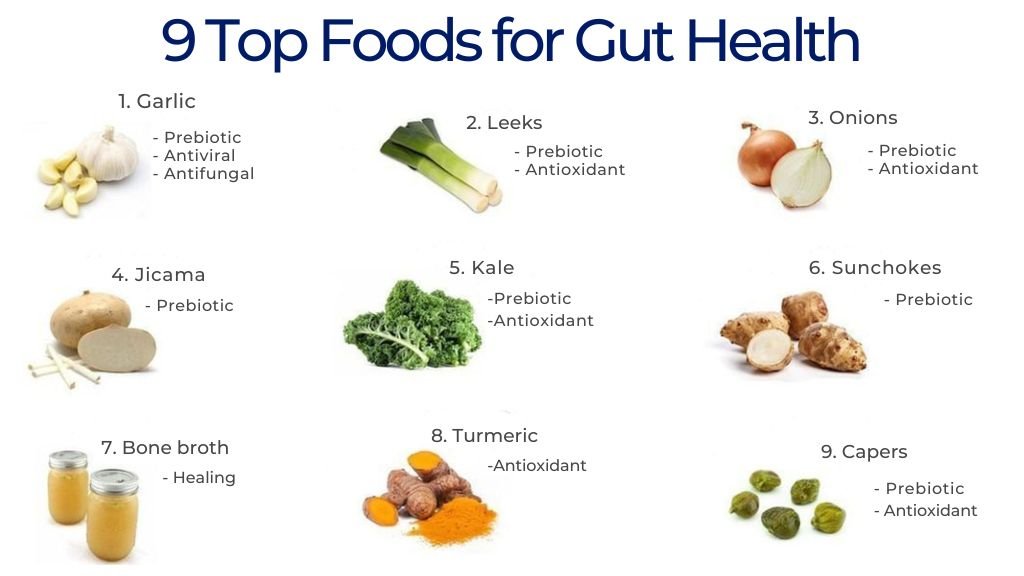
Prebiotic-rich foods are equally important because they feed the good bacteria already present in the gut. Foods like bananas, oats, garlic, onions, lentils, and leafy greens play a key role in strengthening gut function. Together, these foods for gut health create a powerful system that supports digestion, boosts immunity, and enhances overall metabolic health.
Probiotics Supplements and Gut Support Products
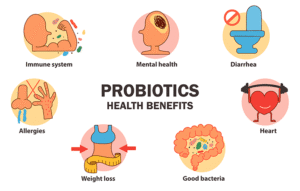
While natural foods for gut health remain the most effective option, some individuals also consider probiotics in supplement form. These supplements are designed to deliver concentrated doses of beneficial bacteria that may support digestion, especially after antibiotic use or digestive imbalance. However, they should complement, not replace, a healthy diet.
Products such as gut health capsules and probiotic formulas can be helpful in specific situations, but they are not a long-term substitute for real food. A balanced intake of foods for gut health provides fiber, vitamins, and nutrients that supplements cannot fully replicate. Therefore, combining both approaches carefully can offer additional digestive support when needed.
Gut-Friendly Drinks and Hydration
Hydration is an often-overlooked part of digestive wellness, yet it plays a vital role in supporting gut function. Drinks such as kefir, kombucha, and herbal teas complement foods for gut health by promoting better digestion and helping maintain a balanced gut microbiome. These beverages also support the movement of food through the digestive tract.
On the other hand, sugary drinks, sodas, and excessive caffeine can negatively affect gut balance. Replacing these with healthier alternatives enhances the benefits of foods for gut health and supports long-term digestive stability. Proper hydration combined with nutrient-rich beverages ensures smoother digestion and improved nutrient absorption.
Foods and Habits That Harm Gut Health
Certain foods can disrupt the balance of gut bacteria and negatively impact digestion. Highly processed foods, fried meals, artificial sweeteners, and refined sugars are among the most harmful. These foods reduce the effectiveness of foods for gut health by feeding harmful bacteria and increasing inflammation in the digestive system.
Lifestyle habits such as poor sleep, chronic stress, and irregular eating patterns can also damage gut health. Even if someone consumes foods for gut health, these unhealthy habits may slow down progress. Therefore, avoiding harmful foods and maintaining a balanced lifestyle is essential for achieving long-term digestive wellness.
Building a Long-Term Gut Health Diet Plan
Creating a sustainable diet plan is essential for maintaining consistent digestive health. A strong plan includes a daily combination of fiber-rich foods, fermented items, and whole grains. By regularly consuming foods for gut health, individuals can maintain a stable gut environment that supports energy, immunity, and digestion.
Long-term success depends on consistency rather than short-term diets. Incorporating a variety of foods for gut health into everyday meals ensures that the gut microbiome remains diverse and resilient. Over time, this approach leads to noticeable improvements in digestion, mood stability, and overall physical wellbeing.
Conclusion
Maintaining digestive health is a continuous process that depends heavily on diet and lifestyle choices. Focusing on foods for gut health provides a natural and effective way to support the body’s internal balance. These foods help nourish beneficial bacteria, improve digestion, and strengthen overall immunity in a sustainable way.
By making mindful food choices and avoiding processed alternatives, individuals can experience long-term improvements in their health. Prioritizing foods for gut health is not just a dietary decision but a lifestyle commitment that leads to better energy levels, improved digestion, and enhanced quality of life over time.
You may also read: Effective Dietary Strategies for Better Gut Function