Understanding how digestion works in body is essential for anyone who wants to maintain long-term health, improve energy levels, and support overall wellbeing. Every meal you consume triggers a highly coordinated process that transforms food into nutrients your body can use. This system works continuously, often without you noticing, yet it plays a central role in your daily performance and vitality.
In today’s fast-paced lifestyle, many people overlook the importance of digestion, focusing only on what they eat rather than how their body processes it. Learning how digestion works in body helps you make smarter dietary choices, avoid common digestive issues, and improve nutrient absorption. This guide explains the full journey of digestion in a clear, practical, and easy-to-understand way.
What Is Digestion?
Digestion is the biological process through which the body breaks down food into smaller, absorbable components such as glucose, amino acids, and fatty acids. These nutrients are then used to produce energy, repair tissues, and support essential bodily functions. Without proper digestion, even the healthiest foods cannot deliver their full benefits to the body.
To fully understand how digestion works in body, it’s important to recognize that digestion involves both mechanical and chemical processes. Mechanical digestion includes physical actions like chewing and stomach churning, while chemical digestion involves enzymes and acids breaking down food at a molecular level. Together, these processes ensure that food is efficiently converted into usable energy and nutrients.
How Digestion Works in Body: Step-by-Step Process
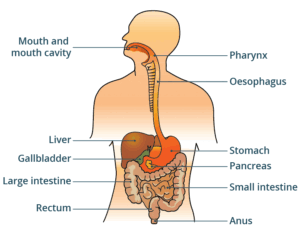
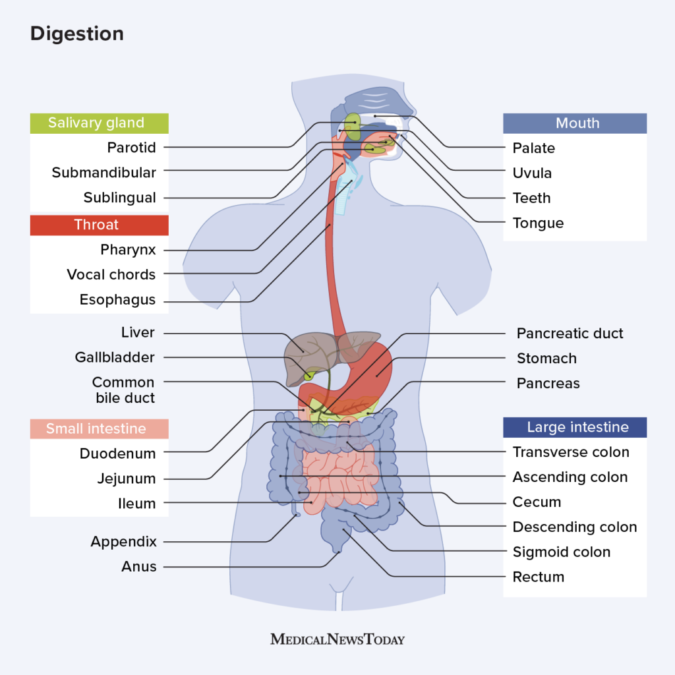
Digestion begins the moment food enters your mouth and continues until waste is eliminated from the body. Each stage plays a specific role in ensuring that nutrients are properly extracted and absorbed. Understanding these steps gives a complete picture of how digestion works in body and why each part of the digestive system is important.
The process involves multiple organs working together in a coordinated manner. From the mouth to the intestines, every stage contributes to breaking down food, absorbing nutrients, and removing waste. This step-by-step journey highlights the complexity and efficiency of the digestive system.
Mouth and Esophagus: The Starting Phase
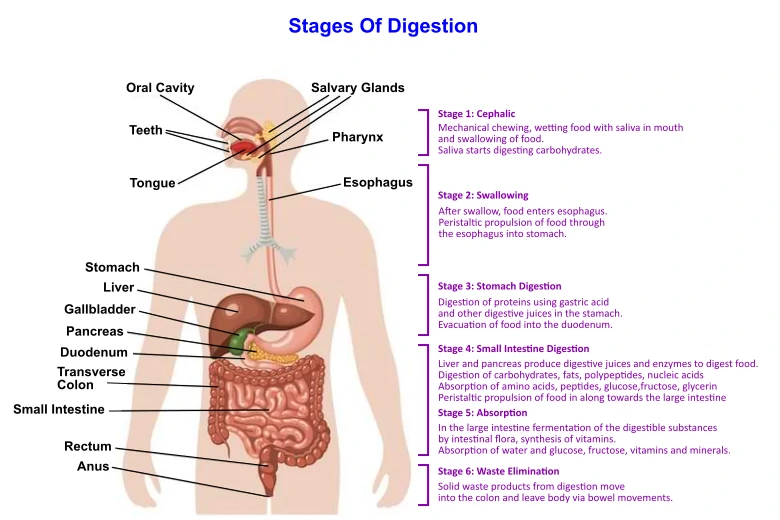
The digestive process starts in the mouth, where food is broken down into smaller pieces by chewing. Saliva mixes with food and contains enzymes like amylase, which begins the breakdown of carbohydrates. This initial stage is crucial because properly chewed food is easier for the stomach and intestines to process later.
After swallowing, food travels through the esophagus, a muscular tube that connects the mouth to the stomach. This movement is controlled by peristalsis, a wave-like contraction that pushes food downward. This stage demonstrates an essential part of how digestion works in body, as it ensures food reaches the stomach smoothly and efficiently without conscious effort.
Stomach: Breaking Down Food Efficiently
Once food reaches the stomach, it is exposed to a highly acidic environment filled with digestive enzymes. The stomach muscles churn food, mixing it with gastric juices to create a semi-liquid substance called chyme. This process is especially important for breaking down proteins into smaller components that can be absorbed later.
The stomach also acts as a protective barrier by destroying harmful bacteria that may enter with food. Understanding this phase helps explain how digestion works in body, as it highlights the importance of both physical mixing and chemical breakdown. A well-functioning stomach ensures that food is properly prepared for the next stage of digestion.
Small Intestine: The Core of Digestion
The small intestine is the most important part of the digestive system, where the majority of digestion and nutrient absorption occurs. Here, chyme mixes with digestive enzymes from the pancreas and bile from the liver, which help break down fats, proteins, and carbohydrates into their simplest forms.
This stage is central to understanding how digestion works in body, as the small intestine extracts the nutrients your body needs to function. Its inner lining is covered with tiny finger-like structures called villi, which greatly increase the surface area for absorption. This design ensures maximum efficiency in nutrient uptake.
Nutrient Absorption and Transport
After food is broken down into basic nutrients, these substances are absorbed through the walls of the small intestine and enter the bloodstream. From there, they are transported to different parts of the body where they are used for energy, growth, and repair.
Efficient absorption is a key part of how digestion works in body, as it determines how well your body benefits from the food you eat. Poor absorption can lead to fatigue, कमजोरी, and nutrient deficiencies, even if your diet appears healthy. This stage highlights why digestion quality matters as much as food quality.
Large Intestine and Waste Removal
The remaining undigested material moves into the large intestine, where water and electrolytes are absorbed. This process transforms liquid waste into solid stool, preparing it for elimination. The large intestine also hosts beneficial bacteria that support digestion and overall health.
The final stage of how digestion works in body involves the rectum and anus, where waste is stored and eventually expelled. This elimination process is essential for removing toxins and maintaining internal balance. A healthy digestive system ensures this process happens regularly and without discomfort.
Key Organs Supporting Digestion
Several organs work together to ensure digestion runs smoothly, including the liver, pancreas, and gallbladder. The liver produces bile, which helps break down fats, while the pancreas releases enzymes that aid in digesting carbohydrates, proteins, and fats.
Understanding these supporting organs provides a deeper insight into how digestion works in body. Each organ plays a specialized role, and any imbalance can affect the entire digestive process. Maintaining the health of these organs is essential for efficient digestion and overall wellbeing.
Common Digestive Problems
Digestive issues such as bloating, constipation, indigestion, and acid reflux are common and can affect daily life. These problems often result from poor eating habits, stress, dehydration, or lack of physical activity. Ignoring these symptoms can lead to more serious health conditions over time.
By understanding how digestion works in body, you can identify the root causes of these issues and take preventive steps. Simple lifestyle changes, such as eating slowly, avoiding processed foods, and staying hydrated, can significantly improve digestive health and reduce discomfort.
Tips to Improve Digestion Naturally
Improving digestion naturally involves adopting healthy habits that support your digestive system. Eating fiber-rich foods, drinking enough water, and engaging in regular physical activity all contribute to better digestion and nutrient absorption.
Additionally, managing stress and maintaining a balanced diet play a crucial role in supporting how digestion works in body. Avoiding overeating and limiting unhealthy foods can help your digestive system function more efficiently, leading to better overall health and increased energy levels.
Conclusion
Learning how digestion works in body provides valuable insights into how your body converts food into energy and essential nutrients. Each stage of digestion, from the mouth to the intestines, plays a vital role in maintaining health and supporting bodily functions.
By making conscious lifestyle choices and supporting your digestive system, you can improve your overall wellbeing and prevent common digestive problems. A healthy digestive system is the foundation of a healthy life, making it essential to understand and care for it properly.
You may also read: The Human Digestive System Functions Explained