Good digestive health is the foundation of overall physical and mental well-being, yet it is often ignored until problems arise. The digestive system is responsible for breaking down food, absorbing nutrients, and eliminating waste, which directly impacts energy levels, immunity, and even mood. When the system is not functioning properly, symptoms such as bloating, fatigue, constipation, and discomfort can significantly affect daily life. This is why following effective digestive health tips is essential for maintaining long-term wellness and preventing common gut-related issues.
In today’s modern lifestyle, processed foods, stress, irregular eating patterns, and lack of physical activity have made digestive issues more common than ever. However, improving gut health does not always require complex treatments or strict diets. Simple, consistent habits can transform digestive function over time. By applying practical and expert-backed digestive health tips, individuals can restore balance to their gut, improve nutrient absorption, and support overall vitality in a natural and sustainable way.
Understanding the Digestive System
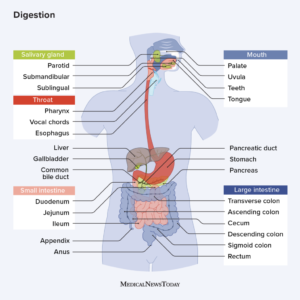
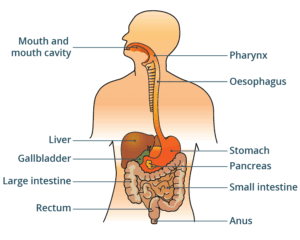
The human body relies on the human digestive system to process everything we eat and turn it into usable energy. This system includes several organs such as the mouth, esophagus, stomach, liver, pancreas, and intestines, all working together in a coordinated process. Each organ has a specific role, from breaking down food mechanically and chemically to absorbing nutrients and eliminating waste. Understanding how this system works helps highlight why proper care and attention are necessary for long-term health.
Digestion is not just a mechanical process but also a chemical one that depends heavily on biological compounds like digestive enzymes. These enzymes break food into smaller molecules that the body can absorb efficiently. In the stomach, specialized glandular tissues produce digestive juices that help break down proteins and kill harmful bacteria. When this system is disrupted due to poor lifestyle habits, it can lead to discomfort and inefficiency. Following consistent digestive health tips ensures that this complex system continues to function smoothly.
Common Digestive Problems and Their Causes
Digestive discomfort is extremely common and can appear in many forms, including bloating, gas, acid reflux, constipation, and irregular bowel movements. These issues are often grouped under general digestive problems, which may be temporary or chronic depending on lifestyle and dietary habits. While occasional discomfort is normal, frequent symptoms usually indicate an imbalance in gut health that requires attention.
The main causes of digestive issues are often related to modern living habits. Eating processed foods, skipping meals, consuming excessive sugar, and not drinking enough water can all negatively impact digestion. Stress also plays a major role, as it affects gut bacteria and slows down the digestive process. In many cases, people overlook early warning signs, which leads to more persistent problems. Applying practical digestive health tips early can help restore balance and prevent long-term complications.
Expert-Backed Digestive Health Tips for Better Gut Function

Improving digestion starts with simple lifestyle changes that support the natural functioning of the body. One of the most effective approaches is consuming a fiber-rich diet that includes fruits, vegetables, legumes, and whole grains. Fiber helps regulate bowel movements and feeds healthy gut bacteria, which is essential for overall digestive balance. Hydration is equally important, as water helps soften stool and supports smooth intestinal movement.
Other essential strategies include eating slowly, chewing food thoroughly, and maintaining regular meal timings. Physical activity also plays a crucial role in stimulating digestion and preventing sluggish bowel movement. In some cases, supplements such as digestive enzyme supplements may help support nutrient breakdown, especially for individuals with deficiencies. Stress management techniques like meditation and deep breathing further improve gut function. These digestive health tips are highly effective when practiced consistently and can significantly enhance overall digestive wellness.
Best Foods to Support Digestive Health
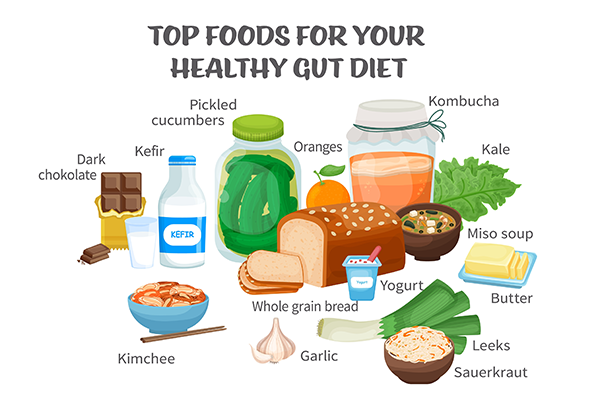
Diet plays a central role in maintaining a healthy gut environment. Foods rich in fiber such as oats, brown rice, bananas, apples, and leafy greens help improve bowel regularity and prevent constipation. Fermented foods like yogurt and kefir introduce beneficial bacteria into the gut, supporting a balanced microbiome. These foods are essential components of a diet designed to improve long-term digestive function.
Healthy fats from sources like nuts, seeds, olive oil, and avocados also support digestion by improving nutrient absorption. Lean proteins such as chicken, fish, and legumes are easier to digest compared to heavily processed meats. When combined, these foods create a balanced nutritional profile that supports gut health naturally. Following structured digestive health tips related to diet can significantly improve digestion, energy levels, and overall well-being over time.
Foods That Can Harm Digestive Health
While some foods support digestion, others can disrupt it and lead to discomfort. Fried foods, processed snacks, sugary beverages, and refined carbohydrates are among the most common culprits. These foods are often low in fiber and high in unhealthy fats, making them difficult for the body to break down efficiently. Over time, they can disturb gut bacteria and slow down digestion.
Carbonated drinks and artificial sweeteners can also contribute to bloating and gas. Additionally, excessive caffeine or alcohol intake may irritate the stomach lining and cause acid reflux. Reducing or eliminating these foods is an important step toward improving gut health. By replacing them with healthier alternatives, individuals can follow effective digestive health tips that promote long-term digestive comfort and stability.
Digestive Supplements and Gut Support Products
In some cases, dietary supplements can provide additional support for digestive health. Products such as yumove digestive care and vetpro digestive function are designed to support gut balance and improve digestive efficiency. These supplements are often used to complement a healthy diet rather than replace it, making them part of a broader wellness strategy.
Digestive enzyme supplements can be particularly helpful for individuals who struggle with breaking down certain foods. However, they should be used carefully and ideally under professional guidance. While supplements can provide short-term relief, long-term gut health depends primarily on lifestyle and diet. Combining supplements with proven digestive health tips ensures a more complete and sustainable approach to improving digestion naturally.
Digestive Biscuits and Everyday Food Choices
Digestive biscuits are a popular snack, often perceived as a healthier alternative to sugary treats. The digestive biscuit typically contains wheat flour, sugar, and fats, along with some fiber. While they can provide quick energy, they are still processed foods and should be consumed in moderation. Popular brands like McVitie’s Digestive are widely available but vary in nutritional quality.
Chocolate-coated versions and flavored varieties tend to contain higher sugar and calorie content, which may not support digestive health goals. Healthier options include gluten-free alternatives or homemade recipes that allow better control over ingredients. Understanding portion sizes and nutritional value is essential when including such snacks in your diet. Practicing mindful eating is one of the most practical digestive health tips for maintaining balance without completely restricting favorite foods.
When Professional Help Becomes Necessary
Although most digestive issues can be managed through lifestyle changes, there are situations where medical attention is required. Persistent symptoms such as severe abdominal pain, unexplained weight loss, or blood in stool should never be ignored. These may indicate underlying conditions that require proper diagnosis and treatment from a healthcare professional.
Specialized medical centers such as London Digestive Centre provide expert care for complex digestive conditions. Early consultation can prevent complications and ensure timely treatment. Combining medical guidance with consistent digestive health tips creates a comprehensive approach to maintaining long-term gut health and overall well-being.
Conclusion
Maintaining a healthy digestive system is essential for overall health, energy, and quality of life. By following proven digestive health tips, individuals can improve gut function naturally and reduce the risk of common digestive problems. Simple habits such as eating a balanced diet, staying hydrated, managing stress, and exercising regularly can make a significant difference over time.
Long-term digestive wellness is not achieved through quick fixes but through consistent and mindful lifestyle choices. When combined with professional advice when necessary, these habits create a strong foundation for lifelong gut health. Prioritizing digestion ultimately means prioritizing overall well-being, making these practices an essential part of everyday life.
You may also read: Mouth and Esophagus: The Starting Phase