Modern lifestyles have made digestive issues more common than ever, largely due to processed foods, stress, and irregular eating patterns. Understanding habits for better digestion is essential for maintaining energy levels, mental clarity, and long-term gut health. When digestion works efficiently, the body absorbs nutrients properly, supporting immunity and overall wellbeing in a natural and sustainable way.
Developing habits for better digestion is not about strict dieting or extreme restrictions. Instead, it focuses on simple daily improvements that gradually strengthen gut function. Small changes such as mindful eating, hydration, and balanced meals can create lasting improvements. Over time, these adjustments help the digestive system work more smoothly and reduce common issues like bloating, discomfort, and irregular bowel movements.
Understanding Digestion and Gut Health
Digestion is a complex biological process that breaks down food into nutrients the body can absorb and use for energy, repair, and growth. It involves multiple organs working together, including the stomach, intestines, and liver. A healthy gut microbiome also plays a major role in regulating digestion and protecting the body from harmful bacteria.
When learning habits for better digestion, it is important to understand how easily this system can be disrupted. Poor sleep, unhealthy diets, and chronic stress can slow down digestion and affect gut balance. Symptoms such as bloating, fatigue, or a noticeable change in bowel habits often indicate that the digestive system needs better support through consistent lifestyle improvements.
Core Habits for Better Digestion
One of the most effective habits for better digestion is eating slowly and chewing food thoroughly. This simple action helps enzymes in saliva break down food properly, reducing the workload on the stomach. Eating smaller, well-balanced meals throughout the day also supports smoother digestion and prevents overloading the digestive system.
Another important habit is maintaining a consistent routine. Eating at regular times and avoiding late-night heavy meals allows the digestive system to function more efficiently. Light physical activity, such as walking after meals, further enhances digestion. These small but powerful habits for better digestion help create stability and improve overall gut performance over time.
Healthy Eating Habits for Better Digestion
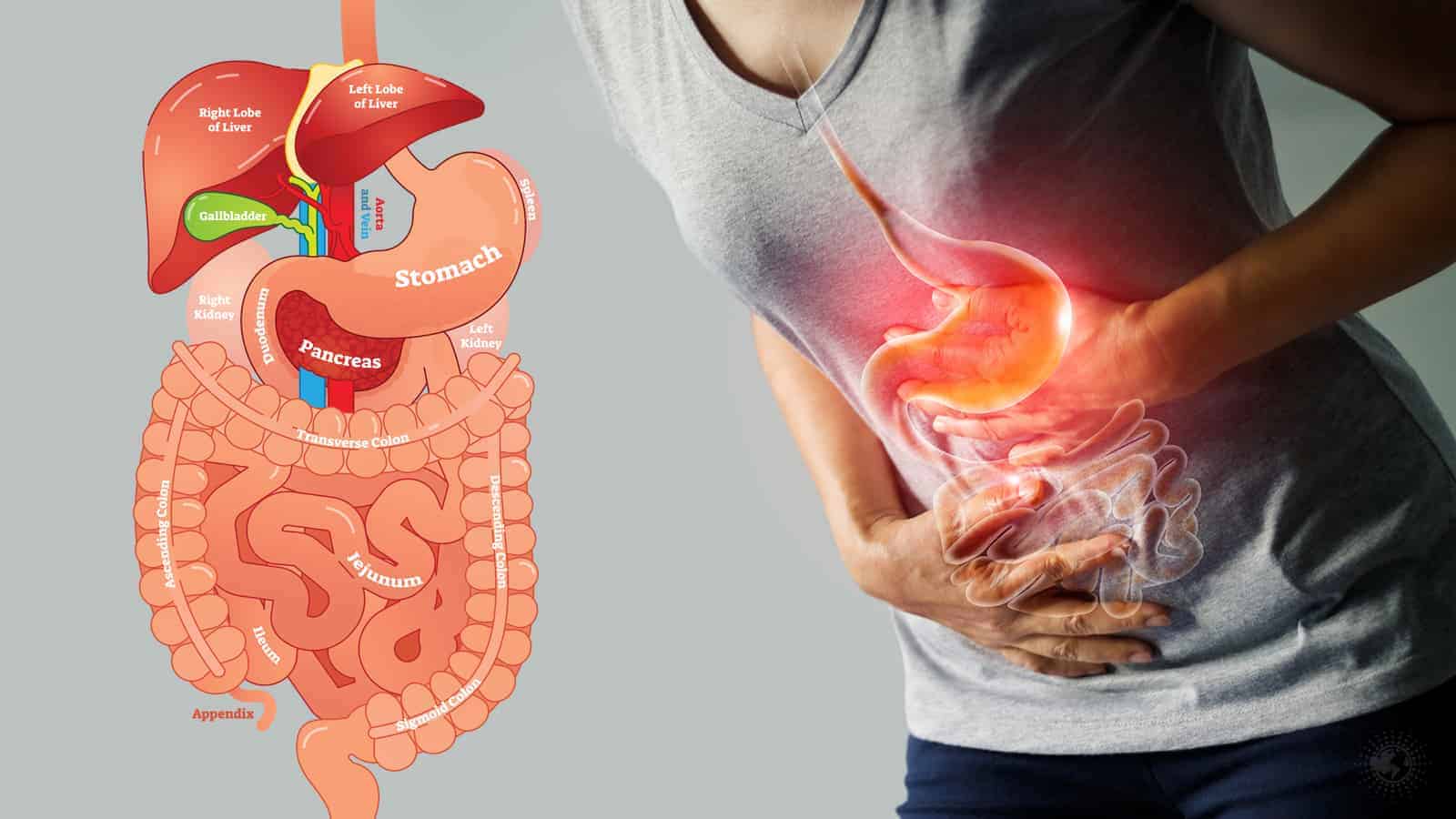
Diet plays a central role in digestive health. A fiber-rich diet that includes fruits, vegetables, legumes, and whole grains supports regular bowel movements and promotes a healthy gut environment. Drinking enough water throughout the day is equally important, as it helps break down food and allows nutrients to move smoothly through the digestive tract.
Including probiotics and fermented foods such as yogurt, kefir, or fermented vegetables can improve gut bacteria balance. These habits for better digestion strengthen the digestive system naturally. At the same time, reducing processed foods, excess sugar, and fried items helps prevent inflammation and supports long-term digestive stability.
Lifestyle Factors That Support Gut Health
Physical activity is one of the most underrated habits for better digestion, yet it has a significant impact on gut movement and metabolism. Activities like walking, stretching, or yoga help stimulate intestinal function and reduce bloating. Even short daily movement sessions can make digestion more efficient and comfortable.
Stress management and sleep quality also play a major role in digestive health. Chronic stress can disrupt gut signals and slow digestion, while poor sleep affects the body’s natural repair processes. Practicing relaxation techniques such as deep breathing or mindfulness supports balanced digestion and contributes to long-term gut health improvement.
Building Sustainable Healthy Habits
Creating long-term habits for better digestion requires consistency rather than perfection. Small daily actions, when repeated regularly, gradually become part of a natural routine. Inspired by behavioral science concepts like “atomic habits,” even minor improvements such as drinking water before meals or reducing eating speed can lead to noticeable results over time.
Replacing harmful routines with healthier alternatives is also essential. For example, swapping fast eating with mindful chewing or replacing irregular meals with structured eating times helps stabilize digestion. These sustainable habits for better digestion are more effective than temporary diet changes because they focus on long-term lifestyle transformation.
Common Mistakes That Harm Digestion
Many digestive issues are caused by everyday habits that people often overlook. Eating too quickly, skipping meals, and consuming excessive processed foods can disrupt the digestive system and reduce nutrient absorption. These behaviors are among the most common barriers to maintaining habits for better digestion that actually work.
Another major issue is a sedentary lifestyle combined with high stress levels. Lack of movement slows down intestinal activity, while stress interferes with normal digestive processes. Over time, these factors can lead to discomfort, bloating, and irregular bowel patterns. Identifying and correcting these habits is essential for restoring digestive balance and maintaining long-term gut health.
Daily Routine for Better Digestion and Long-Term Health
A structured daily routine can significantly improve gut health. Starting the day with water and a light, balanced breakfast helps activate the digestive system. Eating meals at consistent times throughout the day ensures the gut operates in a stable rhythm, reducing strain and improving efficiency. These habits for better digestion help create a predictable and healthy digestive cycle.
In the evening, avoiding heavy meals and allowing time for relaxation supports overnight digestion and recovery. Light movement after dinner and reducing screen time before bed further enhance digestive rest. When followed consistently, these habits for better digestion contribute to long-term gut stability, improved energy levels, and overall better health outcomes.
Conclusion
Improving digestion does not require complicated diets or extreme lifestyle changes. Instead, it depends on building simple, consistent routines that support gut function naturally. From mindful eating and hydration to regular movement and stress control, each small improvement contributes to a stronger digestive system.
By adopting habits for better digestion, individuals can gradually transform their gut health and overall wellbeing. These habits are sustainable, practical, and adaptable to modern lifestyles, making them effective for long-term health improvement. Over time, consistency becomes the key factor in achieving lasting digestive balance and better quality of life.
You may also read: How to Build Healthy Habits That Last