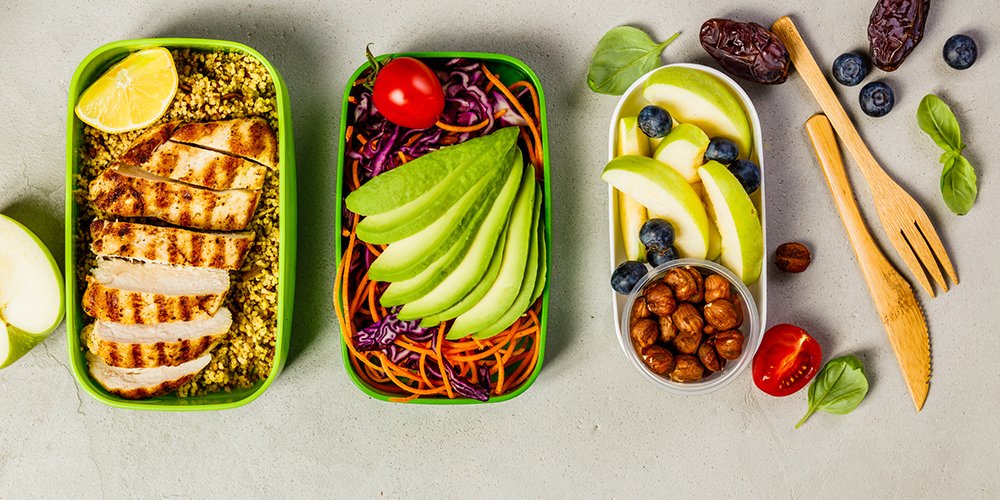
Introduction to Healthy Food Choices Daily
Healthy food choices daily are the foundation of long-term wellness, energy, and disease prevention. In today’s fast-paced world, many people rely on processed or convenience foods, which often lack essential nutrients. By focusing on consistent, balanced eating habits, individuals can significantly improve their physical health, mental clarity, and overall quality of life without following restrictive diets or temporary nutrition trends.
The concept of healthy food choices daily is not about perfection but about building sustainable habits that support the body every day. Small, consistent improvements such as adding more vegetables, choosing whole grains, and reducing sugar intake can create lasting positive changes. Over time, these habits help maintain stable energy levels and strengthen the immune system naturally.
Understanding Balanced Nutrition and Food Quality
Balanced nutrition is the practice of consuming the right mix of nutrients in appropriate proportions to support the body’s needs. It includes carbohydrates for energy, proteins for repair, fats for brain function, vitamins, and minerals for overall health. Understanding food quality is equally important, as whole and minimally processed foods provide more nutritional value compared to refined alternatives.
When people follow healthy food choices daily, they naturally begin to prioritize nutrient-dense foods over empty-calorie options. This shift helps regulate metabolism, improve digestion, and maintain a healthy weight. Choosing quality ingredients also reduces the risk of chronic conditions such as diabetes, heart disease, and obesity.
Building a Healthy Food Plate for Everyday Eating
A healthy food plate is a simple visual guide that helps structure meals in a balanced way. Typically, half of the plate should consist of fruits and vegetables, one-quarter should include whole grains, and the remaining quarter should contain protein sources. This method ensures that meals are both satisfying and nutritionally complete.
Following healthy food choices daily through the plate method makes it easier to avoid overeating and nutrient imbalance. It encourages portion control while still allowing flexibility in food selection. Over time, this approach becomes a natural habit that supports long-term wellness and reduces confusion around meal planning.
Essential Healthy Food Groups for Daily Nutrition
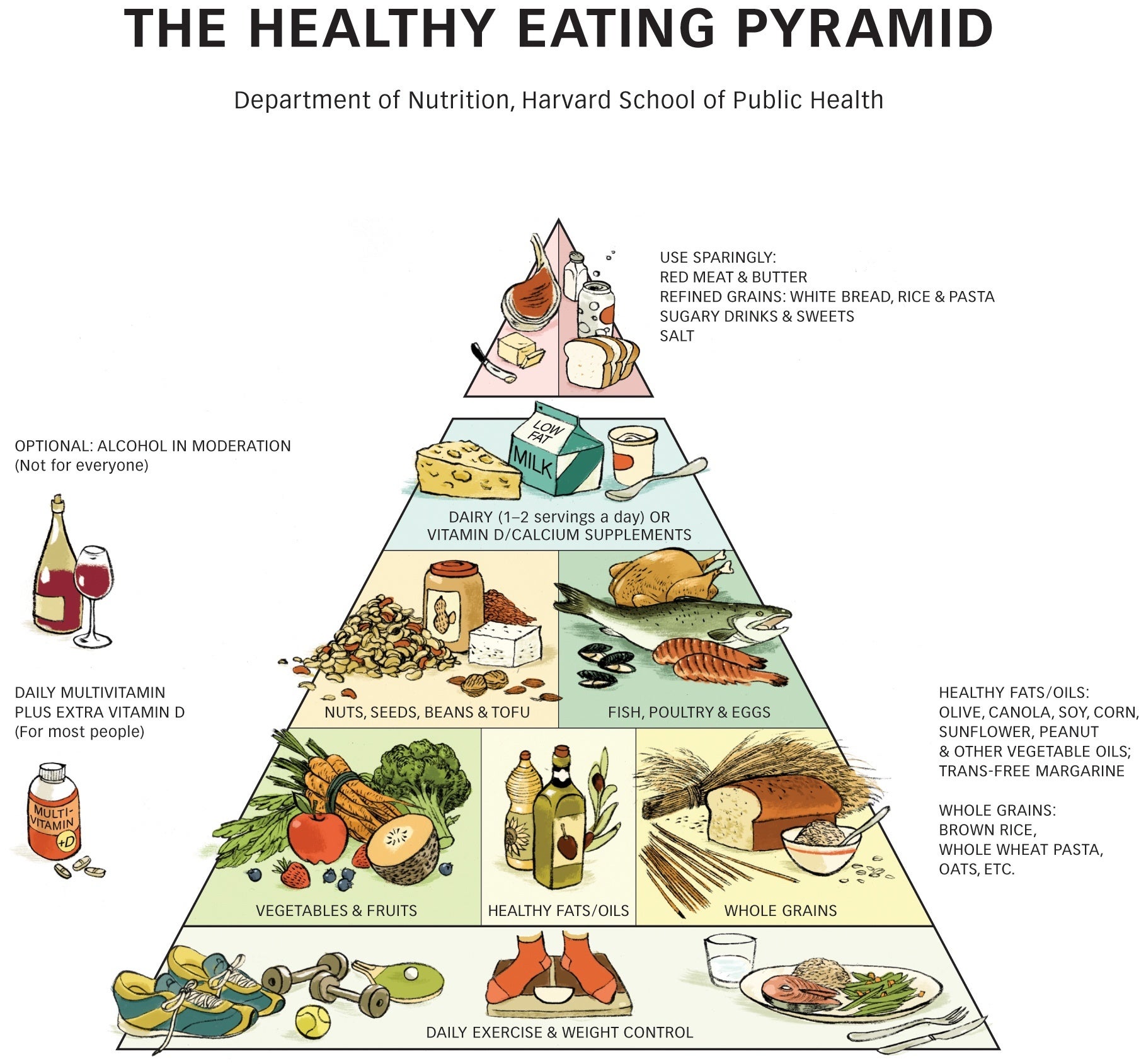
Healthy nutrition depends on including a variety of essential food groups in daily meals. Fruits and vegetables provide antioxidants and fiber, whole grains supply steady energy, and proteins support muscle repair and immune strength. Healthy fats also play a crucial role in brain function and hormone balance.
Incorporating these groups into healthy food choices daily ensures that the body receives all necessary nutrients. Foods such as leafy greens, oats, lean meats, nuts, and legumes should be consumed regularly. A diverse diet not only improves physical health but also enhances mental performance and emotional stability.
Practical Healthy Food Ideas for Daily Meals
Healthy eating becomes easier when simple meal ideas are part of daily routines. Breakfast options such as oats with fruits or eggs with whole-grain toast provide long-lasting energy. Lunch can include grilled chicken salads or lentil bowls, while dinner may feature baked fish with vegetables or plant-based stir-fries.
Adopting healthy food choices daily does not require complicated recipes or expensive ingredients. Instead, focusing on simple, home-cooked meals ensures better control over ingredients and portion sizes. These practical food choices help maintain consistency and reduce reliance on unhealthy fast food options.
Smart Meal Planning and Healthy Cooking Habits
Meal planning is an essential strategy for maintaining consistent nutrition. Planning meals in advance helps reduce impulsive eating decisions and ensures a balanced intake of nutrients throughout the week. Preparing ingredients ahead of time also saves effort and encourages healthier food selection.
Healthy cooking habits are equally important in supporting healthy food choices daily. Methods such as steaming, grilling, baking, and sautéing with minimal oil preserve nutrients and reduce unnecessary calories. Avoiding excessive salt, sugar, and processed sauces further enhances the quality of meals.
Healthy Eating for Different Lifestyles and Needs
Nutritional needs vary based on age, lifestyle, and health conditions. Children require nutrient-rich foods for growth, while adults may focus on maintaining energy and preventing disease. Older individuals often need diets that support bone health and digestion. Understanding these differences helps create more effective eating habits.
For individuals managing conditions such as diabetes or heart disease, healthy food choices daily should focus on low-sugar, high-fiber, and heart-friendly ingredients. Similarly, active individuals may require higher protein intake. Personalized nutrition ensures that each body receives the right support for its specific needs.
Common Mistakes in Daily Eating Habits
One of the most common mistakes in daily nutrition is relying heavily on processed and fast foods. These options are often high in unhealthy fats, sugar, and sodium, which can negatively affect long-term health. Another frequent issue is skipping meals, which can lead to overeating later in the day.
Misunderstanding diet trends is also a major problem. Many people assume that labeled “diet foods” are automatically healthy, but this is not always true. Maintaining healthy food choices daily requires awareness, balance, and a focus on whole foods rather than marketing claims.
Benefits of Following Healthy Food Choices Daily
The benefits of maintaining healthy food choices daily extend far beyond physical appearance. A balanced diet improves energy levels, supports mental clarity, and enhances focus throughout the day. It also strengthens the immune system, helping the body fight infections more effectively.
Long-term benefits include better weight management, improved heart health, and reduced risk of chronic illnesses. Consistent healthy eating habits also contribute to emotional well-being and higher productivity, making it easier to maintain an active and fulfilling lifestyle.
Conclusion: Creating Sustainable Healthy Habits
Building sustainable eating habits requires consistency rather than perfection. Healthy food choices daily should be seen as a lifestyle approach rather than a temporary diet. Small, realistic changes such as increasing vegetable intake or reducing sugary drinks can gradually lead to significant improvements in health.
Ultimately, long-term success comes from making informed and mindful food decisions every day. When healthy eating becomes a natural part of life, it supports not only physical wellness but also mental and emotional balance. Over time, these habits create a strong foundation for a healthier future.
You may also read: Essential Clean Eating Food List for Beginners