Introduction to a Balanced Healthy Eating Plan
A balanced healthy eating plan is a long-term approach to nutrition that focuses on variety, moderation, and consistency rather than strict dieting rules. In the UK, many people are shifting away from restrictive eating habits and moving toward more sustainable ways of managing health. This type of eating plan ensures the body receives essential nutrients from whole foods while reducing dependence on processed meals, sugary snacks, and high-fat convenience foods that can negatively affect energy and wellbeing.
At its core, a balanced healthy eating plan is not about perfection but about making better daily choices that gradually improve overall health. It supports stable energy levels, better digestion, and long-term weight management without extreme restrictions. Instead of focusing on quick fixes, it encourages building habits that can realistically be maintained throughout life. This makes it especially relevant for individuals in the UK looking for practical, affordable, and flexible dietary improvements.
Core Principles of a Balanced Healthy Eating Plan
The foundation of a balanced healthy eating plan lies in understanding how macronutrients and micronutrients work together in the body. Carbohydrates provide energy, proteins support muscle repair and growth, and fats are essential for hormone production and brain health. A well-balanced diet does not eliminate any of these but instead ensures they are consumed in appropriate proportions. This creates a stable nutritional system that supports both physical and mental performance.
Another key principle is consistency rather than restriction. A balanced healthy eating plan encourages people to build sustainable habits such as eating regular meals, staying hydrated, and controlling portion sizes. It also focuses on reducing ultra-processed foods while increasing nutrient-dense options like vegetables, fruits, and whole grains. When applied correctly, these principles help create a lifestyle that naturally supports health without requiring constant dieting or complicated rules.
Food Groups in a Balanced Healthy Eating Plan
A successful balanced healthy eating plan includes a wide variety of food groups that work together to provide complete nutrition. Fruits and vegetables are essential because they supply fibre, vitamins, and antioxidants that support immune health and digestion. In the UK, dietary guidance often recommends filling at least half of the plate with these plant-based foods to ensure proper nutrient intake and long-term health benefits.
Whole grains, lean proteins, and healthy fats complete the structure of a nutritious diet. Foods such as oats, brown rice, fish, beans, and olive oil provide energy and support bodily functions. A balanced healthy eating plan also encourages limiting foods high in sugar, salt, and saturated fat, as these can contribute to chronic health issues when consumed excessively. The goal is not elimination but moderation and smart food selection.
How to Build Balanced Meals in Everyday Life

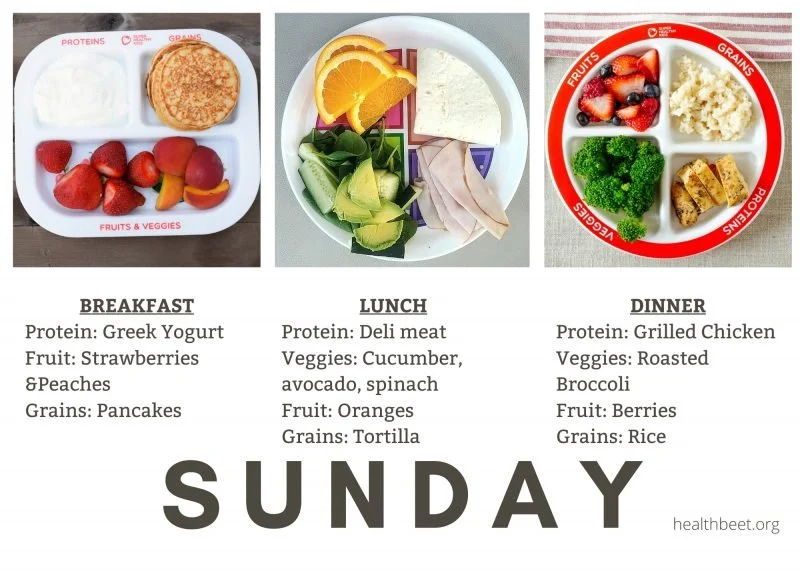
Creating meals within a balanced healthy eating plan can be simple when using a structured plate method. Typically, half of the plate should consist of vegetables and fruits, while the remaining half is divided between protein and carbohydrates. This visual method makes portion control easier without needing calorie counting or complex tracking systems, making it ideal for busy lifestyles in the UK.
Practical meal building also involves choosing nutrient-rich ingredients that provide sustained energy. A balanced healthy eating plan might include breakfast options like oats with fruit, lunch meals featuring lean protein with salads, and dinners combining vegetables with whole grains. Snacks such as nuts or yogurt can help maintain energy between meals. This approach ensures that eating remains satisfying while still supporting long-term health goals.
Planning a 7-Day Healthy Eating Plan in the UK
A structured balanced healthy eating plan often includes a weekly approach, such as a 7-day meal framework. This method helps reduce decision fatigue by providing clear daily meal ideas while ensuring nutritional balance throughout the week. It is especially useful for beginners who want guidance on how to maintain consistency without feeling overwhelmed by daily food choices.
A 7-day healthy eating plan can also be adapted for specific goals, including weight management or general wellness improvement. Many people in the UK prefer this approach because it supports meal preparation and budgeting. By planning meals ahead, individuals can avoid unhealthy last-minute food choices while maintaining control over ingredients, portion sizes, and nutritional quality throughout the week.
Long-Term Success with a Balanced Healthy Eating Plan
Sustaining a balanced healthy eating plan requires a focus on long-term habits rather than short-term diets. One of the most effective strategies is gradual improvement, such as slowly increasing vegetable intake or reducing sugary drinks. These small changes become more impactful over time and are easier to maintain compared to strict dietary restrictions that are difficult to follow consistently.
Long-term success also depends on flexibility and awareness. A balanced healthy eating plan should adapt to different lifestyles, social situations, and personal preferences without causing stress or guilt. Understanding that occasional indulgences are part of a healthy lifestyle helps maintain balance and prevents burnout. Ultimately, this approach creates a sustainable relationship with food that supports overall wellbeing and long-term health stability.
You may also read: Building a Healthy Food Plate for Everyday Eating