Sleep is one of the most essential biological functions that directly affects physical health, emotional balance, and cognitive performance. When people follow effective sleep tips for better health, they often notice improvements in energy levels, focus, immunity, and mood stability. Sleep is not just rest; it is a recovery process where the body repairs tissues, regulates hormones, and strengthens brain function for the next day.
In modern lifestyles, sleep quality is often compromised due to stress, digital exposure, and irregular routines. Understanding and applying practical sleep tips for better health can help restore natural balance without relying on medication. These habits are especially important in fast-paced environments where long working hours and screen time disrupt the body’s natural sleep cycle.
Understanding Sleep and Its Role in Better Health
Sleep works in cycles that include light sleep, deep sleep, and REM sleep, each serving a unique function in maintaining overall health. Deep sleep supports physical recovery, while REM sleep enhances memory, learning, and emotional processing. When these cycles are interrupted, the body struggles to function efficiently, leading to fatigue and reduced mental clarity during the day.
A key part of applying sleep tips for better health is understanding the circadian rhythm, which acts as the body’s internal clock. This rhythm is influenced by light exposure, meal timing, and daily habits. When disrupted by late-night screen use or inconsistent sleep schedules, it can lead to insomnia, low energy, and long-term health issues if not corrected early.
Core Sleep Hygiene Habits for Better Rest
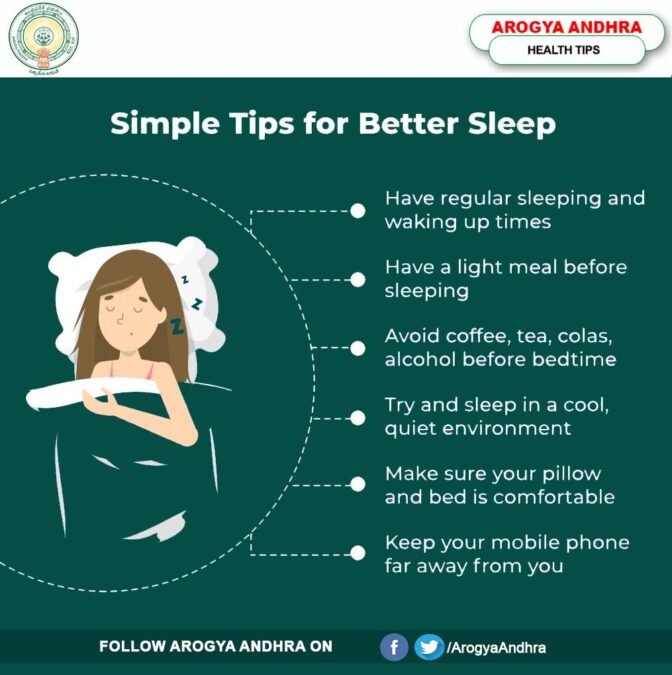
One of the most effective sleep tips for better health is maintaining a consistent sleep schedule. Going to bed and waking up at the same time every day helps regulate the internal clock and improves sleep quality over time. Even on weekends, consistency is important because irregular sleep patterns can confuse the body and delay natural sleep onset.
Creating a proper sleep environment is equally important for improving rest quality. A dark, quiet, and cool bedroom supports deeper sleep by reducing sensory distractions. Avoiding caffeine, heavy meals, and electronic devices before bedtime also plays a crucial role. These simple sleep hygiene practices work together to signal the brain that it is time to relax and transition into rest.
Lifestyle Habits That Naturally Improve Sleep Quality

Daily lifestyle choices significantly influence sleep quality and overall wellbeing. Regular physical activity is one of the most effective natural methods for improving sleep. Exercise reduces stress hormones, improves circulation, and increases the amount of deep sleep experienced at night. However, timing is important, as exercising too late can sometimes make it harder to fall asleep.
Exposure to natural daylight is another powerful factor in improving sleep. Morning sunlight helps reset the circadian rhythm and boosts alertness throughout the day. Following consistent sleep tips for better health, such as spending time outdoors and maintaining an active daytime routine, ensures that the body naturally prepares for rest when night arrives.
Nutrition and Foods That Support Better Sleep
Diet plays a crucial role in determining sleep quality, as certain foods can either promote relaxation or disrupt rest. Foods rich in magnesium, tryptophan, and complex carbohydrates help the body produce sleep-regulating hormones like melatonin. Ingredients such as oats, bananas, nuts, and herbal teas are often recommended for improving nighttime relaxation naturally.
On the other hand, consuming sugar, caffeine, or heavy meals close to bedtime can interfere with sleep cycles. These stimulants keep the nervous system active when it should be slowing down. Following nutrition-based sleep tips for better health helps reduce nighttime awakenings and encourages deeper, more restorative sleep patterns that support long-term wellness.
Exercise and Physical Activity for Better Sleep Health
Exercise is one of the most reliable natural tools for improving sleep quality. Physical activity helps regulate body temperature, reduce anxiety, and balance hormones that influence sleep cycles. People who exercise regularly often experience faster sleep onset and improved deep sleep duration, making it easier to wake up feeling refreshed.
Fitness environments such as gyms, swimming pools, and community centres can support structured activity routines. Participating in consistent movement, whether through walking, cycling, or swimming, enhances overall health. These exercise-focused sleep tips for better health are especially effective when combined with a balanced daily routine and proper recovery time.
Digital Habits, Stress Management, and Mental Wellbeing
Modern technology has introduced one of the biggest challenges to healthy sleep patterns. Exposure to screens before bedtime delays melatonin production, making it harder to fall asleep naturally. Reducing screen time in the evening is one of the most important sleep tips for better health, especially for individuals who rely heavily on digital devices.
Mental stress and anxiety also play a major role in sleep disruption. Overthinking or emotional tension can keep the brain active even when the body is tired. Relaxation techniques such as deep breathing, meditation, or journaling help calm the mind and prepare it for rest. Improving mental wellbeing is essential for achieving consistent and high-quality sleep.
NHS Better Health Support and Sleep Improvement Tools
In the UK, health initiatives such as NHS Better Health provide structured guidance for improving lifestyle habits, including sleep, diet, and physical activity. These programs offer practical tools that help individuals track their progress and build healthier routines over time. Digital platforms make it easier to stay consistent with positive habits.
Using resources like the Better Health app or NHS Better Health app can reinforce healthy behaviour changes. These tools support users by providing reminders, goal tracking, and personalized advice. When combined with practical sleep tips for better health, they help create a structured approach to improving sleep quality and long-term wellbeing.
Common Sleep Problems and Natural Solutions
Many individuals struggle with sleep-related challenges such as difficulty falling asleep, frequent night waking, or feeling tired after long hours in bed. These issues are often caused by stress, poor routines, or environmental disturbances. Identifying the root cause is essential for applying the right solutions and restoring healthy sleep patterns.
If sleep problems persist over time, it may be necessary to seek professional guidance. Consistently applying sleep tips for better health can significantly improve mild to moderate sleep issues, but persistent conditions may require medical evaluation. Early intervention helps prevent long-term complications and supports better overall health outcomes.
Building a Sustainable Sleep Routine for Long-Term Health
Developing a strong sleep routine requires consistency, patience, and gradual lifestyle adjustments. Simple steps such as maintaining a fixed bedtime, reducing late-night stimulation, and improving sleep environment quality can lead to significant improvements over time. These habits help the body adapt naturally to a healthier sleep cycle.
Long-term success depends on maintaining these behaviours consistently. The most effective sleep tips for better health are not quick fixes but sustainable lifestyle changes. Over time, these habits lead to improved energy levels, better emotional balance, and stronger physical health, creating a foundation for long-term wellbeing and productivity.
You may also read: How to Build Balanced Meals in Everyday Life