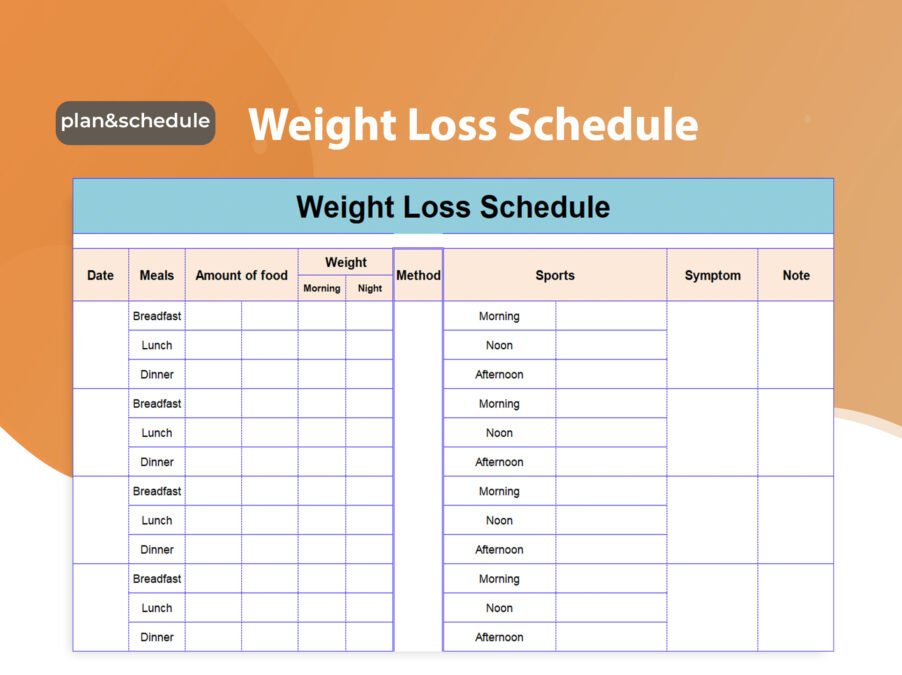
A weight management plan is more than just a short-term diet—it is a long-term lifestyle strategy designed to help individuals achieve and maintain a healthy body weight safely. In modern health guidance, especially within NHS-style approaches, the focus is on gradual progress, balanced nutrition, and sustainable habits rather than extreme restrictions. This makes a weight management plan suitable for people who want lasting results without harming their physical or mental wellbeing.
In today’s fast-paced lifestyle, many individuals struggle with inconsistent eating patterns, lack of physical activity, and stress-related weight gain. A structured weight management plan helps address these challenges by creating clarity and routine. It encourages healthier decisions daily, improves energy levels, and reduces the risk of chronic conditions such as diabetes, heart disease, and obesity, while also supporting emotional balance and confidence over time.
What Is a Weight Management Plan
A weight management plan is a structured framework that combines nutrition, physical activity, and behavioural changes to support healthy weight control. Unlike crash diets or temporary programs, it focuses on long-term sustainability. The aim is not just weight loss but also maintaining results in a stable and healthy way, which makes the approach more realistic and effective for everyday life.
At its core, a weight management plan works by balancing energy intake and energy expenditure. This means consuming the right amount of calories based on lifestyle while staying active enough to burn excess energy. It also encourages mindful eating habits, portion awareness, and emotional control around food, helping individuals build a healthier relationship with eating rather than relying on strict or restrictive methods.
Core Principles of NHS-Style Weight Management Plan
An NHS-style weight management plan is built on scientifically proven principles that prioritise safety and sustainability. One of the most important principles is balanced nutrition, which includes consuming a variety of whole foods such as fruits, vegetables, lean proteins, and whole grains. This ensures the body receives essential nutrients while maintaining controlled calorie intake for gradual weight loss.
Another key principle of a weight management plan is consistency in lifestyle habits. This includes regular physical activity, adequate sleep, and stress management. Instead of focusing on quick fixes, the NHS approach encourages small, realistic changes that can be maintained over time. This makes the weight management plan more effective in preventing weight regain and supporting long-term health improvements.
How to Build an Effective Weight Management Plan Step by Step

Creating a successful weight management plan begins with setting realistic and measurable goals. These goals should focus on gradual improvements such as increasing daily steps, improving meal quality, or reducing sugary food intake. Setting achievable targets helps build confidence and keeps motivation stable throughout the journey without causing unnecessary pressure or burnout.
The next step in a weight management plan is developing a structured routine that includes meals, exercise, and tracking progress. Planning weekly meals in advance reduces unhealthy food choices, while scheduling physical activity ensures consistency. Tracking habits using journals or apps also helps identify patterns and areas that need improvement, making the overall process more organised and effective.
Nutrition and Foods in a Weight Management Plan
Nutrition plays a central role in any weight management plan because food directly impacts energy levels, metabolism, and overall health. A balanced diet should include a variety of nutrient-dense foods such as vegetables, fruits, lean meats, fish, legumes, and whole grains. These foods provide essential vitamins and minerals while keeping calorie intake under control.
At the same time, a weight management plan requires reducing the intake of processed foods, sugary drinks, and high-fat snacks. These items often contain empty calories that contribute to weight gain without providing nutritional value. Instead, focusing on whole, minimally processed foods helps maintain satiety, stabilise blood sugar levels, and support long-term weight control in a sustainable way.
Exercise, Activity, and Lifestyle Changes
Physical activity is a vital component of a successful weight management plan because it helps burn calories, improve cardiovascular health, and build muscle strength. Activities such as walking, cycling, swimming, and strength training can be combined to create a balanced fitness routine. The NHS recommends at least 150 minutes of moderate exercise weekly for optimal health benefits.
Lifestyle changes are equally important in a weight management plan. Simple adjustments such as taking the stairs, reducing sedentary time, and improving sleep quality can significantly impact results. Managing stress through relaxation techniques also supports better decision-making around food and prevents emotional eating, making the overall plan more effective and sustainable in the long run.
Common Mistakes and Long-Term Success
One of the most common mistakes in a weight management plan is expecting rapid results. Quick fixes often lead to disappointment and weight regain because they are not sustainable. A better approach is to focus on gradual progress, allowing the body to adapt naturally while building healthier habits that last over time.
Another mistake is inconsistency in following the weight management plan. Many individuals start with motivation but lose direction after a few weeks. Long-term success depends on consistency, patience, and flexibility. Adjusting the plan when needed and staying committed to small daily improvements ensures better results and helps maintain a healthy weight permanently.
Conclusion
A well-structured weight management plan is one of the most effective ways to achieve safe, long-term weight control without compromising health. By focusing on balanced nutrition, regular physical activity, and sustainable behavioural changes, individuals can improve not only their body weight but also their overall quality of life. The NHS-style approach ensures that progress remains steady and realistic.
Ultimately, the success of a weight management plan depends on consistency and mindset. Instead of chasing quick results, adopting long-term habits leads to lasting transformation. When healthy eating and active living become part of daily life, maintaining a stable weight becomes natural, making the journey both rewarding and sustainable for the future.
You may also read: Practical Healthy Weight Control Tips