Healthy weight control tips are not about extreme dieting or short-term transformations, but about building sustainable habits that support long-term wellbeing. In today’s fast-paced world, many people seek quick results, yet true health is achieved through consistency, balance, and realistic expectations. Understanding this foundation is essential before starting any weight management journey, especially when aiming for lasting results rather than temporary changes.
The concept of healthy weight control tips focuses on improving lifestyle choices such as nutrition, activity levels, and daily routines. Instead of restrictive eating patterns, it encourages flexibility and awareness, helping individuals maintain energy, avoid nutritional deficiencies, and prevent weight cycling. This approach is more effective because it prioritizes long-term stability over rapid, unsustainable outcomes.
Understanding a Healthy Weight for Your Body
A healthy weight is not a universal number; it varies from person to person depending on height, age, gender, muscle mass, and genetics. Many people mistakenly compare themselves to others, but the reality is that what is healthy for one individual may not be ideal for another. This is why personalized evaluation is more accurate than generic assumptions when applying healthy weight control tips.
Tools such as BMI calculators and health assessments provide useful guidance, but they should be interpreted carefully. A balanced perspective considers not just numbers but also overall fitness, energy levels, and body composition. When people ask what is a healthy weight for me, the answer always involves multiple factors, not just a single figure on a scale.
Healthy Weight Charts and Body Ranges
Healthy weight charts are often used as a reference point to understand general weight ranges based on height and gender. While they are helpful, they should not be treated as strict rules. For example, healthy weight ranges for women differ depending on whether someone is 5’2, 5’4, or 5’6, but muscle mass and lifestyle also significantly influence these figures.
Similarly, men have different weight ranges, such as a healthy weight for a 6ft male, which tends to be higher due to increased muscle density. However, charts cannot reflect individual differences such as athletic build or body fat percentage. Therefore, healthy weight control tips should always be applied with flexibility rather than rigid comparison to standardized charts.
Practical Healthy Weight Control Tips

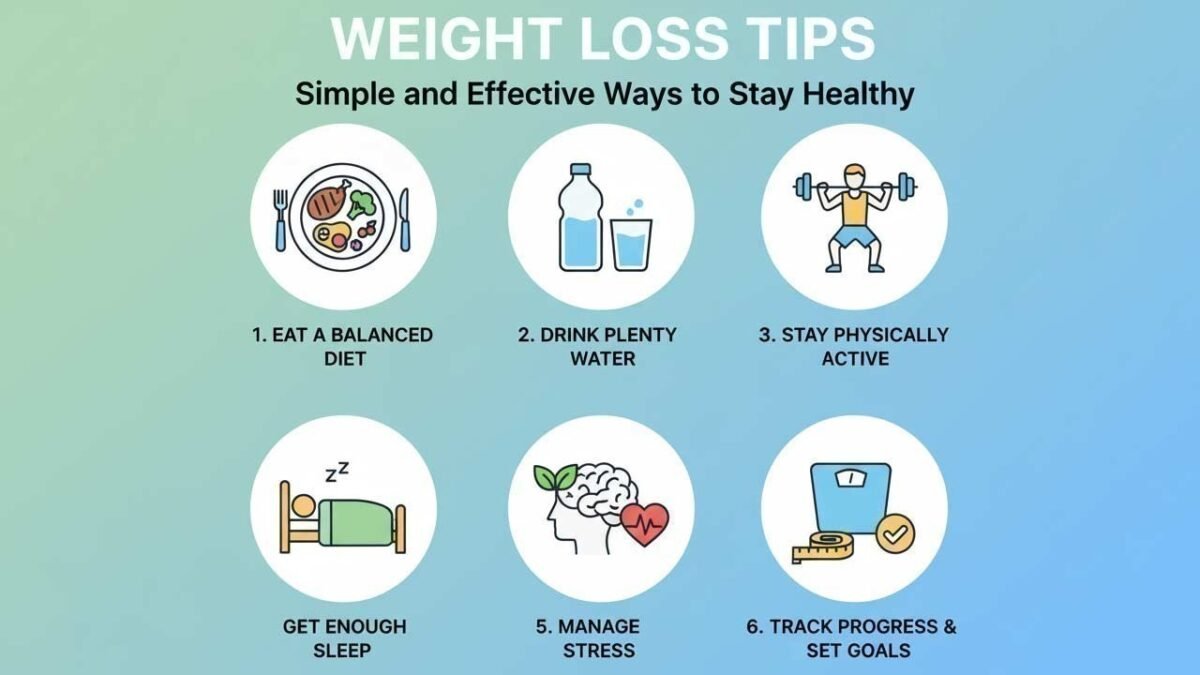
One of the most effective healthy weight control tips is focusing on whole, nutrient-dense foods instead of processed meals. Eating vegetables, fruits, lean proteins, and whole grains helps regulate appetite naturally while improving overall nutrition. Portion control also plays a key role, as even healthy foods can contribute to weight gain if consumed in excess.
Another important strategy is consistency in eating habits. Planning balanced meals and including healthy weight loss meals in daily routines helps avoid impulsive food choices. Reducing sugary drinks, increasing water intake, and maintaining fiber-rich foods also supports digestion and satiety, making it easier to manage weight without strict dieting rules.
Exercise and Physical Activity for Sustainable Weight
Physical activity is a core component of long-term weight management and enhances the effectiveness of healthy weight control tips. Regular movement, such as walking, cycling, or swimming, helps burn calories while improving cardiovascular health. Experts generally recommend at least 150 minutes of moderate exercise weekly for noticeable health benefits.
Strength training is equally important because it builds lean muscle mass, which increases metabolism over time. Even small lifestyle changes, such as taking stairs or walking more during the day, contribute significantly to energy balance. When combined with proper nutrition, exercise supports sustainable fat loss and improves overall physical performance.
Lifestyle Habits That Support Long-Term Control
Sustainable weight management depends heavily on lifestyle habits beyond diet and exercise. Sleep quality, stress management, and emotional wellbeing all play critical roles in maintaining a healthy weight. Poor sleep can disrupt hormones that regulate hunger, leading to increased cravings and overeating, which can negatively affect progress.
Mindful eating is another essential habit that enhances healthy weight control tips. It encourages individuals to focus on hunger signals, eat slowly, and avoid distractions during meals. This approach reduces overeating and helps build a healthier relationship with food, making long-term weight management more achievable and less stressful.
Tools, Tracking, and Weight Maintenance
Modern tools such as healthy weight calculators and tracking apps can provide valuable insights into progress. These tools help individuals understand calorie intake, activity levels, and overall trends. However, they should be used as supportive guides rather than strict rules, as over-reliance on numbers can sometimes lead to unnecessary stress.
Maintaining weight after reaching a goal is often more challenging than losing it initially. This is where consistent application of healthy weight control tips becomes essential. Focusing on balanced eating, regular activity, and flexible routines helps prevent weight regain and ensures long-term stability without the need for constant dieting.
Conclusion on Sustainable Weight Management
Healthy weight control is ultimately about creating a lifestyle that can be maintained over time without discomfort or restriction. Instead of focusing on short-term results, individuals benefit more from gradual improvements that support both physical and mental health. This balanced approach ensures that progress is steady, realistic, and sustainable.
By consistently applying healthy weight control tips, individuals can achieve long-lasting results while maintaining energy, confidence, and overall wellbeing. The key is not perfection but persistence, where small daily choices collectively create meaningful and lasting change in body weight and overall health.
You may also read: Morning Habits That Support a Healthy Heart