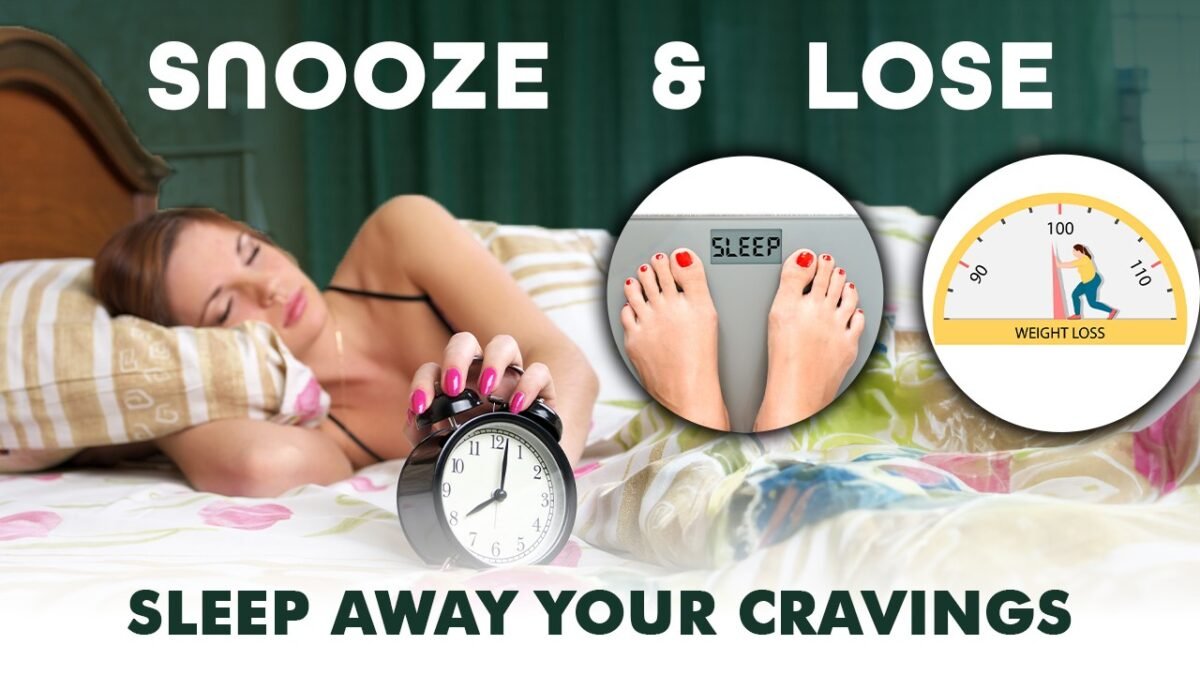
When people begin a weight-loss journey, they usually focus on calorie intake, exercise routines, and meal planning. While these factors are undoubtedly important, one critical element often receives far less attention than it deserves: sleep. Modern research continues to demonstrate that sleep is not simply a period of rest. It is an active biological process that influences metabolism, appetite, hormone production, energy levels, and overall body composition. Understanding how sleep affects weight loss can help individuals make smarter lifestyle decisions and achieve more sustainable results.
Sleep quality and sleep duration have become major public health concerns worldwide. Many adults regularly sleep less than the recommended seven to nine hours per night due to work demands, stress, technology use, and lifestyle habits. Unfortunately, chronic sleep deprivation can interfere with the body’s ability to regulate hunger, burn calories efficiently, and maintain healthy energy levels. As a result, improving sleep may be one of the most effective yet overlooked strategies for supporting long-term fat loss and overall health.
Understanding the Connection Between Sleep and Weight Loss
The relationship between sleep and body weight is complex, but scientific evidence consistently shows that these two factors are closely linked. During sleep, the body performs essential maintenance tasks that support physical recovery, hormonal balance, and metabolic function. These processes help regulate how the body uses energy and stores fat throughout the day. When sleep quality suffers, many of these systems become less efficient, creating conditions that make weight loss more challenging.
Learning how sleep affects weight loss begins with understanding that the body operates on internal biological rhythms. These rhythms influence hunger signals, energy production, and calorie utilization. When sleep is consistently disrupted, the body’s natural balance can be disturbed. This disruption often leads to increased appetite, reduced motivation for physical activity, and a greater tendency to gain weight over time. Therefore, sleep should be considered just as important as nutrition and exercise in any comprehensive weight-management plan.
How Sleep Influences Hunger and Appetite
One of the strongest links between sleep and weight management involves hormones that regulate appetite. Two key hormones, ghrelin and leptin, work together to control feelings of hunger and fullness. Ghrelin stimulates appetite and encourages food intake, while leptin signals the brain that the body has consumed enough food. Healthy sleep helps maintain a proper balance between these hormones, allowing individuals to manage hunger more effectively.
Insufficient sleep can disrupt this delicate hormonal system. Studies have shown that people who regularly sleep too little often experience higher levels of ghrelin and lower levels of leptin. This imbalance can increase feelings of hunger even when the body does not require additional calories. As a result, sleep-deprived individuals may consume larger portions, snack more frequently, and crave high-calorie foods. These behavioral changes provide a clear example of how sleep affects weight loss efforts and overall dietary control.
The Impact of Sleep on Metabolism and Fat Burning

Metabolism refers to the collection of processes that convert food into usable energy. A healthy metabolism helps the body efficiently burn calories and maintain a balanced weight. Sleep plays an important role in supporting metabolic health because many critical regulatory functions occur during the sleeping hours. These functions influence how the body processes carbohydrates, fats, and proteins throughout the day.
Poor sleep can reduce metabolic efficiency and negatively affect insulin sensitivity. When insulin sensitivity decreases, the body becomes less effective at managing blood sugar levels. Excess glucose may then be stored as fat rather than used as energy. Over time, this can contribute to weight gain and make fat loss more difficult. This is another important reason why understanding how sleep affects weight loss is essential for anyone seeking long-term improvements in body composition and health.
Deep Sleep, REM Sleep, and Body Recovery
Sleep is composed of multiple stages, each serving a specific purpose. Deep sleep is often considered the most physically restorative stage because it supports tissue repair, immune function, muscle recovery, and hormone production. During this period, the body works to repair daily wear and tear while preparing for the demands of the following day. These restorative processes contribute directly to overall health and physical performance.
REM sleep, or rapid eye movement sleep, is equally important for mental and emotional recovery. During REM sleep, the brain processes information, consolidates memories, and regulates mood. Poor REM sleep may contribute to impaired decision-making and increased emotional eating. Together, deep sleep and REM sleep create the foundation for healthy recovery and metabolic function. Individuals who consistently achieve sufficient amounts of both sleep stages are generally better equipped to manage their weight and maintain healthy lifestyle habits.
Sleep Deprivation and Increased Weight Gain Risk
Sleep deprivation affects much more than simple tiredness. A lack of sleep can trigger a cascade of physiological changes that increase the likelihood of weight gain. One of the most significant effects involves elevated cortisol levels. Cortisol is often called the stress hormone because it rises in response to physical and emotional stress. Chronic elevation of cortisol has been associated with increased appetite and abdominal fat storage.
In addition to hormonal changes, sleep deprivation often reduces daily physical activity. People who feel fatigued are less likely to engage in regular exercise or maintain active lifestyles. Even small reductions in movement throughout the day can have a meaningful impact on calorie expenditure over time. When combined with increased hunger and poor food choices, these factors demonstrate clearly how sleep affects weight loss and why adequate sleep should be considered a fundamental component of any fat-loss strategy.
Sleep Apnea and Its Effect on Weight Management
Sleep apnea is one of the most common sleep disorders affecting adults worldwide. The condition causes repeated interruptions in breathing during sleep, preventing the body from achieving restful and restorative sleep cycles. Common sleep apnea symptoms include loud snoring, excessive daytime fatigue, morning headaches, and difficulty concentrating. Many individuals remain undiagnosed for years, unaware that their sleep quality is being severely compromised.
The connection between sleep apnea and weight management is significant. Poor-quality sleep caused by sleep apnea can worsen hormonal imbalances, increase fatigue, and reduce motivation for healthy behaviors. Many individuals also wonder whether sleep apnea can cause serious health problems. In severe cases, untreated sleep apnea may contribute to cardiovascular complications and metabolic dysfunction. Treatments such as a sleep apnea machine, commonly known as CPAP therapy, can improve sleep quality and support healthier weight-management efforts.
Natural Ways to Improve Sleep Quality
Improving sleep quality does not always require complex interventions. Simple lifestyle adjustments can often produce meaningful improvements in both sleep duration and sleep quality. Establishing a consistent sleep schedule is one of the most effective strategies. Going to bed and waking up at the same time each day helps regulate the body’s internal clock and promotes more restorative sleep cycles.
Creating an environment that supports sleep is equally important. A cool, dark, and quiet bedroom can help reduce disruptions and improve sleep efficiency. Limiting screen exposure before bedtime may also support healthier sleep patterns because electronic devices emit blue light that can interfere with melatonin production. Small improvements in sleep hygiene often generate significant benefits for both overall health and weight management.
Magnesium, Sleep Supplements, and Sleep Meditation
Interest in natural sleep aids has increased substantially in recent years. Magnesium for sleep is frequently discussed because magnesium plays an important role in muscle relaxation, nervous system regulation, and overall sleep quality. While magnesium is not a miracle solution, individuals with low magnesium levels may experience noticeable improvements in sleep after addressing deficiencies through diet or supplementation.
Sleep meditation has also become a popular tool for promoting relaxation and reducing stress before bedtime. Guided meditation, mindfulness exercises, and breathing techniques may help calm the mind and create a smoother transition into sleep. Some individuals also use products such as sleep-support gummies to enhance relaxation. While supplements can be helpful in certain situations, they should be viewed as supportive tools rather than replacements for healthy sleep habits and lifestyle practices.
Conclusion
The evidence linking sleep and weight management continues to grow, highlighting the importance of quality rest as part of a healthy lifestyle. Understanding how sleep affects weight loss reveals that sleep influences nearly every major factor involved in body-weight regulation, including appetite, metabolism, hormone balance, energy levels, and recovery. Without sufficient sleep, even well-designed nutrition and exercise plans may produce slower or less sustainable results.
Prioritizing sleep is one of the most practical and effective ways to support long-term fat loss and overall well-being. Whether the goal is improving metabolism, reducing cravings, increasing energy, or maintaining a healthier body composition, better sleep can make a meaningful difference. By combining quality sleep with balanced nutrition and regular physical activity, individuals can create a stronger foundation for lasting health and successful weight management.
You may also read: Creating a Fat Loss-Friendly Evening Nutrition Plan