The Rise of the “Slap-On” Weight Loss Trend
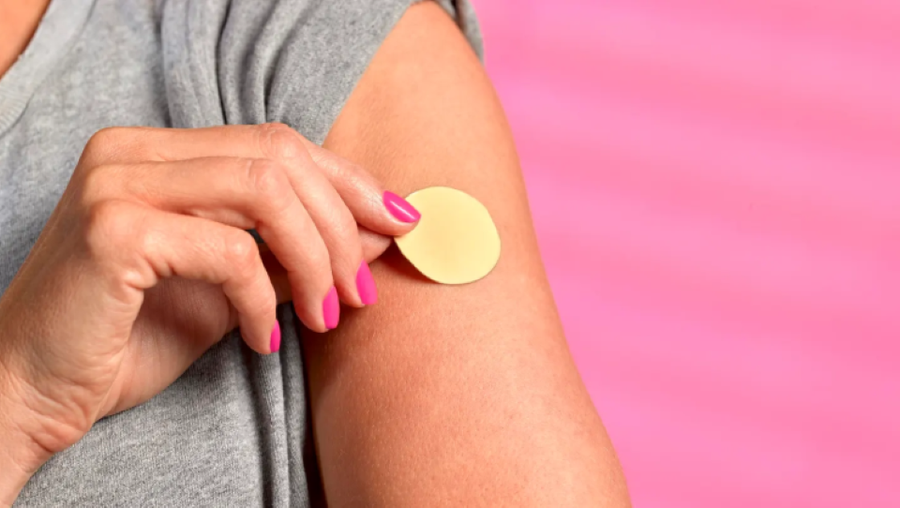
Have you noticed those sleek, tiny adhesive squares taking over your social media feeds lately? Marketed aggressively to anyone looking to shed pounds without needles, glp 1 patches have quickly become the latest viral sensation in the wellness space. They promise all the groundbreaking appetite-suppressing benefits of blockbuster weight loss drugs, but with a simple, pain-free application that bypasses your weekly injection routine entirely. The promise of achieving dramatic body transformations by simply wearing a discreet sticker appeals to millions of consumers who struggle with needle phobia or find the steep price tag of prescription medications completely out of reach.
Unfortunately, this highly polished social media buzz is hiding a much darker reality for hopeful consumers. While the convenience of a “slap-on” weight loss sticker sounds like a dream come true, the scientific truth is far less magical. As we dive into the facts, you will quickly see why these over-the-counter products are misleading buyers and why true medical experts are actively sounding the alarm. This trend thrives on clever branding and aggressive digital marketing, exploiting the public’s desperation for accessible weight management tools while offering absolutely nothing of medical value in return.
What Exactly Are Over-the-Counter “GLP-1 Patches”?
If you look closely at the ingredients of these viral products, you will find a massive gap between clever marketing and biological reality. Despite their deceptive naming, commercial glp 1 patches sold online do not contain a single drop of real semaglutide, tirzepatide, or any actual peptide hormones. Instead, manufacturers fill them with cheap herbal blends, green tea extract, ashwagandha, and caffeine. These ingredients are cheaply sourced and have never been clinically shown to pass through the skin barrier in therapeutic amounts, let alone mimic the sophisticated metabolic pathways of real pharmaceutical GLP-1 agonists.
Because these items are cleverly categorized as dietary supplements rather than pharmaceuticals, they slip through a massive regulatory loophole. Manufacturers do not have to prove these patches actually work—or are even safe—before shipping them to your door. They rely entirely on the massive popularity of prescription weight loss brands to trick unsuspecting buyers into purchasing glorified, expensive herbal stickers. This regulatory wild west allows wellness brands to make bold, borderline-deceptive claims on packaging, manipulating desperate shoppers who mistake these dietary supplements for genuine clinical breakthroughs.
The Science of Skin: Why Real GLP-1 Cannot Be Absorbed via Standard Patches
The biological reality is that your skin is an incredibly tough, protective shield designed to keep foreign substances out of your body. To pass naturally through this barrier, a molecule must be incredibly tiny. Real peptide hormones, like those used in legitimate weight loss therapies, are complex, giant molecular structures that simply cannot penetrate the skin’s outer layer. Your skin’s natural lipid barrier is specifically engineered to repel large compounds, which is why complex proteins must be injected directly into the subcutaneous fat to enter your bloodstream.
This molecular weight barrier means that standard, over-the-counter glp 1 patches are physically incapable of delivering active weight loss peptides into your bloodstream. Placing a basic adhesive sticker on your arm and expecting it to deliver large-molecule hormone therapy is scientifically impossible. Without highly specialized, prescription-grade delivery technology, the actual absorption rate of these herbal compounds through your skin is virtually zero. No matter how convincing the online testimonials may seem, basic transdermal stickers cannot override the fundamental laws of human biology and dermatology.
Risks and Side Effects of Using Unregulated Weight Loss Patches
Wasting your hard-earned money is not the only risk when buying unregulated glp 1 patches online. Many users report developing painful contact dermatitis, severe skin rashes, and localized chemical burns from the harsh synthetic adhesives used in these products. Because there is no strict quality control, you never truly know what chemicals are pressed against your skin for hours at a time. The cumulative irritation from wearing these non-breathable plastic films daily can cause long-term skin discoloration and leave your skin barrier highly compromised.
Furthermore, transdermal absorption of concentrated stimulants like caffeine or bitter orange can trigger sudden, uncomfortable physical reactions. Users frequently complain of rapid heartbeats, severe jitters, and elevated blood pressure. Worse still, relying on these fake patches delays people from seeking safe, clinically-proven obesity care from licensed medical professionals who can offer real help. Attempting to self-treat chronic metabolic issues with unregulated internet stickers only prolongs the struggle, keeping patients from obtaining medical therapies that actually target the biological root causes of weight gain.
The Future of Real Medicine: Microneedle Patches in Clinical Trials
While current over-the-counter stickers are highly deceptive, actual medical scientists are working on a revolutionary alternative. Researchers are actively developing high-tech microneedle arrays designed to deliver real peptide hormones painlessly. These advanced patches utilize microscopic, dissolvable needles that gently penetrate only the very top layer of skin to deliver genuine medication directly to your microcirculation. It is an incredibly elegant solution that could eventually eliminate the need for traditional subcutaneous needles altogether, offering a pain-free future for millions of people worldwide.
However, it is crucial to understand that this genuine medical technology is still undergoing rigorous testing. As of 2026, there are absolutely no FDA-approved prescription glp 1 patches available to the public. While clinical trials in animal models look highly promising, a safe, human-grade microneedle patch is still several years away from appearing at your local pharmacy. Transforming a delicate laboratory experiment into a mass-produced, shelf-stable, and FDA-cleared medical device is a long and highly scrutinized journey that cannot be rushed by trendy online startups.
Real, FDA-Approved Needle-Free GLP-1 Alternatives
If you suffer from severe needle anxiety but want real, clinically-proven weight loss results, you do not need to turn to sketchy online scams. Modern medicine already offers highly effective, FDA-approved oral alternatives that you can swallow. Daily oral semaglutide tablets are widely prescribed and scientifically proven to mimic the exact appetite-regulating effects of traditional weekly injections. These oral alternatives are subjected to the same strict clinical standards as injectable therapies, ensuring you receive precise dosing and predictable, scientifically verified therapeutic outcomes.
To access these legitimate, safe, and highly regulated treatments, you must bypass social media marketplaces entirely. Schedule a consultation with a licensed endocrinologist or weight management specialist who can evaluate your health history. They can safely guide you toward genuine, prescription-strength therapies that actually deliver the metabolic results you are looking for. A professional medical assessment ensures you are prescribed the exact molecule, dosage, and format required to support your metabolic health safely and sustainably without resorting to questionable online products.
Conclusion: Protect Your Wallet and Your Health
When it comes to your long-term health and metabolic wellness, there are simply no shortcuts. The current wave of over-the-counter glp 1 patches represents a deceptive marketing trend designed to exploit your desires for easy, affordable weight loss. Real, effective hormone therapies require strict medical supervision, precise dosing, and legitimate, FDA-approved delivery methods to work safely. Falling for quick-fix marketing only drains your bank account while exposing your body to unregulated, potentially harmful raw herbal compounds.
Before you spend your money on unproven internet trends, protect yourself by consulting a trusted healthcare provider. Legitimate weight loss journeys are built on scientific evidence, safe medical support, and sustainable lifestyle changes. Keep your wallet safe, ignore the viral marketing hype, and choose proven pathways that genuinely support your body’s health. Real health transformations do not come from a trendy online sticker; they are achieved through scientifically sound medical guidance and evidence-based clinical treatments.
Frequently Asked Questions (FAQs)
Can a doctor write me a prescription for a real GLP 1 patch?
No. There are currently no FDA-approved transdermal patches containing real peptide hormones like semaglutide on the market. Any patch you see for sale today is an unregulated supplement that does not contain medical ingredients.
What ingredients are actually found in over-the-counter GLP 1 patches?
Most of these commercial patches contain basic dietary supplements, such as green tea extract, berberine, caffeine, and various raw herbal blends. They contain zero active pharmaceutical ingredients or real peptide hormones.
Why can’t the human skin absorb real GLP 1 from a basic sticker?
Real GLP-1 medications consist of large, heavy peptide molecules. Because your skin acts as a protective barrier, it naturally blocks these massive molecules from passing into your bloodstream without specialized medical microneedles.
Are there any daily weight loss pills that actually work?
Yes. Licensed medical providers can prescribe genuine oral GLP-1 medications, such as daily semaglutide tablets, which are clinically proven to help regulate your appetite and support safe weight loss.
Will real microneedle weight loss patches be available in the future?
Yes, medical researchers are actively developing pain-free microneedle patches in laboratory settings. However, these high-tech devices are still in clinical trials and are not yet approved for public use.
You may also read: Four Key Benefits Of Choosing Immediate Walk-In Care