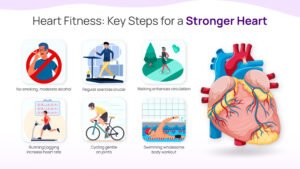
A daily heart care routine is a structured approach to maintaining cardiovascular health through consistent, simple lifestyle habits. It focuses on supporting the heart with daily actions such as healthy eating, regular movement, stress control, hydration, and proper sleep. Unlike short-term diets or fitness trends, this routine is designed for long-term sustainability, helping individuals build a healthier life step by step without extreme changes or complicated methods.
When practiced consistently, a daily heart care routine becomes a powerful preventive strategy against heart disease. The heart is one of the most important organs in the body, and its health is directly influenced by everyday choices. Small decisions like choosing whole foods, walking regularly, or managing stress effectively can significantly improve circulation, blood pressure, and overall cardiovascular strength over time.
Why a Daily Heart Care Routine Matters for Long-Term Health
A daily heart care routine is essential because heart disease often develops silently over many years. Poor diet, inactivity, chronic stress, and lack of sleep slowly weaken the cardiovascular system without obvious early symptoms. By the time serious issues appear, damage may already be significant. Daily preventive habits help reduce these risks by strengthening the heart gradually and consistently.
Another important reason to follow a daily heart care routine is the impact it has on overall well-being. A healthy heart improves energy levels, mental clarity, and physical endurance. People who maintain consistent habits often experience better mood stability and reduced fatigue. This routine is not just about avoiding illness—it is about improving quality of life and ensuring the body functions efficiently every single day.
Core Principles of a Strong Heart Care Lifestyle
The foundation of a daily heart care routine is built on several essential principles: balanced nutrition, regular physical activity, emotional well-being, and quality sleep. These elements work together to maintain healthy blood flow, regulate cholesterol levels, and support optimal heart function. When one area is neglected, it can affect the entire cardiovascular system.
In addition to these basics, avoiding harmful habits is equally important. Smoking, excessive alcohol consumption, and highly processed foods place unnecessary stress on the heart. A strong daily heart care routine prioritizes long-term consistency rather than perfection. Even small improvements, when repeated daily, can create lasting positive effects on heart health.
Morning Habits That Support a Healthy Heart

Starting the day with a daily heart care routine helps activate the body and set a healthy tone for the rest of the day. Morning hydration is essential, as water supports circulation and helps the body function efficiently after hours of rest. Light physical activity such as stretching or walking can further improve blood flow and increase energy levels naturally.
A heart-healthy breakfast is another important part of a daily heart care routine in the morning. Foods like oats, fruits, nuts, and whole grains provide steady energy without causing blood sugar spikes. Establishing consistent morning habits not only supports cardiovascular health but also improves discipline and encourages better decision-making throughout the day.
Healthy Daytime Practices for Heart Support
During the day, movement plays a critical role in maintaining a daily heart care routine. Sitting for long periods can reduce circulation and increase strain on the heart. Taking short breaks to stand, stretch, or walk helps maintain healthy blood flow and reduces the negative effects of a sedentary lifestyle.
Nutrition and stress management are also key daytime factors. Choosing natural snacks instead of processed foods supports heart health, while staying hydrated helps maintain proper body function. Managing stress at work or during daily responsibilities is equally important, as emotional pressure can directly affect heart performance over time.
Evening Routine for Heart Recovery and Relaxation
An effective daily heart care routine continues into the evening, focusing on relaxation and recovery. Eating a light dinner that includes vegetables, lean protein, and whole grains helps prevent unnecessary strain on the digestive and cardiovascular systems before sleep. Heavy or processed meals late at night can negatively impact heart health and sleep quality.
Evening relaxation practices such as deep breathing, meditation, or reading help calm the nervous system. Reducing screen time before bed also supports better sleep quality. A structured daily heart care routine in the evening allows the body to recover fully, ensuring the heart gets the rest it needs to function efficiently the next day.
Nutrition as the Foundation of Heart Health
Diet plays a central role in any daily heart care routine, as food directly affects cholesterol levels, blood pressure, and overall cardiovascular strength. A heart-healthy diet includes fruits, vegetables, whole grains, legumes, nuts, and healthy fats. These foods provide essential nutrients that protect blood vessels and improve circulation.
At the same time, it is important to limit foods high in salt, sugar, and unhealthy fats. Processed foods and sugary drinks can gradually damage heart health when consumed frequently. A balanced approach to nutrition ensures that the daily heart care routine remains sustainable while delivering long-term benefits for overall wellness.
Physical Activity and Movement for a Strong Heart
Regular exercise is a key pillar of a daily heart care routine, as it strengthens the heart muscle and improves blood circulation. Activities such as walking, cycling, swimming, or light home workouts can significantly reduce the risk of cardiovascular disease when performed consistently. Even moderate activity has a powerful positive impact when done daily.
The most important factor is consistency rather than intensity. A daily heart care routine does not require extreme workouts; instead, it encourages regular movement throughout the day. Simple actions like taking stairs, stretching, or walking after meals can contribute meaningfully to heart health over time.
Stress Management and Emotional Balance
Stress is one of the most overlooked factors affecting heart health, making it a critical part of a daily heart care routine. Chronic stress increases blood pressure and places strain on the cardiovascular system. Over time, this can contribute to serious heart-related conditions if not managed properly.
Practicing relaxation techniques such as meditation, deep breathing, or mindfulness can help reduce stress levels effectively. Emotional balance is just as important as physical health in a daily heart care routine, as both are closely connected. A calm mind supports a healthy heart and improves overall life quality.
Sleep and Recovery for Cardiovascular Strength
Quality sleep is an essential component of a daily heart care routine, as it allows the heart and body to recover. During sleep, blood pressure naturally lowers, and the cardiovascular system gets time to rest and repair. Poor sleep patterns can increase the risk of heart disease and reduce overall energy levels.
Maintaining a consistent sleep schedule is highly beneficial. Avoiding late-night stimulation, reducing screen exposure, and creating a calm environment can improve sleep quality. A strong daily heart care routine always includes 7–8 hours of restful sleep to support long-term heart health and overall well-being.
Building a Sustainable Heart Care Lifestyle
A successful daily heart care routine is not about perfection but about sustainability. Small, consistent actions repeated daily are far more effective than short-term intense efforts. Over time, these habits become part of a natural lifestyle that supports both physical and mental health.
The key is to start simple and gradually build better habits. Whether it is improving diet, increasing activity, or managing stress, every positive change contributes to a stronger heart. A well-structured daily heart care routine ensures long-term protection and promotes a healthier, more active life.
You may also read: Lifestyle choices that support long-term heart health