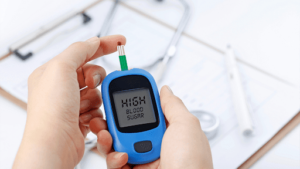
Blood sugar plays a vital role in how the body produces energy and maintains overall metabolic balance. When glucose levels rise or fall too frequently, it can affect mood, energy, and long-term health outcomes. Understanding this balance is the foundation of effective blood sugar management tips, especially for individuals at risk of diabetes or already managing the condition. A stable glucose level helps support heart health, brain function, and consistent daily performance.
Modern lifestyles, including processed diets and sedentary habits, have made blood sugar imbalance more common than ever. Applying practical blood sugar management tips early can help prevent complications before they develop into chronic conditions. The goal is not just short-term control but building sustainable habits that keep glucose levels stable throughout life. Awareness and consistency are key factors that influence long-term success.
Understanding Normal Blood Sugar Levels
Normal blood sugar levels vary depending on the time of measurement, such as fasting or after meals. Typically, fasting glucose should remain within a healthy range, while post-meal spikes should gradually return to normal. Understanding these ranges is essential for recognizing when the body is functioning properly or when intervention may be needed. Without this knowledge, it becomes difficult to apply effective blood sugar management tips in daily life.
Many people overlook subtle changes in glucose levels until symptoms appear, which can delay proper management. Learning to interpret readings from a glucose monitor helps individuals take timely action. This awareness forms one of the most important blood sugar management tips, as it empowers people to make informed dietary and lifestyle decisions. Consistent monitoring also helps identify patterns that may require long-term adjustments for better health outcomes.
Causes of Blood Sugar Imbalance
Blood sugar imbalance can be triggered by several lifestyle and biological factors. Poor dietary habits, especially high sugar and refined carbohydrate intake, are among the leading causes. Lack of physical activity and prolonged stress also contribute to insulin resistance, making it harder for the body to regulate glucose effectively. Identifying these triggers is a core part of understanding blood sugar management tips and preventing long-term complications.
In some individuals, blood sugar fluctuations may occur due to medical conditions or medication side effects. Skipping meals or irregular eating patterns can also cause sudden drops or spikes in glucose levels. Recognizing these causes allows individuals to take preventive action early. Effective blood sugar management tips always begin with identifying root causes, as long-term control depends on addressing both lifestyle and internal health factors.
Symptoms of Blood Sugar Problems

High blood sugar often develops gradually, showing symptoms such as fatigue, increased thirst, frequent urination, and blurred vision. These signs indicate that the body is struggling to process glucose efficiently. If ignored, prolonged high blood sugar can lead to serious complications. Understanding these symptoms is essential when applying blood sugar management tips in everyday health routines.
Low blood sugar, on the other hand, can appear suddenly and may include shakiness, sweating, dizziness, irritability, or confusion. In severe cases, it can become dangerous if not treated quickly. Recognizing both high and low blood sugar symptoms helps individuals respond appropriately. This awareness is one of the most practical blood sugar management tips, ensuring timely action and preventing health emergencies.
Blood Sugar Monitoring and Tracking
Regular monitoring is one of the most reliable ways to maintain healthy glucose levels. Using a blood sugar monitor allows individuals to track daily fluctuations and understand how food, activity, and stress affect their body. This data helps create personalized health strategies and is a core part of effective blood sugar management tips for long-term stability.
Modern technology has made monitoring easier, with advanced devices that reduce discomfort and improve accuracy. Some systems even allow continuous tracking without frequent finger pricks. By reviewing patterns over time, individuals can adjust their habits accordingly. This makes monitoring one of the most powerful blood sugar management tips, as it turns raw data into actionable health improvements.
Blood Sugar Management Tips for Daily Control
Daily habits have a direct impact on glucose stability. Eating balanced meals that include fiber, protein, and healthy fats can significantly reduce blood sugar spikes. Avoiding excessive sugar and processed foods also plays a major role in maintaining stability. These blood sugar management tips focus on building a consistent dietary routine that supports long-term metabolic health.
Physical activity, hydration, and stress management are equally important. Regular movement helps the body use glucose more efficiently, while proper hydration supports overall metabolic function. Stress reduction techniques such as meditation or deep breathing can also help regulate hormone levels. Together, these blood sugar management tips create a strong foundation for daily glucose control and improved well-being.
How to Lower Blood Sugar Naturally and Quickly
Natural methods can be highly effective in reducing elevated blood sugar levels, especially when applied early. Light exercise such as walking, drinking water, and avoiding sugary foods can help bring glucose levels down safely. These immediate actions are essential blood sugar management tips for handling short-term spikes without unnecessary complications.
Long-term natural control requires consistent lifestyle changes. A diet rich in whole foods, regular exercise, and proper sleep all contribute to stable blood sugar levels. Over time, these habits reduce the likelihood of sudden spikes. Following blood sugar management tips consistently ensures the body maintains better insulin sensitivity and overall metabolic balance.
Lifestyle and Long-Term Control
Long-term blood sugar control depends heavily on sustainable lifestyle choices. Regular exercise, balanced nutrition, and weight management all play a significant role in maintaining healthy glucose levels. These habits are more effective when followed consistently rather than occasionally, making discipline a key factor in successful blood sugar management tips implementation.
Medical guidance may also be necessary for individuals with diabetes or prediabetes. Combining professional treatment with lifestyle improvements creates the best outcomes. Regular check-ups help track progress and adjust strategies when needed. These comprehensive blood sugar management tips ensure both prevention and long-term stability, reducing the risk of complications over time.
Conclusion
Effective blood sugar control is not achieved through quick fixes but through consistent and informed lifestyle choices. Understanding how the body responds to food, activity, and stress helps individuals take control of their health in a meaningful way. Applying blood sugar management tips daily can significantly improve energy levels and reduce long-term health risks.
Ultimately, maintaining stable blood sugar requires commitment, awareness, and adaptability. Small changes, when practiced consistently, lead to lasting improvements in overall well-being. By following practical blood sugar management tips, individuals can build a healthier future and better manage or even prevent diabetes-related complications.
You may also read: Screening and Preventive Healthcare Strategies