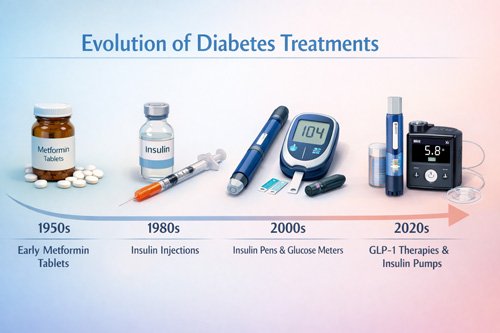
Managing diabetes effectively requires more than just taking prescribed medication. One of the most important yet often overlooked aspects is medicine timing for diabetes, which directly influences how well blood sugar levels remain stable throughout the day. When medication is taken at the wrong time, its effectiveness may reduce, leading to unnecessary fluctuations that can affect energy levels, mood, and long-term health outcomes.
Understanding the correct schedule for medication is essential for people living with different forms of diabetes. Whether someone is newly diagnosed or has been managing the condition for years, the timing of medication before or after food can significantly impact results. This guide explains everything in a clear, practical way so patients can align treatment with daily routines more effectively.
Understanding Diabetes and Blood Sugar Control
Diabetes Mellitus is a long-term metabolic condition where the body struggles to regulate glucose levels in the blood. This happens either due to insufficient insulin production or reduced sensitivity to insulin. Over time, uncontrolled blood sugar can damage vital organs, making structured treatment and lifestyle management essential for long-term stability.
Different types such as Type 1 Diabetes, Type 2 Diabetes, and Gestational Diabetes require different treatment approaches. However, all forms share one common requirement: careful attention to medicine timing for diabetes, which helps ensure medication works in sync with natural blood glucose fluctuations throughout the day.
Why Medicine Timing for Diabetes Matters
The effectiveness of diabetes treatment is closely linked to timing. Blood sugar levels naturally rise after meals and fall during fasting periods, which means medication must be timed correctly to match these changes. Proper medicine timing for diabetes helps prevent sudden spikes and dangerous drops, supporting more stable energy levels and overall well-being.
When medication is taken inconsistently, it can disrupt the body’s balance and reduce treatment efficiency. Over time, this may increase the risk of complications affecting the heart, kidneys, and nervous system. That is why healthcare professionals emphasize consistency, as even small timing adjustments can significantly improve glucose control and long-term health outcomes.
Types of Diabetes Medications and How Timing Works
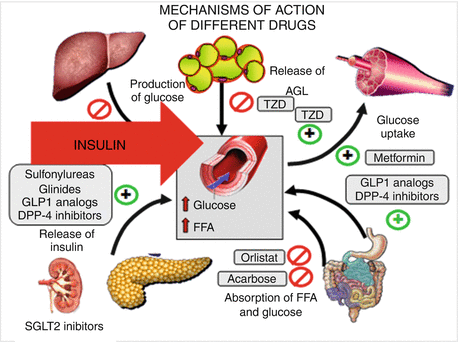
Different medications require different timing strategies based on how they work in the body. Insulin therapy, for example, is often divided into rapid, short, and long-acting types. Rapid-acting insulin is usually taken shortly before meals, while long-acting insulin may be administered once or twice daily to maintain steady glucose levels throughout the day and night.
Oral medications also follow specific timing rules. Some are taken with meals to reduce stomach discomfort, while others work best before eating. Understanding these differences is essential for effective medicine timing for diabetes, as each medication interacts differently with food intake and metabolic activity, making personalized schedules crucial for success.
Best Time to Take Diabetes Medication Before or After Food
One of the most common questions patients ask is whether medication should be taken before or after food. The answer depends entirely on the type of treatment prescribed. Some medications are designed to work before meals, helping reduce post-meal blood sugar spikes, while others are more effective when taken with or after food to minimize side effects.
For many patients, this balance can feel confusing at first. However, once a routine is established, medicine timing for diabetes becomes easier to manage. The key is consistency—taking medication at the same time each day ensures the body responds predictably, improving overall glucose control and reducing the risk of fluctuations.
Daily Routine and Lifestyle Factors Affecting Timing
Daily habits such as meal schedules, sleep patterns, and physical activity play a major role in diabetes management. Irregular eating times can make it harder for medication to work effectively, while consistent routines support better synchronization between food intake and treatment. This is especially important for maintaining stable blood glucose levels throughout the day.
Physical activity also influences how the body uses insulin. Exercise can lower blood sugar, which means medication timing may need adjustment on active days. Proper medicine timing for diabetes must therefore consider lifestyle factors, ensuring that treatment aligns not only with meals but also with daily energy expenditure and activity levels.
Common Mistakes in Diabetes Medicine Timing
One of the most frequent mistakes is skipping medication when meals are missed. While this may seem logical, it can sometimes lead to unstable blood sugar levels depending on the type of medication used. Another common issue is taking medication at inconsistent times, which reduces its effectiveness and makes glucose control unpredictable.
Self-adjusting doses without medical guidance is another serious concern. Even small changes can have significant effects on the body’s response. Maintaining proper medicine timing for diabetes requires discipline and professional guidance, ensuring that treatment remains safe, consistent, and effective over the long term.
Improving Long-Term Diabetes Management Strategies
Long-term diabetes control is not only about medication but also about building sustainable habits. Regular monitoring of blood glucose levels helps patients understand how their body responds to different foods, activities, and medications. This information is essential for improving medicine timing for diabetes and making necessary adjustments under medical supervision.
Support from healthcare providers and organisations such as Diabetes UK can also help patients stay informed and motivated. Combining medical treatment with healthy lifestyle choices, structured routines, and ongoing education creates a strong foundation for long-term stability and improved quality of life.
Conclusion
In conclusion, medicine timing for diabetes plays a critical role in achieving stable blood sugar control and preventing complications. Whether medication is taken before or after food, the most important factor is consistency and alignment with individual treatment plans. Every patient’s needs are different, which makes personalised care essential for effective management.
By understanding how different medications work and how lifestyle factors influence blood glucose levels, individuals can take better control of their condition. With proper guidance, discipline, and awareness, diabetes can be managed successfully, leading to a healthier and more balanced life over time.
You may also read: Methods of Insulin Delivery