Diabetic neuropathy is a condition that develops when high blood sugar levels damage the nerves over time. It is one of the most common complications associated with both Type 1 and Type 2 diabetes. Many people do not notice the condition during its early stages because symptoms often begin slowly and become more noticeable as the damage progresses. When left untreated, nerve damage can interfere with movement, digestion, circulation, and even heart function.
The nervous system controls nearly every function in the body, including sensation, muscle movement, and organ activity. When diabetes affects these nerves, communication between the brain and different body parts becomes weaker. This disruption may cause pain, numbness, tingling, or muscle weakness. Understanding diabetes nerve damage signs early can help people seek medical treatment before severe complications develop.
Early Diabetes Nerve Damage Signs
The first symptoms of diabetic neuropathy are often mild and easy to ignore. Tingling sensations in the feet or hands are among the most common early warning signs. Many people describe the feeling as pins and needles, buzzing, or slight electric shocks under the skin. These sensations may appear occasionally at first, especially during nighttime, but they usually become more frequent over time.
Numbness is another important symptom that should never be ignored. Reduced feeling in the feet can make it difficult to notice injuries such as cuts, burns, or blisters. Because the nerves are not functioning properly, the body may fail to send pain signals to the brain. This can lead to untreated wounds that become infected. Identifying diabetes nerve damage signs during the early stages may prevent long-term complications and improve quality of life.
Burning Pain and Increased Sensitivity
As diabetic neuropathy progresses, many individuals begin to experience burning or stabbing pain in their feet and legs. The pain can range from mild discomfort to severe sensations that interfere with sleep and daily activities. Some people describe the pain as sharp electric shocks, while others feel a constant burning sensation that becomes stronger at night.
Increased sensitivity to touch is also common among people with nerve damage. Even light contact from socks, blankets, or shoes may feel painful. This condition, known as allodynia, develops because damaged nerves send incorrect pain signals to the brain. Persistent pain and sensitivity often affect emotional well-being, making stress management and medical support important parts of treatment.
How High Blood Sugar Damages Nerves
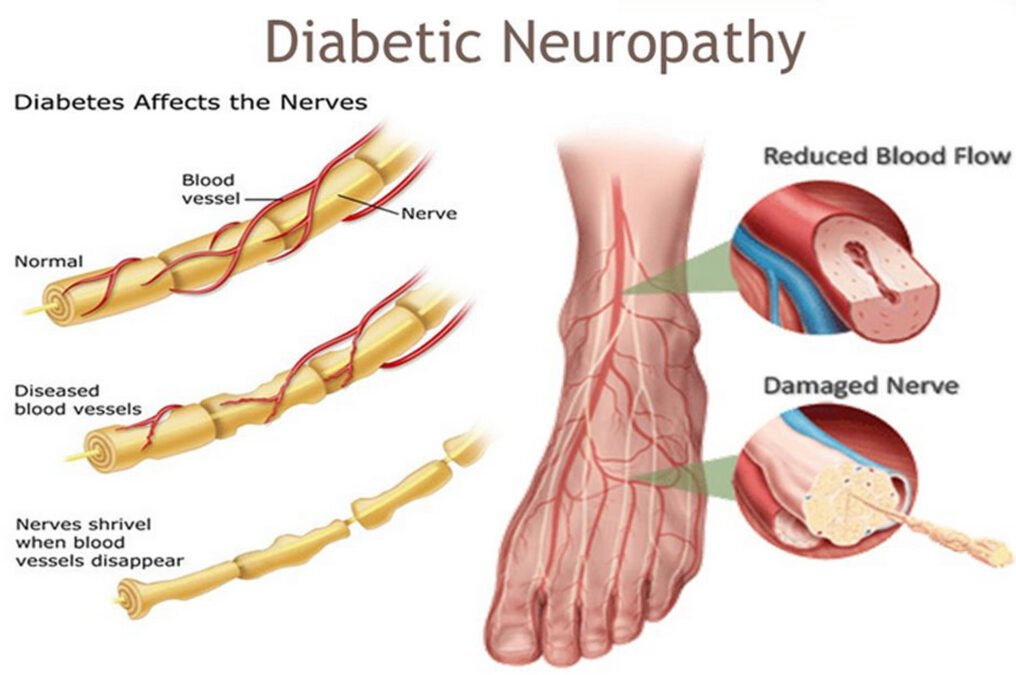
High blood sugar levels damage the tiny blood vessels responsible for carrying oxygen and nutrients to the nerves. Without proper blood flow, nerves gradually weaken and lose their ability to function correctly. This process does not happen overnight, but years of uncontrolled diabetes can significantly increase the risk of permanent nerve damage.
Inflammation caused by excess glucose also contributes to nerve injuries. High sugar levels create harmful chemical reactions inside the body, damaging both nerves and surrounding tissues. Over time, these changes affect nerve communication and increase the likelihood of chronic pain, weakness, and reduced sensation. Maintaining stable blood sugar levels is one of the most effective ways to protect nerve health.
Common Areas Affected by Diabetic Neuropathy
The feet and legs are usually the first areas affected by diabetic neuropathy because these nerves are the longest in the body. Poor circulation combined with nerve damage often leads to numbness, burning pain, muscle weakness, and balance problems. Walking may become difficult, and the risk of falls increases significantly as symptoms worsen.
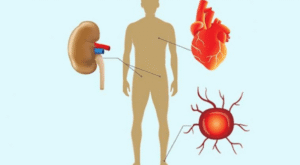
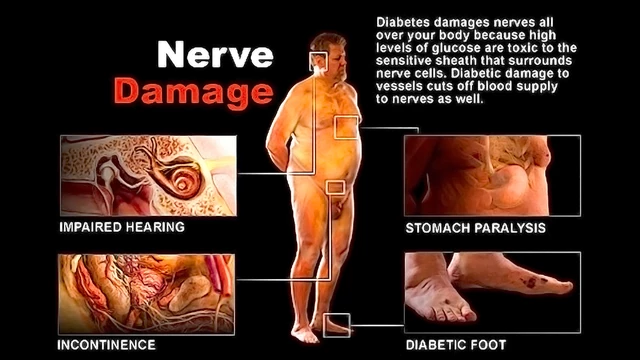
Diabetes can also damage nerves in the digestive system, bladder, heart, and eyes. Some people experience bloating, constipation, nausea, dizziness, or irregular heartbeat due to autonomic neuropathy. Others may develop vision problems such as double vision or difficulty focusing. These diabetes nerve damage signs show that neuropathy can affect much more than just the feet and hands.
Muscle Weakness and Balance Problems
Muscle weakness is another serious symptom linked to diabetic neuropathy. Damaged nerves cannot properly control muscle movements, causing weakness in the legs, feet, or hands. People may struggle to climb stairs, carry objects, or maintain balance while walking. Over time, weakened muscles can lead to reduced mobility and a loss of independence.
Balance problems often develop because the brain receives incorrect information from damaged nerves in the feet. Many individuals feel unstable while standing or walking, especially in dark environments where vision cannot assist with balance. Falls become more common as coordination decreases, making early treatment important for maintaining physical safety and mobility.
Foot Problems Caused by Nerve Damage
Foot complications are among the most dangerous effects of diabetic neuropathy. Because numbness reduces the ability to feel pain, even small cuts or blisters may go unnoticed for days or weeks. Without proper treatment, these injuries can become infected and eventually develop into serious ulcers.
Poor circulation caused by diabetes also slows the healing process. In severe cases, untreated foot infections may spread into deeper tissues and increase the risk of amputation. Regular foot inspections, supportive footwear, and proper hygiene are essential for preventing complications. People who notice unusual swelling, redness, or wounds should seek medical advice immediately.
Diagnosing Diabetic Nerve Damage
Doctors diagnose diabetic neuropathy through physical examinations, symptom reviews, and specialized tests. During an examination, healthcare providers may check muscle strength, reflexes, sensitivity to touch, and balance. Foot examinations are especially important because many injuries remain hidden due to reduced sensation.
Blood tests are commonly used to measure glucose levels and evaluate long-term blood sugar control through A1C testing. In some cases, nerve conduction studies may be performed to measure how effectively nerves transmit signals throughout the body. Early diagnosis allows patients to begin treatment before symptoms become severe or irreversible.
Treatment Options for Diabetic Neuropathy
Managing blood sugar levels is the foundation of diabetic neuropathy treatment. Stable glucose control can slow nerve damage progression and reduce symptoms over time. Doctors often recommend a combination of medication, regular exercise, and dietary changes to improve diabetes management and overall nerve health.
Pain management treatments may include medications designed specifically for nerve pain. Physical therapy can also help improve flexibility, balance, and muscle strength. Some individuals benefit from stress reduction techniques, proper sleep habits, and healthier lifestyle choices. Treatment plans should always focus on both symptom relief and long-term prevention of additional nerve damage.
Preventing Diabetes Nerve Damage Signs
Preventing diabetic neuropathy begins with maintaining healthy blood sugar levels every day. Consistent diabetes management reduces stress on the nerves and blood vessels, lowering the risk of long-term complications. A balanced diet rich in vegetables, lean protein, healthy fats, and fiber may help stabilize glucose levels naturally.
Regular physical activity improves circulation and supports healthy nerve function. Activities such as walking, cycling, and swimming can strengthen muscles while improving insulin sensitivity. Avoiding smoking and excessive alcohol consumption is equally important because these habits reduce blood flow and increase nerve damage risk. Healthy lifestyle habits remain one of the strongest defenses against diabetic neuropathy.
Living With Diabetic Neuropathy
Living with diabetic neuropathy can be physically and emotionally challenging, but proper management can improve daily life significantly. Many people successfully control symptoms through medication, exercise, healthy eating, and regular medical monitoring. Building a consistent health routine often helps reduce pain and maintain mobility.
Emotional support is also important for individuals coping with chronic nerve pain. Persistent discomfort and reduced mobility may increase stress, anxiety, or depression over time. Seeking support from healthcare professionals, family members, or support groups can make living with diabetic neuropathy easier and more manageable.
Conclusion
Diabetic neuropathy is a serious condition that can affect nearly every part of the body if left untreated. Recognizing diabetes nerve damage signs early gives people the opportunity to seek treatment before symptoms become severe. Tingling, numbness, burning pain, muscle weakness, and balance problems should never be ignored, especially for individuals living with diabetes.
Although nerve damage may not always be reversible, proper blood sugar control and healthy lifestyle choices can slow progression and improve quality of life. Early diagnosis, regular medical care, and consistent self-care remain the best strategies for protecting nerve health and preventing long-term complications related to diabetic neuropathy.
You may also read: Nerve Damage and Diabetic Neuropathy