Tap water is widely considered safe in many regions due to modern treatment systems, yet it is not completely free from microorganisms. Tap water bacteria can still exist in small amounts because water travels through long pipelines, storage tanks, and household plumbing before reaching consumers. While many of these microorganisms are harmless environmental bacteria, some can become a concern when conditions allow them to multiply or when contamination occurs at any stage of the water supply chain.
Understanding tap water bacteria is important because water safety is not only dependent on municipal treatment but also on infrastructure quality and household hygiene practices. Even treated water can become contaminated through aging pipes, biofilm formation, or improper storage. This makes awareness essential, especially for families who rely on tap water for drinking, cooking, and daily use, as unseen microbial risks may impact long-term health.
Understanding Bacteria and Their Role in Nature
Bacteria are microscopic, single-celled organisms that exist in virtually every environment on Earth, including soil, air, food, and water. They play essential roles in ecosystems by breaking down organic matter, recycling nutrients, and supporting biological cycles. While some bacteria are beneficial and necessary for life, others can cause infections and diseases when they enter the human body under the right conditions.
The study of microorganisms helps explain why water may naturally contain small amounts of bacteria without necessarily being unsafe. In fact, not all bacteria are harmful, and many contribute positively to digestion and environmental balance. However, when discussing water safety, it is important to distinguish between harmless environmental bacteria and harmful strains that can pose health risks if present in drinking water systems.
Structure and Characteristics of Bacteria
Bacteria have a relatively simple structure compared to human or plant cells, which allows them to survive and reproduce rapidly. A typical bacterial cell includes a cell wall, cell membrane, cytoplasm, ribosomes, and a nucleoid region that contains genetic material. Unlike complex cells, bacteria do not have a nucleus, which makes them structurally unique and highly adaptable to different environments, including water systems.
This simple structure also explains why bacteria can thrive in diverse conditions, including plumbing systems where moisture and nutrients are present. In the context of tap water bacteria, their ability to form protective layers known as biofilms makes them more resistant to cleaning and disinfection. These structural features allow bacteria to survive longer in water distribution systems and sometimes multiply if conditions such as stagnation or low sanitation occur.
Types of Bacteria Found in Drinking Water
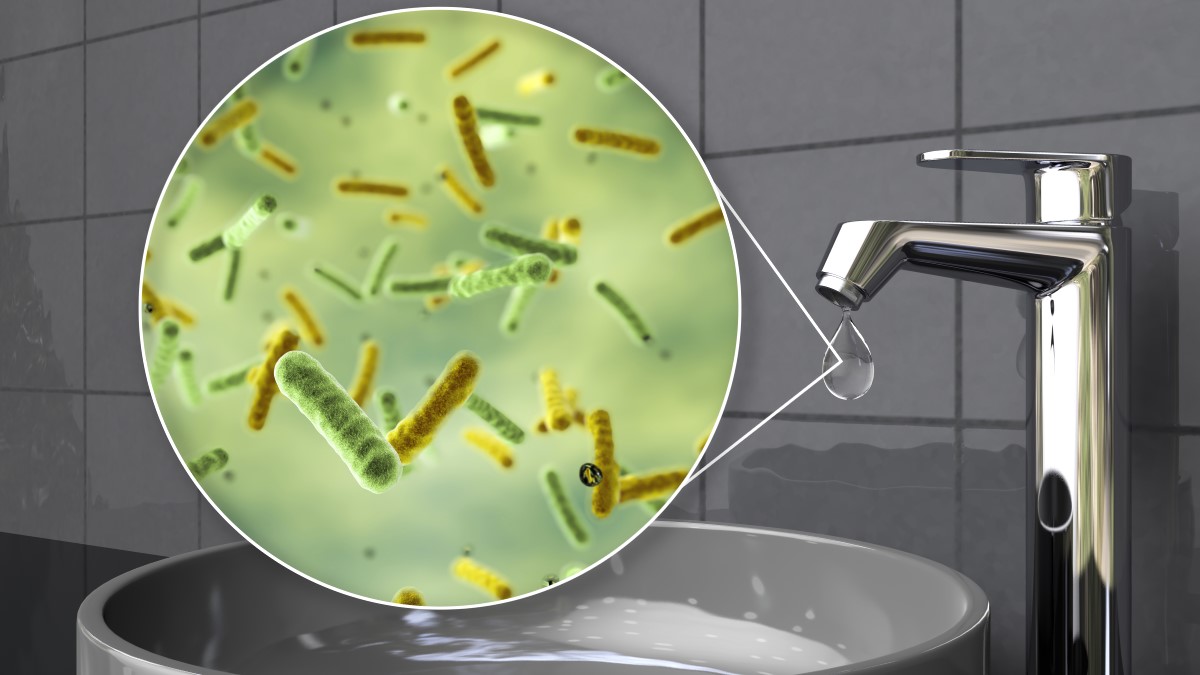
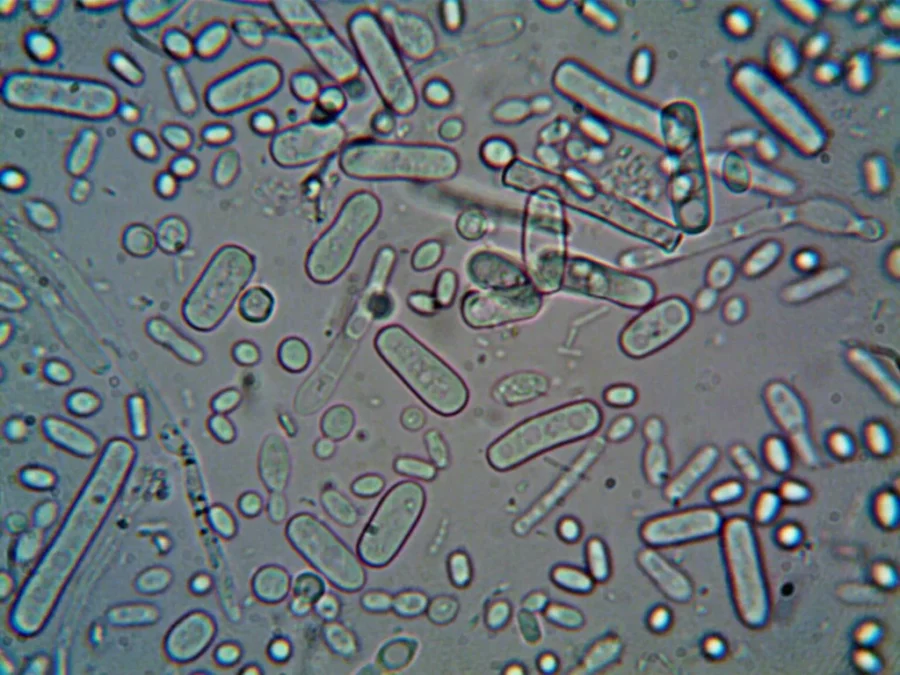
Water systems can contain different categories of bacteria, including gram-positive and gram-negative strains. Gram-negative bacteria are often more resistant and include species that may cause infections in humans, while gram-positive bacteria are generally easier to control but can still pose risks under certain conditions. One of the most important indicators of contamination is the presence of coliform bacteria, which suggests possible exposure to harmful pathogens.
When examining tap water bacteria, it becomes clear that not all microorganisms indicate danger, but certain types require attention. Pathogenic bacteria such as E. coli can enter water systems through contamination from waste or environmental sources. Although rare in properly treated water supplies, their presence signals serious issues in water safety and highlights the importance of regular monitoring and maintenance of water infrastructure.
How Water Becomes Contaminated
Water contamination can occur at multiple stages, even after municipal treatment has been completed. Aging pipelines, damaged infrastructure, and poorly maintained storage tanks can introduce bacteria into the water supply. Additionally, biofilms that form inside pipes provide a protective environment where microorganisms can grow and multiply over time without being easily detected or removed through standard water flow.
In many cases involving tap water bacteria, contamination is not caused by a single source but by a combination of environmental exposure and system weaknesses. Stagnant water in pipes or household plumbing increases the risk of bacterial growth, especially in warm conditions. This highlights the importance of both public infrastructure maintenance and individual household awareness in reducing contamination risks effectively.
Health Risks and Symptoms of Exposure
Exposure to harmful bacteria in drinking water can lead to a range of health issues, from mild digestive discomfort to more severe infections. Common symptoms include nausea, vomiting, diarrhea, and stomach cramps, which often appear shortly after consuming contaminated water. These symptoms are typically associated with food poisoning bacteria or other pathogenic strains that affect the digestive system.
The risks associated with tap water bacteria are higher for vulnerable groups such as children, elderly individuals, and people with weakened immune systems. In more serious cases, prolonged exposure to contaminated water may lead to dehydration or complications requiring medical attention. While not all bacteria in water cause illness, understanding potential symptoms helps individuals respond quickly to possible contamination.
Detection and Safety Measures
Detecting bacteria in drinking water is challenging because microorganisms are invisible to the naked eye. However, certain warning signs such as unusual taste, odor changes, or cloudy appearance may suggest potential contamination. Despite these indicators, visual inspection alone is not reliable, and laboratory testing remains the most accurate method for identifying bacterial presence in water supplies.
Testing for tap water bacteria is essential for ensuring long-term water safety, especially in areas where infrastructure may be aging or poorly maintained. Professional water testing can detect harmful bacteria, including coliforms, and provide accurate assessments of water quality. At the household level, boiling water and using certified filtration systems are effective methods to reduce bacterial exposure and improve drinking water safety.
Prevention and Long-Term Water Protection
Preventing bacterial contamination in drinking water requires a combination of infrastructure management and responsible household practices. Municipal systems must ensure regular maintenance of pipelines, proper disinfection processes, and consistent monitoring of water quality. These efforts help reduce the likelihood of bacteria entering the public water supply and ensure safer distribution to consumers.
On a personal level, reducing exposure to tap water bacteria involves maintaining clean taps, replacing filters regularly, and storing water safely in clean containers. Avoiding stagnant water in household plumbing and ensuring proper hygiene practices also contribute to lowering bacterial risks. Long-term water safety depends on cooperation between public systems and individual responsibility.
Conclusion
Water is essential for life, but its safety depends on more than just treatment processes. While most drinking water is safe, the possibility of bacterial contamination still exists under certain conditions. Understanding microbial risks helps individuals make informed decisions about water consumption and hygiene practices in everyday life.
In conclusion, tap water bacteria highlight the importance of awareness, regular testing, and proper maintenance of water systems. By combining infrastructure improvements with safe household practices, it is possible to significantly reduce risks and ensure cleaner, healthier drinking water for long-term well-being.
You may also read: Sports Nutrition Products