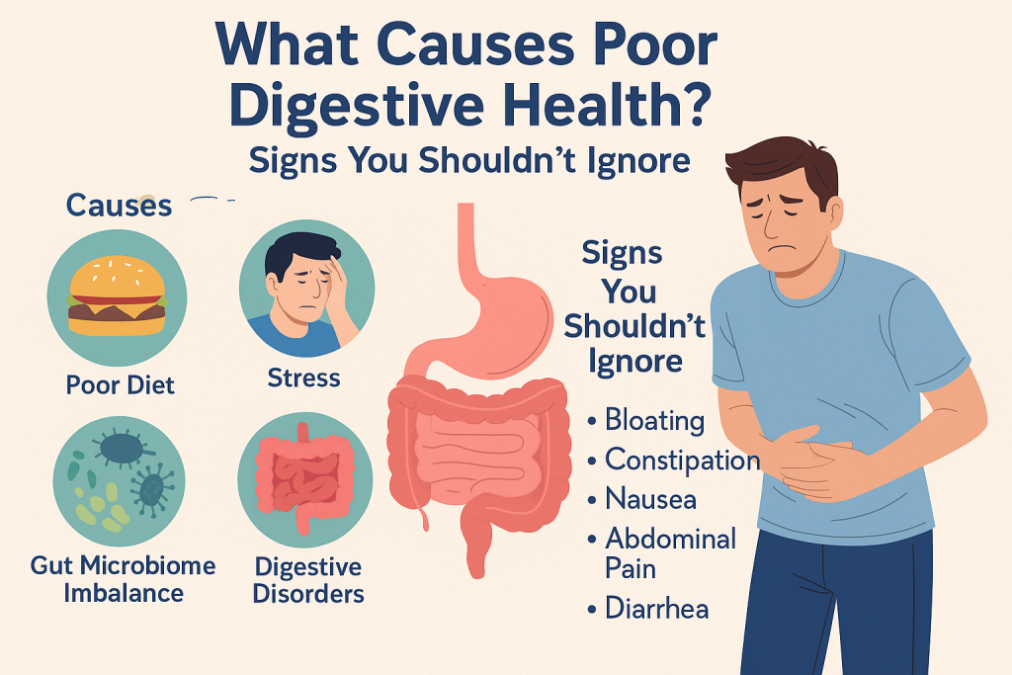
Digestive health plays a crucial role in maintaining overall wellbeing, energy levels, immunity, and daily comfort. When the digestive system is not functioning properly, it can lead to a wide range of symptoms that affect quality of life. Understanding gut health is essential because many modern lifestyle habits directly influence how well the body processes food and absorbs nutrients. Poor digestion is no longer a minor inconvenience but a widespread health concern across all age groups.
The topic of digestive problems causes and treatment has gained significant attention in recent years due to rising cases of gut-related disorders. Many people experience symptoms such as bloating, constipation, or acid reflux without fully understanding the underlying reasons. Learning about these issues helps individuals take early action, improve their diet, and adopt healthier habits that support long-term digestive balance and prevent chronic conditions.
How the Digestive System Works
The digestive system is a complex network of organs that work together to break down food into nutrients the body can use. It begins in the mouth, where chewing and enzymes start the digestion process, and continues through the stomach and intestines, where nutrients are absorbed. The liver, pancreas, and gut bacteria also play essential roles in ensuring proper digestion and waste elimination.
When any part of this system is disrupted, the body may experience discomfort or irregular bowel movements. Understanding this process is essential when studying digestive problems causes and treatment, as it helps explain how imbalances in enzymes, gut flora, or organ function can trigger symptoms. A well-functioning digestive system is the foundation of good health and disease prevention.
Common Symptoms of Digestive Problems
Digestive problems can present themselves in many different ways, depending on the underlying cause. Common symptoms include bloating, gas, abdominal pain, heartburn, constipation, and diarrhea. These symptoms may occur occasionally due to dietary choices or become persistent in cases of chronic digestive disorders, significantly affecting daily life and productivity.
In more severe situations, symptoms such as unexplained weight loss, vomiting, fatigue, or blood in stool may occur and should never be ignored. Recognizing these warning signs early is important when understanding digestive problems causes and treatment, as timely intervention can prevent complications and improve long-term digestive health outcomes.
Major Causes of Digestive Problems
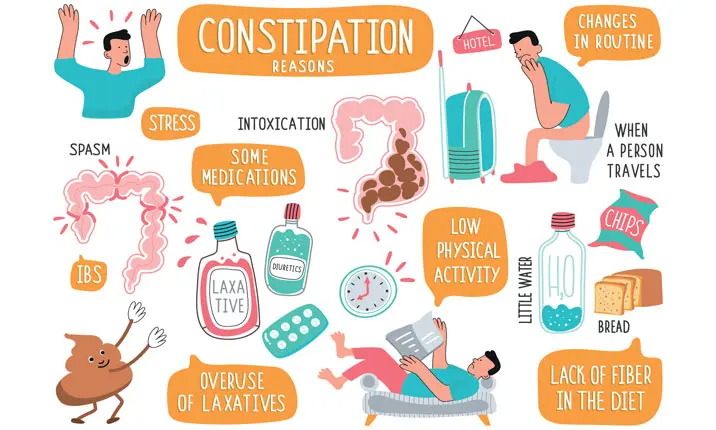
There are multiple factors that contribute to digestive issues, with diet being one of the most influential. High consumption of processed foods, low fiber intake, and inadequate hydration can slow digestion and lead to constipation or bloating. Food intolerances such as lactose or gluten sensitivity can also trigger inflammation and discomfort in the digestive tract.
Stress and lifestyle habits play an equally important role in gut health. Chronic stress can directly affect the gut-brain connection, leading to irregular bowel movements and discomfort. Infections, medications, and conditions like IBS or GERD further complicate the issue. Exploring digestive problems causes and treatment reveals how both physical and emotional factors combine to impact digestive balance over time.
Diagnosis of Digestive Disorders
Diagnosing digestive problems begins with a detailed discussion of symptoms, medical history, and lifestyle habits. Healthcare professionals may recommend blood tests, stool analysis, or imaging scans to identify infections, inflammation, or structural issues. In some cases, endoscopy is used to examine the digestive tract more closely and detect abnormalities.
Accurate diagnosis is essential in managing digestive problems causes and treatment, as it ensures that the correct condition is identified and treated appropriately. Without proper diagnosis, symptoms may worsen or become chronic, making early medical evaluation a key step in restoring digestive health and preventing long-term complications.
Effective Treatment Options for Digestive Problems
Treatment for digestive disorders varies depending on the cause and severity of symptoms. Mild cases often improve with dietary adjustments, such as increasing fiber intake, avoiding trigger foods, and maintaining proper hydration. Probiotics can also help restore healthy gut bacteria and improve digestion naturally over time.
In more persistent cases, medications such as antacids, anti-inflammatory drugs, or prescription treatments may be required. When discussing digestive problems causes and treatment, it is important to highlight that stress management is equally essential, as emotional health directly affects gut function. A combination of lifestyle changes and medical care often produces the best results.
Prevention of Digestive Problems
Preventing digestive issues requires consistent healthy habits that support gut function. A balanced diet rich in fruits, vegetables, and whole grains provides the fiber needed for smooth digestion. Drinking enough water and staying physically active also helps regulate bowel movements and reduce the risk of digestive discomfort.
Prevention is a key part of digestive problems causes and treatment, as many digestive disorders can be avoided through simple lifestyle adjustments. Reducing processed food intake, managing stress, and maintaining regular sleep patterns all contribute to a healthier digestive system and lower the risk of long-term gastrointestinal issues.
Related Health Conditions and Systemic Impact
Digestive health is closely connected to many other systems in the body. Poor digestion can contribute to issues such as skin conditions, fatigue, and weakened immunity. In some cases, inflammation in the gut may also be linked to conditions affecting the eyes, hair, and oral health, showing how deeply interconnected the body’s systems are.
Research into digestive problems causes and treatment also highlights links between gut health and symptoms like eczema, bad breath, and even chronic fatigue. While not all conditions are directly caused by digestion, improving gut health often leads to overall improvements in multiple areas of the body, supporting better long-term wellness.
Lifestyle and Home Remedies for Gut Health
Simple lifestyle changes can significantly improve digestive health without the need for strong medical intervention. Drinking herbal teas, eating fermented foods like yogurt, and increasing physical activity can all support healthy digestion. These habits help balance gut bacteria and reduce common symptoms such as bloating and discomfort.
Home remedies are often the first step in managing digestive problems causes and treatment, especially for mild or occasional symptoms. However, it is important to monitor progress closely, as persistent or worsening issues may require professional medical evaluation to ensure there are no underlying chronic conditions.
When to See a Doctor
While many digestive issues are temporary, certain symptoms require medical attention. Persistent abdominal pain, unexplained weight loss, blood in stool, or continuous vomiting are serious warning signs that should not be ignored. These symptoms may indicate underlying conditions that require immediate diagnosis and treatment.
Understanding digestive problems causes and treatment also involves recognizing when self-care is not enough. Seeking timely medical advice can prevent complications, ensure accurate diagnosis, and support faster recovery. Early intervention is often the most effective way to protect long-term digestive health.
Conclusion
Digestive health is essential for overall physical and mental wellbeing. Many everyday habits, from diet to stress levels, directly influence how well the digestive system functions. By understanding the causes, symptoms, and treatment options, individuals can take proactive steps to improve their gut health and prevent long-term complications.
The study of digestive problems causes and treatment highlights the importance of balanced nutrition, lifestyle management, and early medical care. With the right combination of prevention and treatment strategies, most digestive issues can be effectively managed, leading to improved quality of life and long-lasting digestive wellness.
You may also read: Causes of Acid Reflux