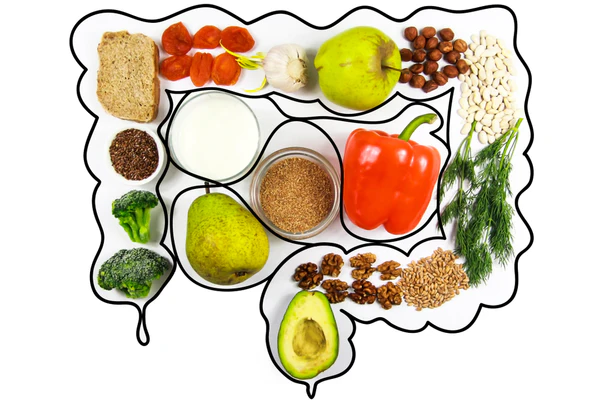
A healthy digestive system is the foundation of overall wellness, affecting everything from energy levels to immunity and even mood stability. A healthy digestion diet plan is designed to support the gut by focusing on nutrient-dense foods, proper hydration, and balanced eating habits. In modern lifestyles where processed foods and irregular meals are common, digestive issues such as bloating, acidity, and constipation have become increasingly widespread, making structured dietary guidance more important than ever.
The purpose of a healthy digestion diet plan is not just short-term relief but long-term gut balance and improved nutrient absorption. By introducing fiber-rich foods, probiotics, and natural whole ingredients, the digestive system becomes more efficient and less prone to discomfort. This approach helps the body naturally restore balance while reducing dependency on heavily processed or artificial foods that often disrupt gut health.
How Digestive Health Impacts Overall Wellbeing
Digestive health plays a central role in how the entire body functions because the gut is responsible for breaking down food and absorbing essential nutrients. When digestion is weak, it can lead to fatigue, poor concentration, skin issues, and even weakened immunity. A well-structured healthy digestion diet plan helps ensure that nutrients are properly absorbed, which directly improves physical and mental performance.
Another important aspect of gut health is its connection to the brain, often referred to as the gut-brain axis. A healthy digestion diet plan supports this connection by maintaining a balanced microbiome, which influences mood regulation and stress response. When the gut is functioning properly, it contributes to emotional stability, better sleep quality, and improved resilience against daily stress.
Core Principles Behind a Healthy Digestion Diet Plan
The foundation of any effective digestive strategy lies in simplicity and consistency. A healthy digestion diet plan focuses on fiber-rich foods such as vegetables, fruits, legumes, and whole grains that help regulate bowel movements and prevent constipation. Hydration is equally essential because water assists fiber in moving smoothly through the digestive tract, reducing strain and discomfort.
Another key principle involves balancing gut bacteria through probiotics and prebiotics. A healthy digestion diet plan includes fermented foods like yogurt, kefir, and kimchi, along with foods such as garlic, onions, and bananas that feed beneficial bacteria. At the same time, reducing processed foods, excess sugar, and unhealthy fats ensures that the digestive system remains calm and efficient without unnecessary inflammation.
7-Day Meal Structure for a Balanced Gut Reset

A well-planned healthy digestion diet plan often includes a structured 7-day approach to reset the digestive system gently. Each day focuses on simple, easy-to-digest meals that include whole foods such as oats, lean proteins, vegetables, and natural fats. Breakfasts are designed to energize the body, while lunches and dinners support steady digestion and prevent bloating or heaviness.
Throughout the 7-day cycle, the healthy digestion diet plan emphasizes consistency in meal timing and portion control. Snacks such as nuts, fruits, or yogurt help maintain gut balance between meals. Hydration is also prioritized, as drinking enough water throughout the day ensures smoother digestion and supports the body’s natural detoxification processes, making the entire reset more effective and sustainable.
Best Foods to Support Long-Term Digestion Health
Choosing the right foods is essential for maintaining long-term gut wellness. A healthy digestion diet plan includes high-fiber foods like spinach, oats, apples, and carrots, which promote regular bowel movements and help cleanse the digestive tract naturally. These foods also provide essential vitamins and minerals that support overall health and energy production.
Fermented and prebiotic foods are equally important for maintaining a balanced gut microbiome. A healthy digestion diet plan includes yogurt, kefir, kimchi, garlic, and bananas, which help increase beneficial bacteria in the gut. Anti-inflammatory ingredients such as ginger and turmeric further support digestion by reducing irritation and improving nutrient absorption efficiency.
Lifestyle Habits That Strengthen Digestive Function
While diet plays a major role, lifestyle habits are equally important in maintaining gut health. A healthy digestion diet plan works best when combined with mindful eating practices such as chewing food slowly and avoiding distractions during meals. This helps enzymes break down food more efficiently, reducing the chances of indigestion and bloating.
Physical activity also plays a vital role in supporting digestion. A healthy digestion diet plan becomes more effective when paired with regular movement, such as walking after meals or engaging in light exercise. Stress management techniques like deep breathing or meditation further enhance digestive performance by reducing tension in the gut and supporting the natural gut-brain connection.
Common Mistakes That Disrupt Digestion
One of the most common mistakes people make is suddenly increasing fiber intake without proper hydration. While fiber is essential, a healthy digestion diet plan requires balance, as too much fiber without enough water can lead to bloating and discomfort. Gradual changes are more effective in supporting long-term digestive adaptation.
Another mistake is relying heavily on processed or “diet” foods that appear healthy but often contain artificial additives. A healthy digestion diet plan focuses on natural, whole ingredients rather than packaged alternatives. Irregular meal timing and skipping meals can also disrupt digestive rhythms, making it harder for the body to maintain consistent gut function and energy levels.
Conclusion
A healthy digestion diet plan is a long-term approach to improving gut health, energy, and overall wellbeing. By focusing on whole foods, hydration, fiber, and balanced eating habits, the digestive system becomes more efficient and less prone to common issues like bloating or discomfort. This structured approach supports both physical and mental health in a natural and sustainable way.
Ultimately, consistency is the most important factor in maintaining digestive wellness. A healthy digestion diet plan is not about temporary restriction but about building lasting habits that support the body every day. When combined with mindful eating and a healthy lifestyle, it becomes a powerful tool for long-term vitality and improved quality of life.
You may also read: Major Causes of Digestive Problems