
Digestive health is the foundation of overall wellness, influencing how your body absorbs nutrients, eliminates waste, and maintains energy levels throughout the day. When your digestive system works efficiently, you feel lighter, more energetic, and less prone to common issues like bloating, constipation, or discomfort after meals. However, modern diets filled with processed foods often disrupt this delicate balance.
Focusing on the best foods for digestion can transform how your body functions internally. By choosing natural, nutrient-rich foods, you can strengthen your gut, support beneficial bacteria, and improve long-term health outcomes. This article explores the most effective foods and practical strategies to help you build a healthier digestive system naturally and sustainably.
What Makes a Food Good for Digestion
Understanding what qualifies as a digestion-friendly food is essential for making better dietary choices. Foods rich in dietary fiber are among the most important, as fiber supports smooth bowel movements and prevents constipation. Soluble fiber feeds beneficial gut bacteria, while insoluble fiber adds bulk to stool, ensuring proper elimination and reducing digestive strain.
In addition to fiber, probiotics and prebiotics play a crucial role in gut health. Probiotics introduce healthy bacteria into your digestive system, while prebiotics act as nourishment for these microbes, helping them thrive. Foods that contain natural enzymes also assist in breaking down nutrients efficiently, making digestion smoother and reducing symptoms such as bloating and indigestion over time.
Best Foods for Digestion
Choosing the best foods for digestion is one of the most effective ways to support your gut health naturally. Yogurt and kefir are excellent probiotic-rich options that help balance gut bacteria and improve digestion. These fermented dairy products introduce beneficial microbes into your system, which can reduce inflammation and enhance nutrient absorption when consumed regularly.
Fruits such as apples, bananas, and papaya are also highly beneficial. Apples provide pectin, a soluble fiber that supports both constipation and diarrhea management, while bananas are gentle on the stomach and help restore electrolyte balance. Papaya contains natural enzymes that assist in breaking down proteins, making it particularly useful after heavy meals.
Whole grains like oats, brown rice, and quinoa are among the best foods for fibre, promoting regular digestion and supporting heart health. Leafy greens such as spinach and kale provide essential nutrients and magnesium, which helps relax digestive muscles. Additionally, healthy fats from avocados and fiber-rich chia seeds contribute to smoother digestion and improved gut function.
Fermented foods such as kimchi and sauerkraut offer a diverse range of probiotics that strengthen gut health. Lean proteins like chicken and fish are easier to digest compared to fatty meats, making them ideal for maintaining digestive balance. Beans and lentils provide both fiber and protein, though they should be introduced gradually to avoid gas or discomfort.
Best Foods for Specific Digestive Issues
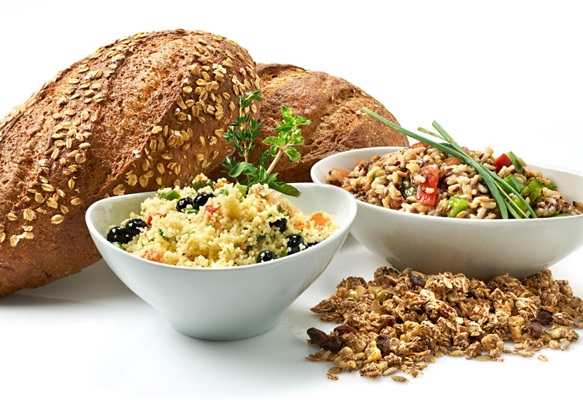
Different digestive problems require targeted dietary solutions, and selecting the right foods can make a significant difference. For constipation, high-fiber foods such as oats, prunes, and vegetables are highly effective. These foods help add bulk to stool and promote regular bowel movements, especially when combined with adequate water intake.
For diarrhea, gentle foods like bananas, rice, applesauce, and toast are often recommended because they are easy to digest and help firm stools. Individuals with IBS may benefit from low-FODMAP foods, which reduce digestive irritation and minimize symptoms such as bloating and cramping. Understanding your specific condition allows you to choose the most appropriate foods for relief.
Focusing on the best foods for gut health can also prevent long-term digestive issues. A balanced intake of probiotics and prebiotics ensures that beneficial bacteria thrive, improving overall digestive efficiency. Incorporating these foods into your daily routine creates a stable gut environment that supports long-term wellness.
How Digestive Health Supports Overall Wellness
Digestive health is closely connected to many other aspects of physical well-being, including weight management, heart health, and immune function. When your gut is functioning properly, your body can absorb nutrients more effectively, which supports metabolism and helps maintain a healthy weight. This is why many of the best foods for digestion are also considered beneficial for weight loss and overall fitness.
A healthy digestive system also plays a role in reducing inflammation, which can positively impact conditions such as high cholesterol and blood pressure. Nutrient absorption improves skin health, hair growth, and energy levels, making digestion a key factor in overall vitality. By prioritizing gut health, you are investing in multiple areas of your long-term wellness.
Foods to Avoid for Better Digestion
While adding beneficial foods is important, avoiding harmful ones is equally essential for maintaining digestive health. Highly processed foods, fried items, and excessive sugar can disrupt gut bacteria and slow down digestion. These foods often lead to bloating, discomfort, and irregular bowel movements, making them counterproductive to gut health.
Artificial sweeteners and carbonated beverages can also negatively affect digestion by causing gas and irritation in the digestive tract. Reducing intake of these items allows your gut to function more efficiently. By replacing them with the best foods for digestion, you can create a balanced diet that supports long-term digestive comfort and overall health.
Tips to Improve Digestion Naturally
Improving digestion naturally requires a combination of good eating habits and lifestyle changes. Eating slowly and chewing food thoroughly allows digestive enzymes to break down nutrients more effectively, reducing the risk of indigestion. Staying hydrated is equally important, as water helps fiber move smoothly through the digestive system.
Regular physical activity and stress management also play a significant role in digestive health. Exercise stimulates intestinal movement, while stress reduction techniques such as meditation or deep breathing can prevent digestive disruptions. When combined with the best foods for digestion, these habits create a strong foundation for a healthy gut.
Sample Daily Meal Plan for Better Digestion
A well-balanced meal plan can help you consistently include the best foods for digestion in your diet. Starting your day with oatmeal topped with bananas and chia seeds provides a powerful combination of fiber and nutrients that support gut health. This type of breakfast keeps you full and promotes steady digestion throughout the morning.
For lunch, a combination of lean protein, whole grains, and leafy greens offers a balanced and easily digestible meal. Dinner can include grilled fish, quinoa, and vegetables, which provide essential nutrients without overloading the digestive system. Snacks such as yogurt or fresh fruit help maintain a steady intake of gut-friendly foods, ensuring consistent digestive support.
Conclusion
Focusing on the best foods for digestion is a simple yet powerful way to improve your overall health. By incorporating fiber-rich foods, probiotics, and nutrient-dense options into your daily diet, you can support your digestive system and prevent common issues such as bloating and constipation. These changes not only enhance digestion but also contribute to better energy levels and overall well-being.
Consistency is the key to achieving lasting results. Rather than relying on quick fixes, adopting a balanced and sustainable approach to eating will help you maintain a healthy gut over time. With the right food choices and habits, you can build a digestive system that supports your body efficiently every day.
You may also read: 7-Day Meal Structure for a Balanced Gut Reset