Acid reflux is a widespread digestive condition that affects people of all ages, often causing discomfort, burning sensations, and disruption in daily life. It happens when stomach acid flows back into the esophagus, irritating its lining. Many people actively search for acid reflux relief tips to reduce symptoms quickly and regain comfort without depending only on medication or complex treatments. Understanding this condition is the first step toward long-term digestive balance and better lifestyle choices.
In modern lifestyles filled with irregular eating habits and processed foods, acid reflux has become even more common. That is why learning practical and effective acid reflux relief tips is essential for anyone experiencing frequent heartburn. This guide explores natural methods, dietary changes, and preventive strategies designed to help manage symptoms efficiently while supporting overall gut health in a simple and sustainable way.
What Is Acid Reflux?
Acid reflux is a condition where stomach acid moves upward into the esophagus due to a weakened lower esophageal sphincter. This valve is responsible for keeping stomach contents in place, but when it does not function properly, acid escapes and causes irritation. People often experience discomfort after meals or when lying down, making it important to understand acid reflux relief tips for managing early symptoms effectively.
While occasional reflux is normal, frequent episodes may develop into a more serious condition known as GERD. This can affect sleep, eating habits, and overall quality of life. Learning the difference between mild and chronic reflux helps individuals choose the right acid reflux relief tips and decide when lifestyle adjustments or medical support may be necessary for better long-term control.
Acid Reflux Symptoms
The most common symptom of acid reflux is a burning sensation in the chest, often referred to as heartburn. This discomfort typically worsens after eating heavy meals or lying down too soon. Other symptoms include a sour taste in the mouth, bloating, and a feeling of food coming back up. Recognizing these signs early allows people to apply effective acid reflux relief tips before symptoms intensify.
Some individuals also experience less obvious symptoms such as chronic coughing, throat irritation, or difficulty swallowing. These issues can significantly impact daily comfort and sleep quality. When such symptoms appear frequently, applying consistent acid reflux relief tips becomes essential to reduce irritation and improve overall digestive comfort in a natural and manageable way.
Causes of Acid Reflux
Acid reflux can be caused by a weakened lower esophageal sphincter, which allows stomach acid to flow backward into the esophagus. Overeating, consuming large meals, and lying down immediately after eating can also increase the likelihood of symptoms. These causes highlight why understanding acid reflux relief tips is essential for preventing recurring discomfort and improving digestion naturally.
Other contributing factors include obesity, smoking, alcohol consumption, stress, and certain medications. Pregnancy can also increase pressure on the stomach, leading to more frequent reflux episodes. Identifying personal triggers is a crucial step in applying effective acid reflux relief tips, helping individuals take control of their symptoms through simple lifestyle adjustments.
Foods to Avoid
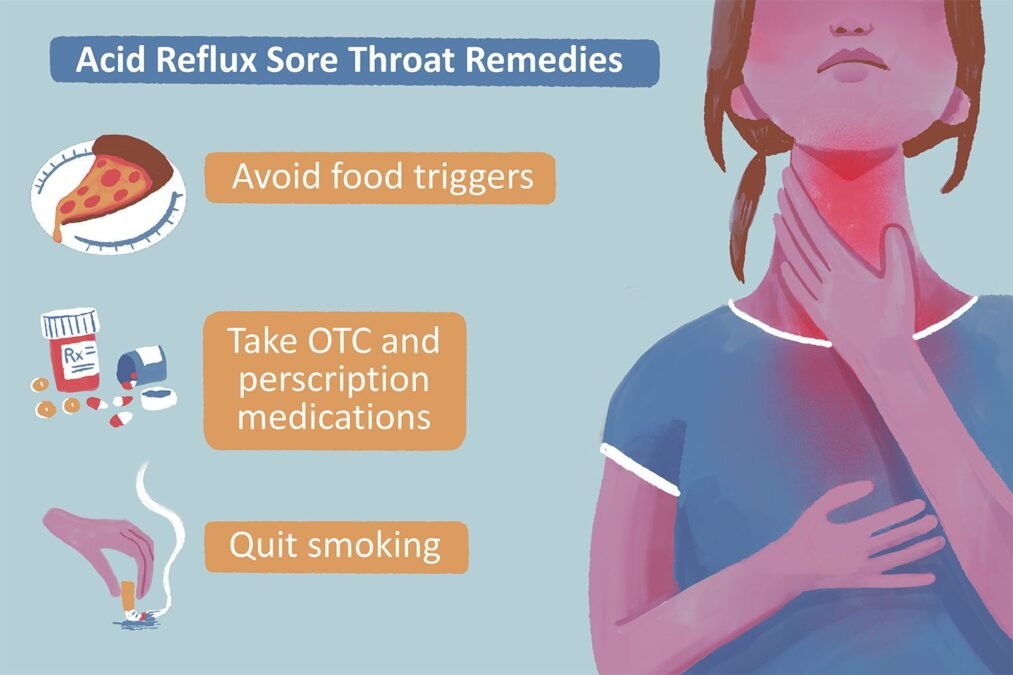
Certain foods are known to trigger acid reflux by increasing stomach acid production or relaxing the esophageal valve. These include fried and fatty foods, spicy meals, chocolate, caffeine, carbonated drinks, and citrus fruits. Avoiding these triggers plays a major role in following effective acid reflux relief tips and preventing unnecessary flare-ups throughout the day.
Other common triggers include tomatoes, onions, garlic, mint, and alcohol. These foods may not affect everyone equally, but they are often linked to worsening symptoms. By reducing or eliminating these items from the diet, individuals can significantly improve their response to acid reflux relief tips and maintain better digestive stability over time.
What to Eat and Drink
Choosing the right foods can greatly reduce acid reflux symptoms and improve digestion. Gentle foods such as oatmeal, bananas, rice, yogurt, and leafy greens are easier on the stomach and help reduce irritation. Including these in daily meals supports natural acid reflux relief tips and promotes a healthier digestive system over time.
Hydration also plays an important role in managing reflux. Water, ginger tea, and herbal teas are considered safe and soothing options that help neutralize acid levels. When combined with proper eating habits, these choices strengthen the effectiveness of acid reflux relief tips, making symptom control more consistent and sustainable.
Fast Natural Acid Reflux Relief Tips
Immediate relief during an acid reflux episode often begins with simple body positioning. Sitting upright helps prevent acid from moving upward, while loosening tight clothing reduces pressure on the stomach. These basic actions are some of the most effective acid reflux relief tips for quickly easing discomfort without medication.
Other fast solutions include sipping small amounts of water, chewing sugar-free gum to increase saliva production, and taking a gentle walk after meals. These actions help neutralize acid and improve digestion naturally. Applying consistent acid reflux relief tips during flare-ups can significantly reduce the intensity and duration of symptoms.
Long-term improvement requires lifestyle adjustments such as eating smaller meals, avoiding late-night eating, and maintaining a healthy weight. These habits support digestive balance and enhance the effectiveness of acid reflux relief tips over time. With consistent practice, individuals can experience fewer episodes and improved daily comfort.
Treatment Options
Acid reflux treatment can involve both medical and natural approaches depending on severity. Over-the-counter antacids, acid reflux tablets, and prescription medications help reduce stomach acid production. However, these treatments are most effective when combined with acid reflux relief tips that address lifestyle and dietary habits for long-term improvement.
Natural remedies such as ginger, aloe vera juice, and dietary modifications can also provide relief. Stress management techniques like breathing exercises may further support digestive health. A balanced approach that includes both medical care and acid reflux relief tips ensures better symptom control and reduces the chances of recurrence.
Prevention and Daily Habits
Preventing acid reflux requires consistent daily habits that support healthy digestion. Avoiding large meals, eating slowly, and not lying down immediately after eating are simple yet powerful strategies. These preventive measures are essential acid reflux relief tips that help minimize flare-ups and improve overall digestive comfort.
Maintaining a healthy weight, managing stress, and identifying personal food triggers also play a major role in prevention. Sleeping with the head elevated can further reduce nighttime symptoms. When combined with regular acid reflux relief tips, these habits create a strong foundation for long-term digestive health.
Conclusion
Acid reflux is a manageable condition when approached with the right knowledge and consistent lifestyle changes. By understanding its causes, symptoms, and triggers, individuals can take proactive steps toward better digestive health. Following effective acid reflux relief tips helps reduce discomfort, prevent frequent episodes, and improve overall quality of life naturally.
Ultimately, long-term relief comes from a combination of mindful eating, healthy habits, and awareness of personal triggers. When practiced consistently, acid reflux relief tips can significantly transform daily comfort and help individuals maintain a balanced and healthier digestive system over time.
You may also read: Diet Strategies for Managing IBS Naturally