Heart disease remains one of the leading causes of death worldwide, and for many patients, surgery is not a choice, it is a necessity. Yet in the UK, private cardiac surgery carries a significant financial burden, and NHS waiting lists for non-emergency procedures can stretch for months. It is no surprise, then, that a growing number of British patients are exploring medical treatment options in Turkey as a credible and cost-effective alternative.
But is cardiac surgery in Turkey genuinely safe? And how do you separate world-class hospitals from less reputable facilities? This guide answers both questions clearly.
Why Patients Are Choosing Turkey for Heart Surgery
Turkey has become one of Europe’s most respected destinations for cardiovascular care. The reasons are straightforward: highly trained surgeons, internationally accredited hospitals, modern technology — and costs that are typically 50 to 70% lower than equivalent private treatment in the UK or the United States.
According to recent market data, the cardiovascular treatment segment is expected to account for 33% of Turkey’s medical tourism revenue in 2026, making it the single largest category. This is not accidental. Turkey has made sustained investments in cardiac infrastructure over the past decade, with major hospital groups building dedicated heart surgery centres, adopting robotic-assisted techniques, and recruiting surgeons trained at leading institutions across Europe and North America.
For British patients facing a coronary artery bypass graft (CABG), valve replacement, or angioplasty, the cost difference is striking. A heart bypass that costs between £30,000 and £50,000 in a UK private hospital typically ranges from $10,000 to $25,000 in Turkey — without any compromise in clinical quality at accredited facilities.
What Types of Cardiac Procedures Are Available?
The range of cardiology in Turkey covers virtually every procedure available in Western Europe:
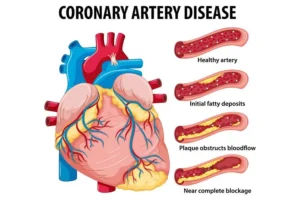
- Coronary Artery Bypass Grafting (CABG): the most common open-heart procedure, rerouting blood flow around blocked arteries
- Heart valve repair and replacement: including minimally invasive approaches and catheter-based TAVI (Transcatheter Aortic Valve Implantation)
- Angioplasty and stenting (PCI): a less invasive option for single-vessel coronary disease
- Aortic aneurysm repair: open and endovascular approaches
- Cardiac ablation: for arrhythmia and atrial fibrillation
- Congenital heart defect correction: available at specialist centres in Istanbul and Ankara
- Cardiac diagnostics: including 3D cardiac MRI, echocardiography, stress tests, and coronary angiography
Many leading Turkish hospitals now use the da Vinci robotic surgery system for complex valve procedures, allowing for smaller incisions, reduced blood loss, and faster recovery times.
Is Heart Surgery in Turkey Safe?
This is the most important question, and the answer requires nuance.
At accredited facilities, yes. Turkey holds more Joint Commission International (JCI) accreditations than almost any other country globally. JCI is the gold standard of international healthcare quality, and a JCI-accredited hospital is audited against the same safety and patient care benchmarks as leading hospitals in the US, UK, or Germany.
Open heart surgeries at top JCI-accredited centres in Istanbul and Ankara report success rates of 95% to 98.5% for elective procedures, figures that match international benchmarks set by the Cleveland Clinic. Cardiac surgical teams at major institutions such as Anadolu Medical Center (which holds a Johns Hopkins affiliation), Memorial Hospital Group, and Istanbul Florence Nightingale Hospital perform over 900 cardiac surgeries annually, giving their teams the case volume that directly correlates with better outcomes.
The risks arise at non-accredited facilities. It is important to acknowledge that not all clinics in Turkey operate at the same standard. Choosing a facility without proper certification, without a dedicated cardiac intensive care unit, or without transparent outcome data is a different matter entirely. This is precisely why accreditation and due diligence are non-negotiable for a procedure as serious as heart surgery.
How to Choose the Right Cardiac Clinic in Turkey
1. Verify JCI or International Accreditation
The first step is always to check whether the hospital holds current JCI accreditation. You can verify this directly on the JCI official website (jointcommissioninternational.org) by searching the hospital name and location. Do not rely solely on the clinic’s own marketing materials. Accreditation must be active and dated, ask for written confirmation.
2. Ask About Annual Surgical Volume
Outcomes in cardiac surgery are directly linked to how many procedures a team performs each year. Ask specifically how many CABGs, valve replacements, or the procedure you need are performed annually by the surgical team treating you. High-volume centres in Istanbul typically perform 900 or more cardiac procedures per year, a meaningful indicator of expertise.
3. Confirm the Multidisciplinary Heart Team Model
Cardiac care is not a single surgeon’s job. The best hospitals operate a “heart team” model where cardiologists, cardiovascular surgeons, anaesthesiologists, perfusionists, and intensive care specialists review each case together before surgery and agree on a treatment plan. Ask whether your case will be reviewed this way.
4. Assess the Intensive Care Capability
Heart surgery requires access to a dedicated cardiac ICU, emergency imaging, a blood bank, and around-the-clock specialist cover. Ask the clinic explicitly what their ICU capacity is, and whether all of this is on the same site as the operating theatre. Satellite clinics or outpatient centres may not have these facilities.
5. Request a Full Written Quote
Turkish hospitals typically offer all-inclusive packages, but the details matter. Always request an itemised written quote that specifies what is included: surgeon fees, anaesthesia, pre-operative diagnostics (ECG, echocardiogram, blood tests), hospital nights, post-operative monitoring, and the cost of any implants such as heart valves or pacemakers. Implants can significantly change the total cost and are sometimes billed separately.
6. Plan for Post-Operative Recovery and Follow-Up
Open heart surgery in Turkey typically requires a hospital stay of 10 to 14 days, followed by a total in-country recovery period of 14 to 21 days before a surgeon grants medical clearance to fly. Plan accordingly. Equally important is ensuring your UK GP or cardiologist can access your full medical documentation when you return, reputable hospitals will provide complete records in English.
7. Use a Trusted Medical Platform
Navigating the Turkish healthcare landscape as an international patient is genuinely complex. Using a specialised medical tourism platform that pre-vets clinics, verifies credentials, and provides a patient coordinator throughout the process significantly reduces risk. Platforms such as Turquie Santé give patients access to a curated network of accredited hospitals and English-speaking medical coordinators who support the full journey — from initial consultation and hospital selection through to post-operative follow-up.
A Note on Realistic Expectations
Heart surgery is a serious medical procedure, regardless of where it takes place. Travelling abroad for cardiac treatment is a decision that should involve your UK GP or cardiologist, not replace them. Share all proposed plans with your existing medical team, obtain your full cardiac records before travelling, and ensure your travel insurance explicitly covers surgical treatment and medical repatriation.
The goal of exploring treatment abroad is not simply to save money, it is to access high-quality cardiac care that is genuinely comparable to, and in some cases more technologically advanced than, what is available in the UK private sector. At the right hospital, that is entirely achievable.
Final Thoughts
Turkey has built a legitimate, internationally recognised cardiac surgery sector. Backed by JCI-accredited hospitals, robotic surgical technology, and multidisciplinary specialist teams, the country offers UK patients a genuine alternative to expensive private care or lengthy NHS waiting times.
The key is choosing the right facility, and doing the due diligence to make sure it meets international safety standards. For patients who take the time to verify accreditation, ask the right questions, and plan their recovery properly, cardiac surgery in Turkey can be a safe, well-supported, and financially sensible decision.