Coronary artery disease symptoms are among the most important warning signs of heart health problems that should never be ignored. This condition develops gradually and often silently, which makes early awareness extremely important for preventing serious complications like heart attacks or long-term heart damage. Many people confuse early symptoms with stress, fatigue, or digestion issues, which delays proper diagnosis and treatment.
Understanding coronary artery disease symptoms can significantly improve outcomes because early detection allows lifestyle changes and medical intervention before the condition worsens. In modern healthcare, awareness is considered one of the strongest tools in reducing cardiovascular deaths. By recognizing even mild warning signs, individuals can take proactive steps to protect their heart health and overall well-being.
What Is Coronary Artery Disease?
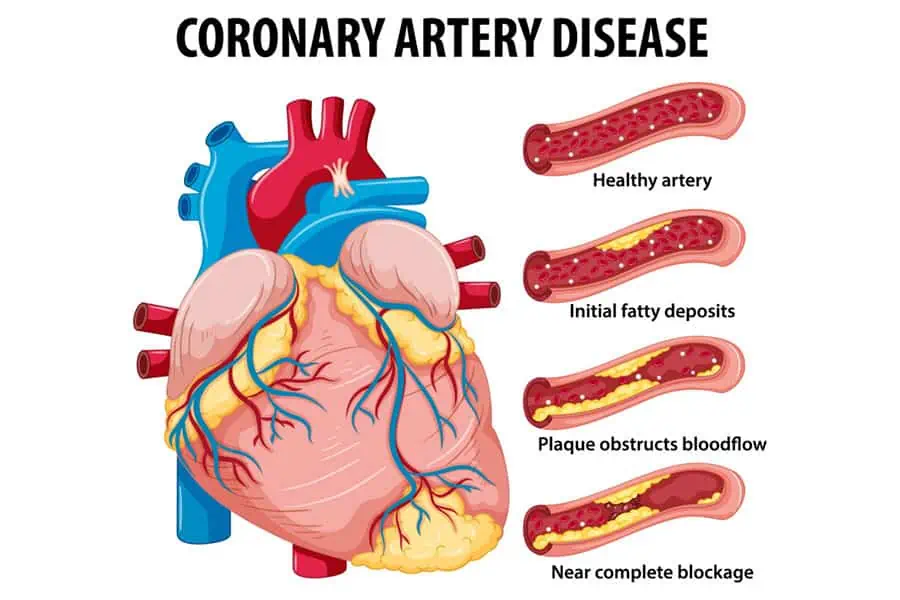
Coronary artery disease is a condition where the arteries supplying blood to the heart become narrowed due to plaque buildup. This process, known as atherosclerosis, reduces oxygen-rich blood flow and gradually weakens heart function. Over time, this restriction can lead to chest pain, fatigue, and other coronary artery disease symptoms that interfere with daily activities and physical performance.
The condition can develop over many years without noticeable signs, which makes it especially dangerous. In some cases, individuals only realize they have the disease after experiencing a serious event such as a heart attack. Understanding how coronary artery disease develops helps explain why early detection of coronary artery disease symptoms is essential for preventing life-threatening complications.
Early and Common Coronary Artery Disease Symptoms
Early coronary artery disease symptoms are often subtle and easily overlooked. Many people experience mild chest discomfort, reduced stamina, or unusual tiredness during physical activity. These signs may appear occasionally at first but tend to become more frequent as the condition progresses. Because they are not always severe, individuals often mistake them for normal aging or stress-related issues.
As the disease advances, coronary artery disease symptoms become more noticeable and disruptive. Common signs include chest pain or pressure (angina), shortness of breath, and discomfort spreading to the arms, neck, or jaw. These symptoms usually appear during exertion or emotional stress when the heart requires more oxygen than the narrowed arteries can supply.
Silent, Atypical, and Severe Warning Signs
Not all coronary artery disease symptoms are obvious or painful. Some individuals, especially women, older adults, and people with diabetes, may experience silent or atypical symptoms. These include fatigue, mild indigestion, dizziness, or a general feeling of weakness rather than classic chest pain. Because these signs are less recognizable, they often delay diagnosis and increase risk.
In severe cases, coronary artery disease symptoms may signal a medical emergency. Persistent chest pressure, difficulty breathing, cold sweating, or sudden nausea can indicate an approaching heart attack. When symptoms last more than a few minutes or worsen rapidly, immediate medical attention is critical to prevent permanent heart damage or fatal outcomes.
Causes, Risk Factors, and Coronary Artery Anatomy
Coronary artery disease develops mainly due to plaque buildup inside the arteries, which is known as coronary artery atheroma. This buildup narrows blood vessels and reduces oxygen supply to the heart muscle. Over time, this can lead to coronary artery disease symptoms such as chest pain and fatigue, especially during physical exertion.
Several risk factors increase the likelihood of developing the condition. These include high cholesterol, high blood pressure, smoking, diabetes, obesity, and a sedentary lifestyle. In some cases, coronary artery calcification occurs, which indicates hardened plaque in the arteries. Understanding coronary artery anatomy, including the right and left coronary arteries, helps explain how restricted blood flow directly triggers coronary artery disease symptoms.
Diagnosis, Treatment, and Prevention
Diagnosing coronary artery disease symptoms involves a combination of physical examination, medical history, and diagnostic tests. Doctors may use ECGs, stress tests, CT scans, or angiography to evaluate blood flow and detect blockages. These tests help identify the severity of the disease and guide appropriate treatment decisions.
Treatment depends on the stage of the disease. Early cases may be managed with lifestyle changes and medications that control cholesterol, blood pressure, and blood flow. In more severe cases, procedures like angioplasty or coronary artery bypass graft surgery may be required. Preventing progression of coronary artery disease symptoms relies heavily on maintaining a healthy lifestyle, including regular exercise, balanced nutrition, and avoiding smoking.
Conclusion
Coronary artery disease symptoms should always be taken seriously, even when they appear mild or occasional. Early recognition of warning signs such as chest discomfort, fatigue, or shortness of breath can make a life-saving difference. Because the condition often develops silently, awareness and timely action are the most powerful tools in preventing complications.
By understanding the causes, symptoms, and treatment options, individuals can take control of their heart health and reduce long-term risks. Managing lifestyle factors and seeking medical advice at the first sign of coronary artery disease symptoms can significantly improve quality of life and prevent serious cardiovascular events.