Hormone therapy is a widely used medical treatment that plays a key role in managing conditions such as breast cancer, prostate cancer, menopause symptoms, and hormonal imbalance. While it can be highly effective in controlling disease progression and improving quality of life, it is equally important to understand the potential hormone therapy side effects before starting treatment. These effects vary depending on the type of therapy, dosage, and individual response.
In clinical practice, patients may experience both short-term and long-term changes in their physical and emotional health. The severity of hormone therapy side effects often depends on whether the treatment is used for cancer suppression or hormone replacement. Having clear knowledge of what to expect helps patients and caregivers make informed decisions and better manage expectations throughout the treatment journey.
What Is Hormone Therapy
Hormone therapy is a medical approach that works by altering or blocking natural hormones in the body. It is commonly used to slow or stop the growth of hormone-sensitive cancers and to manage symptoms caused by hormonal imbalance. Because hormones regulate many body functions, changing their levels can lead to noticeable hormone therapy side effects in different systems of the body.
There are several forms of hormone therapy, including treatments for women experiencing menopause, men undergoing prostate cancer therapy, and patients receiving hormone suppression for breast cancer. Some treatments use synthetic hormones, while others use bioidentical versions. Regardless of the type, all forms can produce hormone therapy side effects, which may vary in intensity and duration depending on the individual’s health condition.
Why Hormone Therapy Is Used
Hormone therapy is primarily used to slow the growth of hormone-sensitive cancers such as breast and prostate cancer. In breast cancer treatment, it reduces estrogen levels, while in prostate cancer, it lowers testosterone levels. These hormonal changes are essential for treatment success but also contribute to various hormone therapy side effects that patients must manage.
Beyond cancer treatment, hormone therapy is also used for menopause symptom relief and hormone imbalance correction. It can help reduce hot flashes, improve bone health, and stabilize mood in some patients. However, even when used for symptom relief, hormone therapy side effects such as weight gain, fatigue, or mood changes may still occur and should be closely monitored by healthcare professionals.
Hormone Therapy Side Effects Overview
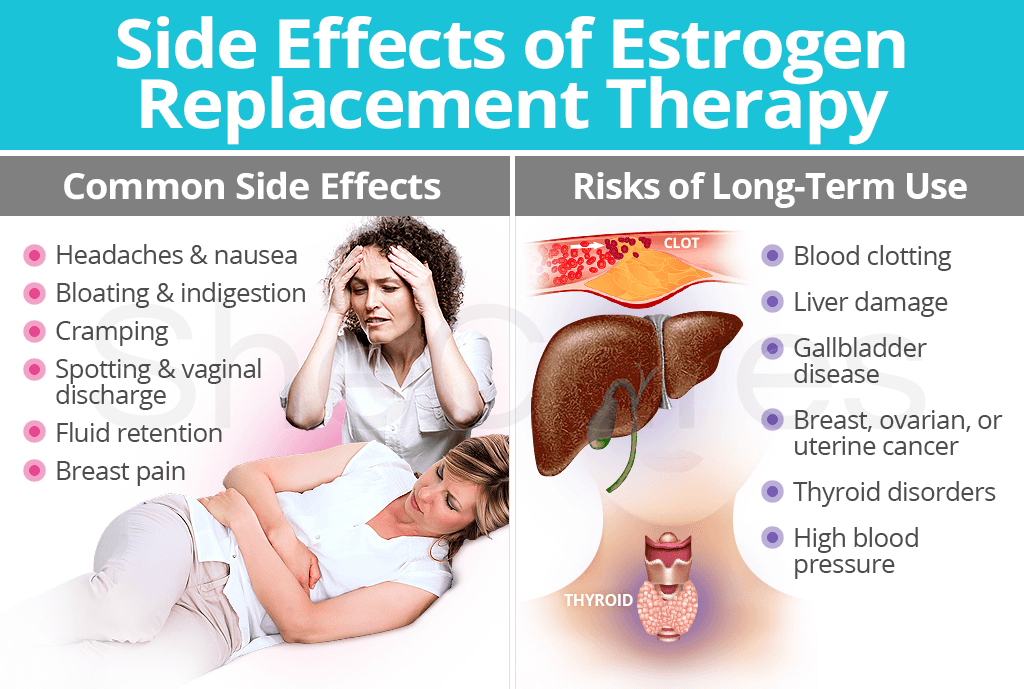
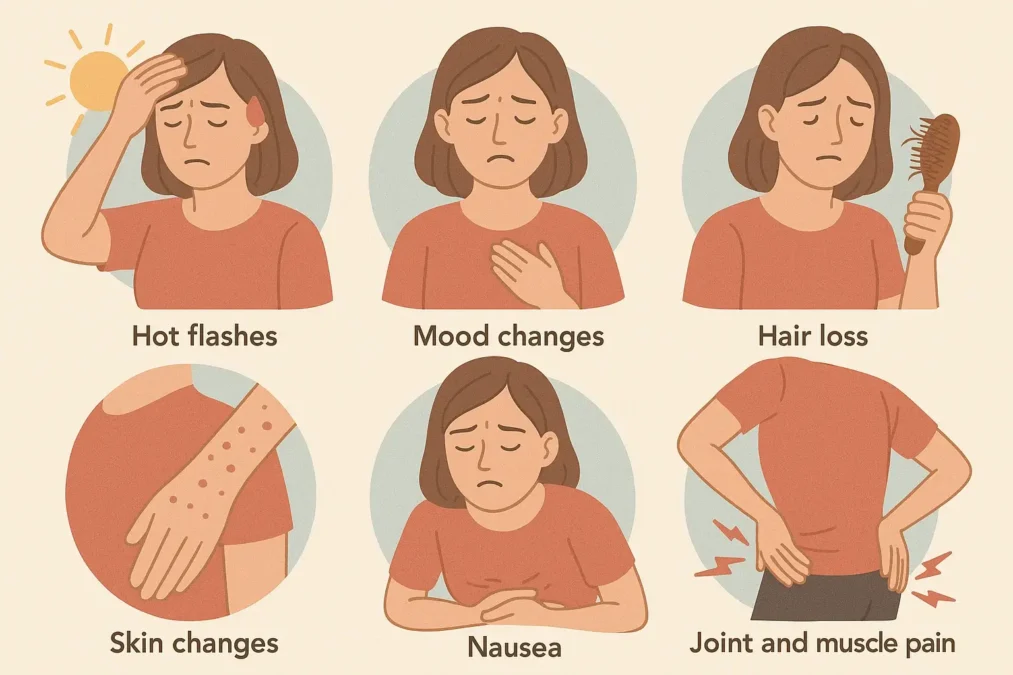
The most commonly reported hormone therapy side effects include fatigue, hot flashes, weight gain, and emotional changes. These occur because hormone levels are significantly altered, which affects metabolism, energy production, and brain chemistry. Some patients also report difficulty concentrating or experiencing memory lapses during treatment, which can affect daily functioning.
In addition to physical symptoms, hormone therapy can also impact sexual health. Reduced libido, vaginal dryness in women, and erectile dysfunction in men are frequently reported. Long-term hormone therapy side effects may include bone density loss and muscle weakness, making it essential for patients to undergo regular monitoring and supportive care throughout treatment.
Hormone Therapy for Breast Cancer Side Effects
Hormone therapy for breast cancer works by reducing or blocking estrogen, which can fuel the growth of cancer cells. While this approach is highly effective, it often leads to noticeable hormone therapy side effects, including joint pain, hot flashes, and vaginal dryness. These symptoms can significantly impact a patient’s daily comfort and emotional well-being.
Over time, some patients may also experience bone thinning, fatigue, and changes in mood. These long-term hormone therapy side effects require careful management through lifestyle adjustments, exercise, and medical support. Despite these challenges, the benefits of controlling cancer progression often outweigh the discomfort of side effects for many patients.
Hormone Therapy for Prostate Cancer Side Effects
In prostate cancer treatment, hormone therapy reduces testosterone levels to slow the growth of cancer cells. This process, known as androgen deprivation therapy, is effective but often leads to significant hormone therapy side effects such as fatigue, muscle loss, and hot flashes. Many patients also experience reduced sexual function and emotional changes.
Long-term use may result in bone thinning, weight gain, and decreased physical strength. These hormone therapy side effects can affect both physical health and mental well-being. Regular monitoring, exercise, and supportive care are essential in helping patients maintain quality of life during and after treatment.
Risks and Long-Term Complications
Long-term hormone therapy side effects can include serious health risks such as cardiovascular problems, including increased chances of blood clots or stroke. These risks vary depending on the type of therapy and the patient’s overall health condition. Careful medical supervision is essential to reduce complications.
Another important concern is bone density loss, which may lead to osteoporosis over time. Metabolic changes such as weight gain and insulin resistance may also develop. Understanding these long-term hormone therapy side effects helps patients and doctors make safer treatment decisions and plan appropriate preventive care strategies.
Managing Hormone Therapy Side Effects
Managing hormone therapy side effects often requires a combination of lifestyle changes and medical intervention. Regular physical activity, a balanced diet, and adequate sleep can significantly reduce fatigue, weight gain, and mood fluctuations. Patients are encouraged to maintain consistent communication with healthcare providers throughout treatment.
Doctors may prescribe medications to manage specific symptoms such as hot flashes or bone loss. Emotional support, counseling, and stress management techniques can also help patients cope with psychological hormone therapy side effects. A proactive approach often leads to improved comfort and better treatment adherence.
Bioidentical Hormone Therapy vs Traditional Therapy
Bioidentical hormone therapy uses plant-derived hormones designed to closely match the body’s natural hormones. Some patients prefer this option believing it may cause fewer hormone therapy side effects, although scientific evidence varies. Like traditional hormone therapy, it still carries potential risks depending on dosage and medical supervision.
Traditional hormone therapy is more widely studied and regulated in clinical settings. It is commonly used in cancer and menopause treatments. Both options can produce hormone therapy side effects, so the choice between them should always be guided by a healthcare professional based on individual needs and medical history.
Conclusion
Hormone therapy is a powerful medical treatment that offers significant benefits for conditions such as cancer and hormonal imbalance. However, understanding hormone therapy side effects is essential for making informed treatment decisions. These effects can range from mild discomfort to more serious long-term health changes depending on the type of therapy used.
With proper medical guidance, regular monitoring, and healthy lifestyle adjustments, many hormone therapy side effects can be managed effectively. Patients are encouraged to stay informed and maintain close communication with their healthcare providers to ensure safe and effective treatment outcomes tailored to their individual needs.
You may also read: Natural Hormone Replacement and Holistic Support