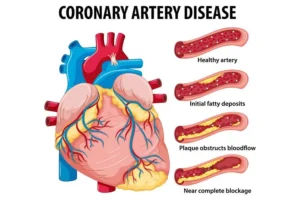
Heart disease refers to a group of conditions that affect the structure and function of the heart, including coronary heart disease, ischemic heart disease, and valvular disorders. These conditions usually develop gradually over time due to lifestyle habits, genetics, and environmental influences. If left unmanaged, they can reduce blood flow to the heart and lead to severe complications such as heart attacks or chronic cardiovascular issues.
The encouraging reality is that most heart-related conditions can be significantly delayed or reduced through lifestyle changes. When people focus on efforts to prevent heart disease naturally, they shift toward long-term habits that strengthen heart function. This includes improving diet, staying physically active, managing stress, and avoiding harmful habits like smoking, all of which work together to protect cardiovascular health.
Causes and Risk Factors of Heart Disease
Heart disease develops due to a combination of modifiable and non-modifiable risk factors. High blood pressure, high cholesterol, obesity, smoking, and a sedentary lifestyle are among the most common causes. Over time, these factors damage blood vessels, restrict circulation, and increase strain on the heart, eventually leading to conditions such as coronary heart disease or ischemic heart disease.
Other contributing factors include diabetes, chronic stress, poor sleep, and genetic predisposition. While family history cannot be changed, most lifestyle risks can be controlled. Understanding these causes is essential for anyone trying to prevent heart disease naturally, as awareness allows individuals to make smarter daily choices that protect long-term cardiovascular health.
Early Signs and Symptoms of Heart Disease
Early detection of heart disease is critical because symptoms often develop slowly and may be overlooked. Common warning signs include chest discomfort, shortness of breath, fatigue, dizziness, and irregular heartbeat. These symptoms may indicate reduced blood flow or early stages of coronary or ischemic heart disease.
Women may experience different or less obvious symptoms compared to men, such as nausea, back pain, or unusual tiredness. Recognizing these early signals is a key step in efforts to prevent heart disease naturally, as early lifestyle intervention can significantly reduce progression and improve long-term outcomes.
Heart-Healthy Lifestyle and Natural Prevention Methods
Building a heart-healthy lifestyle is one of the most effective ways to reduce cardiovascular risk. This includes maintaining a balanced routine that combines physical activity, healthy eating, proper rest, and stress management. Small daily habits, when followed consistently, create a strong foundation for heart protection and overall well-being.
People who aim to prevent heart disease naturally benefit most from long-term consistency rather than short-term changes. Walking daily, avoiding processed foods, staying hydrated, and reducing alcohol or tobacco use all contribute to improved heart function and reduced strain on the cardiovascular system.
Nutrition and Diet for Heart Protection
Diet plays a central role in heart health. A balanced eating plan rich in fruits, vegetables, whole grains, lean proteins, and healthy fats helps regulate cholesterol levels and improve blood circulation. Foods like salmon, nuts, olive oil, oats, and leafy greens are especially beneficial for heart protection.
At the same time, reducing intake of sugar, salt, and processed foods is essential. These unhealthy ingredients contribute to inflammation, high blood pressure, and plaque buildup in arteries. Following a structured eating plan is one of the most effective ways to prevent heart disease naturally, as nutrition directly influences how efficiently the heart functions over time.
Exercise, Stress, and Sleep for Heart Health
Regular physical activity strengthens the heart muscle, improves blood flow, and helps maintain a healthy weight. Activities such as brisk walking, swimming, cycling, and light strength training are highly effective in reducing cardiovascular risk. Even moderate exercise performed consistently can significantly lower the chances of developing heart disease.
Stress management and sleep quality are equally important. Chronic stress increases blood pressure and hormone imbalance, while poor sleep contributes to inflammation and fatigue. Together, these factors weaken heart health. Managing both effectively supports efforts to prevent heart disease naturally, ensuring the body remains balanced and resilient.
Medical Monitoring and Long-Term Heart Health Strategy
While natural prevention is powerful, regular medical check-ups are essential for early detection and monitoring. Blood pressure, cholesterol levels, and blood sugar should be checked routinely to identify risks before they become serious. Early diagnosis allows for timely intervention and better long-term outcomes.
Long-term heart health requires consistency in healthy habits combined with awareness of personal risk factors. Individuals who focus on lifestyle management and regular monitoring are far more likely to successfully prevent heart disease naturally and maintain strong cardiovascular health throughout their lives.
Conclusion
Heart disease remains one of the leading global health challenges, but it is also one of the most preventable. By adopting healthier lifestyle habits, individuals can significantly reduce their risk and improve heart performance. Simple daily choices such as eating better, staying active, and managing stress play a powerful role in long-term protection.
Choosing to prevent heart disease naturally is a lifelong commitment rather than a short-term goal. With consistent effort, awareness, and balanced living, anyone can strengthen their heart, reduce health risks, and enjoy a more active and healthier life.
You may also read: Healthy Lifestyle Habits for a Strong Heart