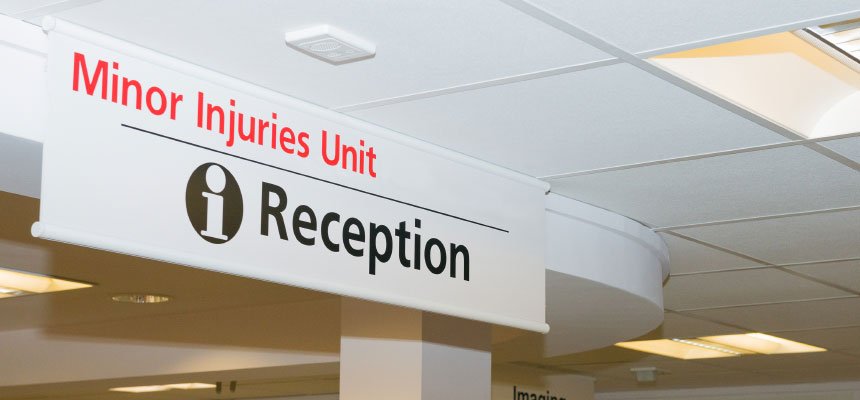
If you are searching for a minor injuries unit near me right now, the fastest route is the NHS service search or NHS 111: both will point you to the nearest unit that is open, tell you whether you can simply walk in, and save you a wasted journey to a department that has already closed for the day. A minor injuries unit, usually called an MIU, is an NHS walk-in service staffed by specially trained nurses and other clinicians who assess and treat minor injuries such as sprains, minor fractures and small cuts, and treatment is free at the point of use.
This guide explains, as of October 2026, exactly what a minor injuries unit can and cannot do, how it differs from accident and emergency and from your GP surgery, and the quickest ways to find one near you in the United Kingdom. Services do vary from area to area, so opening hours, age limits and the range of treatments on offer are not identical everywhere, and that is precisely why checking before you travel matters more than simply turning up and hoping for the best.
What Is a Minor Injuries Unit?
A minor injuries unit is a smaller NHS department, often based in a community hospital, that specialises in injuries which are painful and worrying but not life threatening. It is led by emergency nurse practitioners and other clinicians with extra training in assessing injuries, and most units can take X-rays, clean and dress wounds, apply splints and plaster casts, and stitch or glue cuts closed. Unlike a GP surgery, an MIU is built around same-day, walk-in care, and unlike a hospital emergency department, it does not deal with major trauma, serious illness or patients who need resuscitation.
Minor injuries units were developed to take pressure off busy accident and emergency departments by giving people with smaller injuries a faster, closer alternative to a large hospital. In some parts of the country you may see the same service described as an urgent treatment centre instead, and the two names are sometimes used interchangeably, although urgent treatment centres can also treat some minor illnesses. If you are unsure which service your local unit offers, the listing on the NHS website or NHS 111 will tell you before you set off.
Minor Injuries Unit vs A&E vs GP: Where Should You Go?
Choosing the right service comes down to one question: how serious and how urgent is the problem? Accident and emergency, also called A&E or the emergency department, is for life-threatening emergencies and major trauma, such as chest pain, severe breathing difficulty, a suspected stroke, heavy bleeding or a serious head injury. A minor injuries unit sits in the middle, dealing with injuries that need prompt attention on the same day but are not emergencies, while your GP surgery is the right place for ongoing problems, repeat prescriptions and illnesses that are not urgent.
Going to the wrong place costs you time, and it can cost other people time too. If you take a sprained ankle to A&E, you may wait behind patients with far more serious conditions, while a GP surgery generally cannot X-ray a suspected fracture or stitch a deep cut. A minor injuries unit bridges that gap, because it has the equipment and skills for injuries, but it is not equipped for resuscitation or for admitting very unwell patients, so anyone whose condition turns out to be more serious will be transferred to a full emergency department.
What Do Minor Injuries Units Treat?
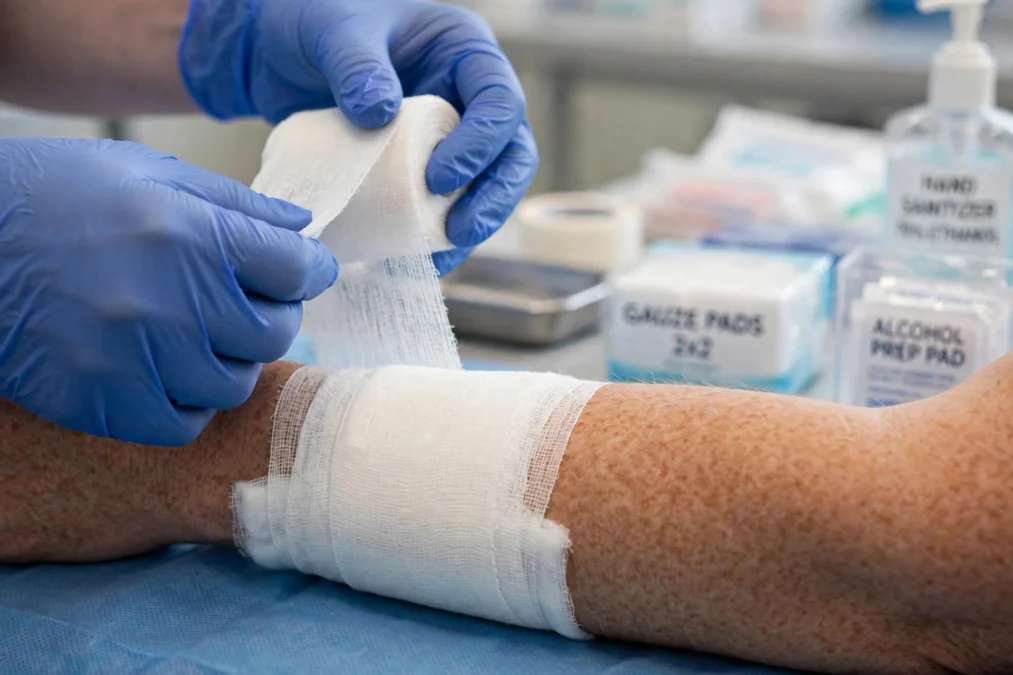
A minor injuries unit typically treats sprains and strains, minor broken bones such as fingers, toes and wrists, cuts and grazes that may need cleaning, stitching or gluing, minor burns and scalds, minor head injuries where the person is alert and well, insect and animal bites, minor eye injuries, and minor injuries to the back, shoulder or neck. The key point is that the injury is limited and the patient is otherwise stable, which is why a nurse practitioner can assess, treat and discharge most people in a single visit, sometimes with a follow-up appointment at a fracture clinic or with their own GP.
There are limits, and knowing them protects you. A minor injuries unit will not treat chest pain, difficulty breathing, a suspected stroke, heavy or uncontrolled bleeding, a serious head injury, a major broken bone such as a thigh bone, an injury from a road traffic collision with multiple injuries, or a child who is very unwell. Some units also set age limits, for example treating only adults or only children over a certain age, and some do not see babies and toddlers at all. When any of these apply, call 999 or go straight to A&E rather than risking a delay at the wrong service.
How to Find a Minor Injuries Unit Near You
The most reliable way to find a minor injuries unit near me is to use the NHS service search, which lets you enter your postcode and shows the nearest urgent and emergency care services, including their addresses and opening times. You can also call NHS 111 or use NHS 111 online, where a trained adviser or clinician will assess your symptoms and, if a minor injuries unit is the right place, direct you to the nearest suitable one. The NHS urgent and emergency care pages explain the difference between urgent treatment centres, NHS 111 and A&E, and they are a good first check if you are unsure which service fits your situation: NHS urgent and emergency care services.
Before you travel, always check the opening times and whether the unit is walk-in or asks you to call ahead, because many minor injuries units are not open twenty-four hours a day and some now operate a bookable system through NHS 111. It is also worth checking whether your nearest unit treats children, if you are taking a child, and whether it has X-ray facilities on site, since a small number of units cannot X-ray and may send you elsewhere. A two-minute check on the NHS listing can save you a long and painful journey to a closed door, which is the last thing you need when you are already hurt.
What to Expect When You Arrive
When you arrive at a minor injuries unit, you will first be triaged, which means a nurse will ask what happened, how long ago it happened, and how much pain you are in, so that the most urgent cases are seen first. You will then be assessed properly, which may include an examination, an X-ray if a fracture is suspected, and a check of your movement, circulation and sensation around the injury. Treatment might involve cleaning and dressing a wound, closing a cut with stitches or skin glue, fitting a splint, sling or partial plaster cast, or giving advice on pain relief, elevation and ice for a sprain.
Most people are treated and discharged in the same visit, often with written aftercare advice and a plan for what to do if things get worse. Some patients are referred onward, for example to a fracture clinic for a follow-up X-ray, to their GP for ongoing care, or to physiotherapy for rehabilitation after a sprain. Bringing identification and your NHS number can speed up registration, although emergency treatment is never refused because you do not have them, and a list of your medicines and allergies helps the clinician treat you safely. If you searched for a minor injuries unit near me on your phone on the way here, save that listing for next time, because knowing your nearest unit before you need it is genuinely useful.
When You Should NOT Use an MIU
Do not use a minor injuries unit for anything that could be life threatening, and do not drive yourself if you are seriously unwell. Call 999 immediately for chest pain or pressure, severe difficulty breathing, signs of a stroke such as face drooping, arm weakness or speech difficulty, heavy bleeding that will not stop, a serious head injury, a major trauma such as a fall from height, a suspected overdose, or a severe allergic reaction with swelling of the lips or tongue. In these situations, every minute matters, and an ambulance crew can start treatment on the way to a full emergency department.
A minor injuries unit is also the wrong place for problems that are not injuries at all, such as a fever, a rash, a urinary infection or a long-standing ache that has gradually worsened over weeks. Those are better handled by your GP surgery, a pharmacist, or an urgent treatment centre that also treats minor illnesses, and NHS 111 can point you to the right one. If you are experiencing a mental health crisis, call NHS 111 and choose the mental health option, or contact your local crisis service, because a minor injuries unit is not set up to provide that kind of urgent support. If your problem is not an injury at all, searching for a minor injuries unit near me will not help, and NHS 111 is the better first call.
Conclusion
A minor injuries unit is the right middle option in the NHS: faster and closer than a hospital emergency department for sprains, minor fractures, cuts and burns, and far better equipped for injuries than a GP surgery. The single most useful habit is to check before you travel, using the NHS service search or NHS 111, so that you arrive at a unit that is open, treats your age group, and can deal with your injury. When you search for a minor injuries unit near me, that two-minute check is the difference between a quick visit and a wasted journey.
If you are ever in doubt about whether an injury is minor, call NHS 111 and describe what happened, because a trained adviser can make that judgement with you and send you to the right place. And if anything feels like an emergency, skip the search entirely and call 999, since no minor injury is worth risking a delay when the symptoms point to something serious. Keep this guide in mind, know your nearest unit before you need it, and you will be ready for the sprains, trips and small accidents that are simply part of everyday life.
Do I need an appointment for an MIU?
Most minor injuries units in the United Kingdom work on a walk-in basis, which means you do not need an appointment and can simply turn up during opening hours to be triaged and seen. That walk-in model is one of the main advantages of an MIU, because injuries rarely happen at convenient times and nobody wants to wait days for a GP appointment with a swollen ankle or a cut that needs closing. However, a growing number of units now ask patients to call NHS 111 first, which can book you a timed arrival slot and reduce your wait, so the safest approach is to check the listing for your nearest unit before you leave home.
If you turn up without calling ahead at a unit that prefers bookings, you will still be assessed, because urgent care services do not turn injured people away, but you may wait longer than patients who arrived with booked slots. Triage always comes first, so a more serious injury will be seen before a milder one regardless of arrival order, which is fair but can feel slow if you have been waiting a while. If you are unsure, a quick call to NHS 111 settles the question in minutes and gives you a recorded recommendation about where to go. If the listing you found when you searched for a minor injuries unit near me says to call NHS 111 first, doing so can secure you a timed arrival slot.
Are minor injuries units free on the NHS?
Yes, treatment at a minor injuries unit is free at the point of use for people who are ordinarily resident in the United Kingdom, because MIUs are part of NHS urgent care and are funded in the same way as GP visits and emergency department care. You will not be asked to pay for triage, an X-ray, stitches, a splint or a dressing, and you do not need insurance or a referral to be seen. That free access is deliberate, because charging for urgent injury care would discourage people from seeking help early, when treatment is simplest and cheapest.
There are a few related costs to be aware of, although none of them is a charge for the MIU visit itself. If you are given a prescription to take to a pharmacy, normal prescription rules apply, which means prescriptions are free in Scotland, Wales and Northern Ireland, while in England a standard charge applies unless you qualify for an exemption such as age, income or a medical exemption certificate. Visitors from outside the United Kingdom may be charged for some NHS treatment depending on their status, although immediately necessary treatment is never withheld because of payment, so nobody is left untreated in an emergency.
What should I bring to an MIU?
Bring anything that helps the clinician understand your injury and treat you safely, starting with identification and your NHS number if you have them, since both speed up registration and help staff find your records. A list of your current medicines, including over-the-counter tablets and supplements, matters because some medicines affect bleeding and healing, and telling staff about allergies, especially to dressings, latex or local anaesthetics, prevents avoidable complications. If you know how the injury happened and when, write it down or be ready to describe it clearly, because the mechanism of injury often guides the examination.
For a child, bringing their personal child health record, often called the red book, can help, and for any patient it is sensible to bring a phone charger, something to read, and a bottle of water, since waits can be unpredictable even at a quiet unit. If the injury involves a wound, do not remove a dressing that is controlling bleeding just to show it, and if a tooth has been knocked out, keep it in milk or inside the cheek if that is safe, because a dentist or clinician may be able to save it. Comfortable clothing that allows easy access to the injured area, such as shorts for a knee injury, also makes examination quicker and less awkward.
How long is the wait at an MIU?
Waiting times at a minor injuries unit vary a great deal, but they are usually shorter than waits in a hospital emergency department, because MIUs see a narrower range of problems and do not have to manage resuscitation cases or admissions. A straightforward sprain or small cut might be assessed, treated and discharged within an hour or two, while a suspected fracture that needs X-rays, a second opinion or a plaster cast will naturally take longer. Triage means that patients are seen in order of clinical priority rather than arrival time, so a more serious injury will always jump ahead of a milder one.
Waits tend to be longest in the evenings, at weekends, and after school sports or local events, when sprains and minor fractures cluster together, while weekday mornings are often quieter. Some NHS listings publish current waiting information, and calling NHS 111 before you travel can give you a realistic idea of where to go and how long you may wait. If your condition worsens while you are waiting, tell the triage nurse straight away rather than sitting quietly, because your priority can be reassessed and you may be moved to a full emergency department if that becomes necessary.